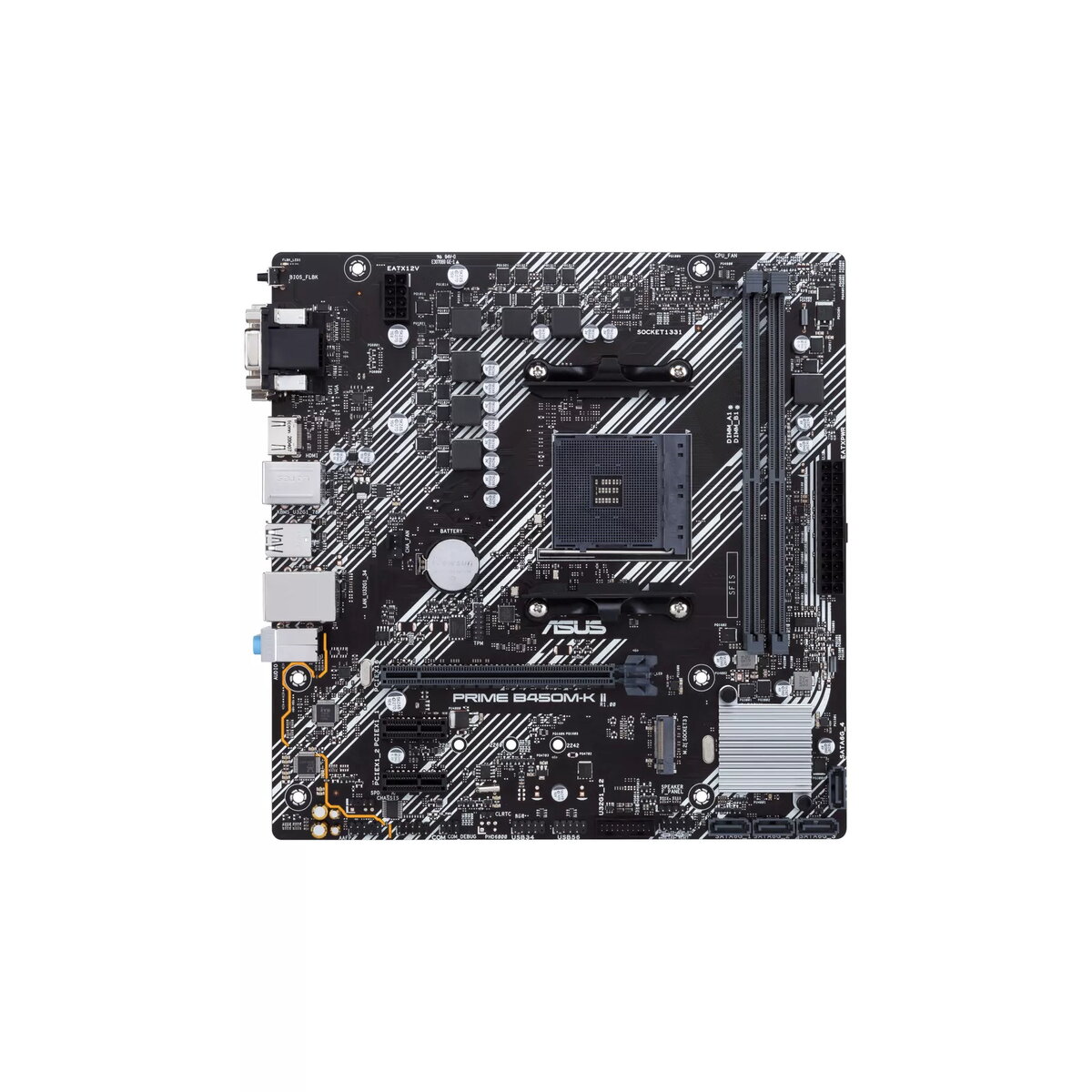
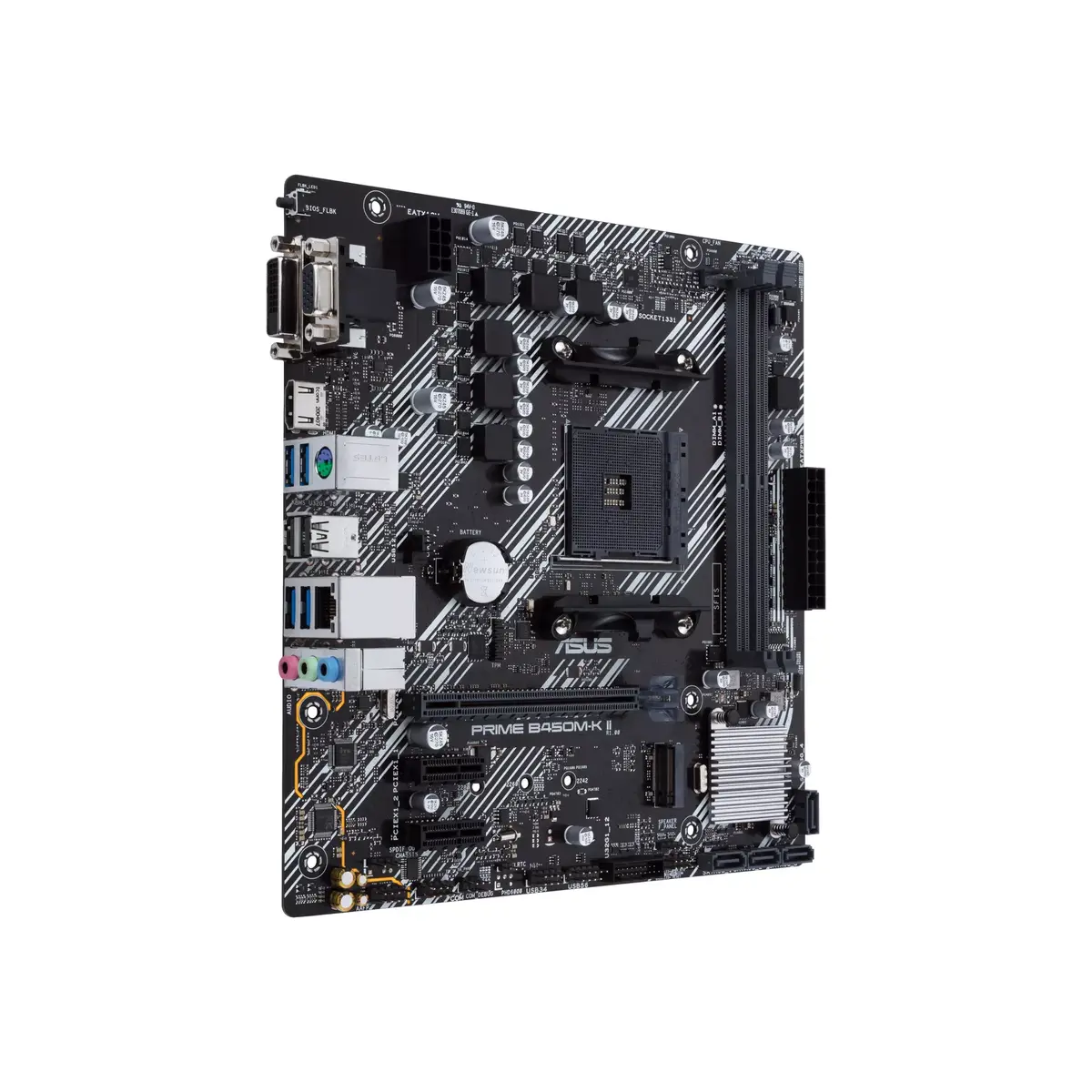
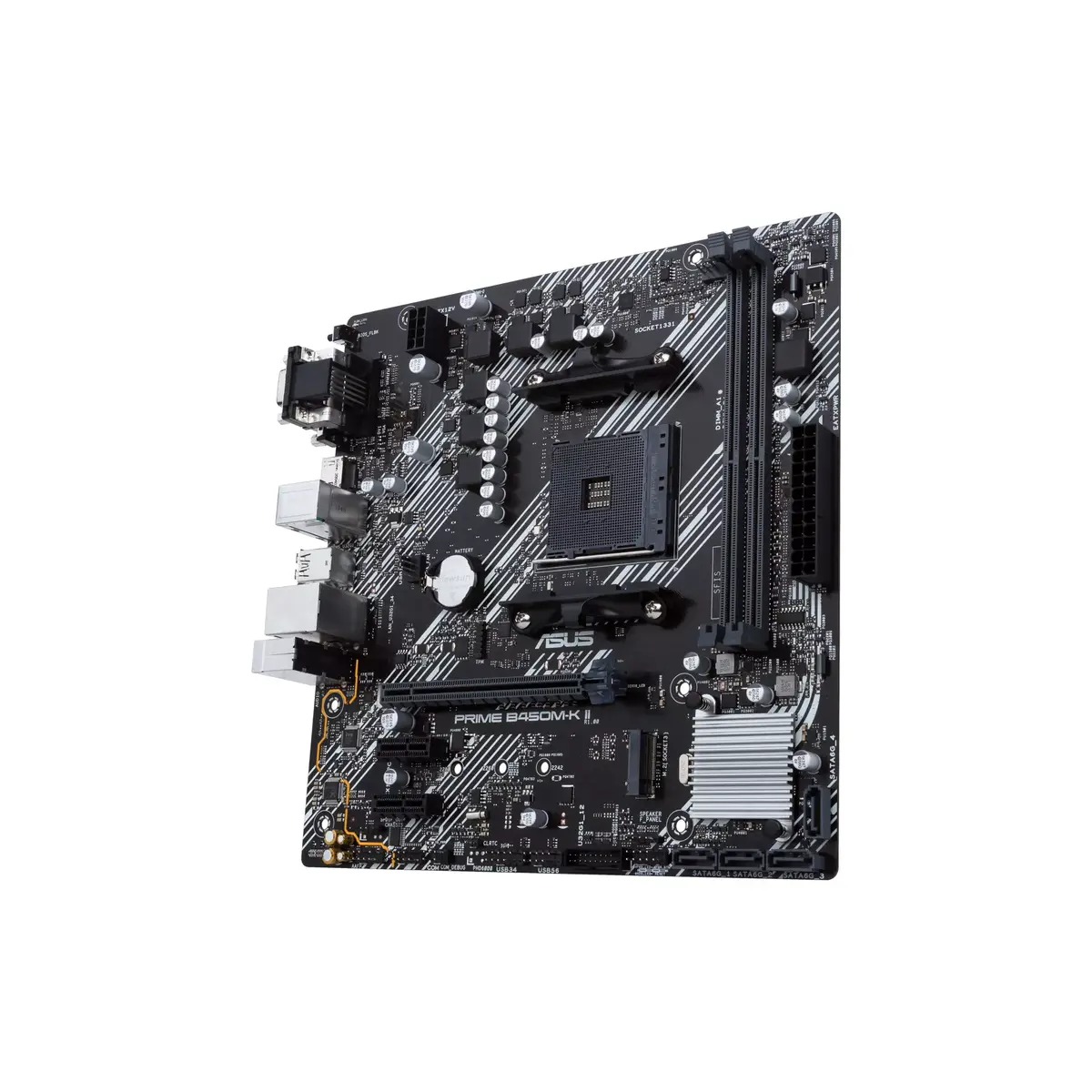
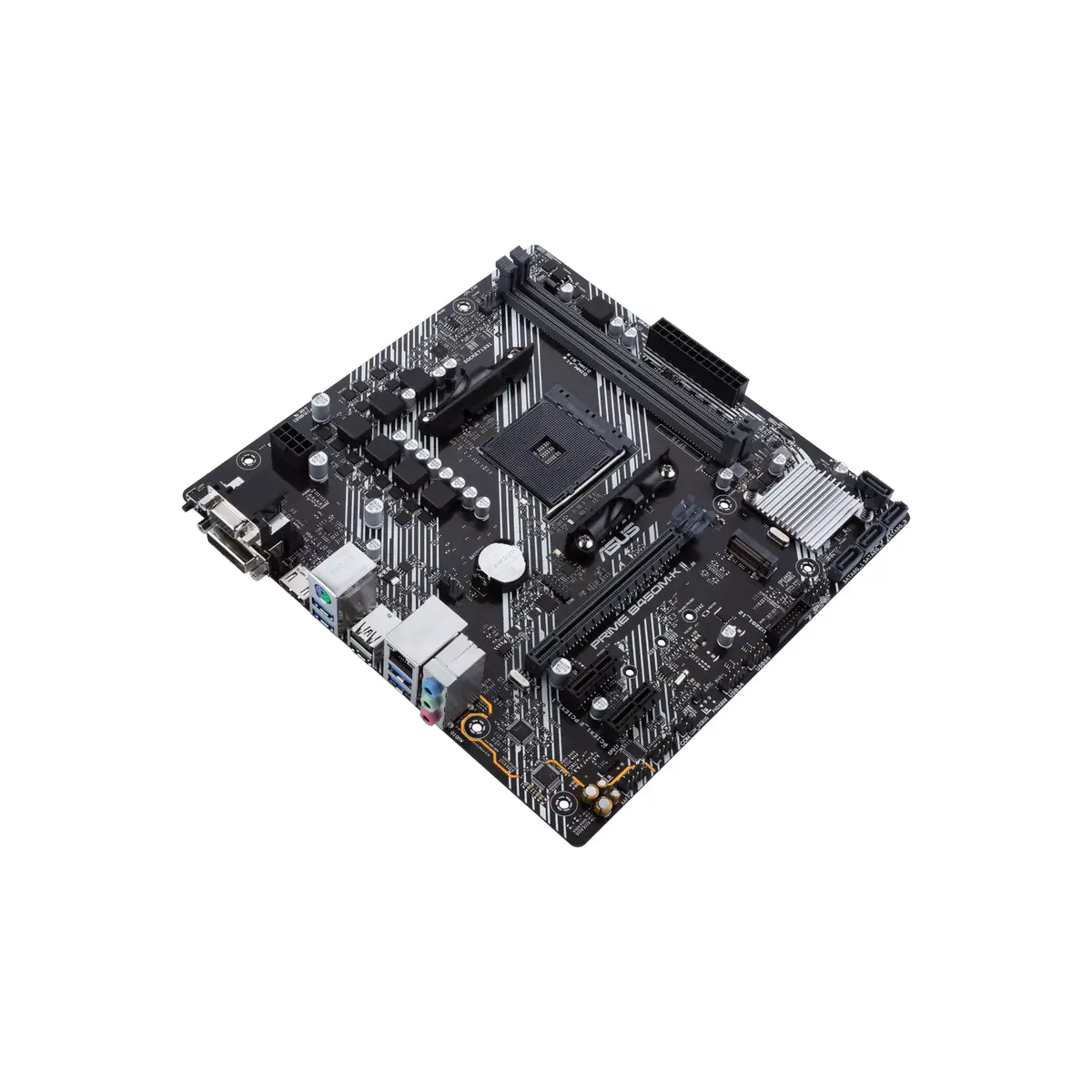
-
BIOS tips:
The BIOS (Basic Input/Output System) initializes and tests system hardware components, and loads a bootloader or an operating system from a mass memory device. The BIOS additionally provides abstraction layer for the hardware, i.e. a consistent way for application programs and operating systems to interact with the keyboard, display, and other input/output devices. There are several types of BIOS, including the motherboard ROM BIOS, video BIOS, drive controller BIOS, network adapter BIOS, and SCSI adapter BIOS.
-
UEFI AMI
-
Audio izvades kanāli:
An audio output channel is an electric circuit which acts as a path for a signal produced by a device. A device may have several audio output channels.
-
7.1
-
Mātes plates chipset:
The chipset connects the microprocessor to the rest of the motherboard.
-
AMD B450
-
Mātesplates mikroshēmojuma saime:
The category of motherboard chipset e.g. Intel, AMD.
-
AMD
-
Mātes plates formas faktors:
Design of the motherboard (ATX, BTX etc).
-
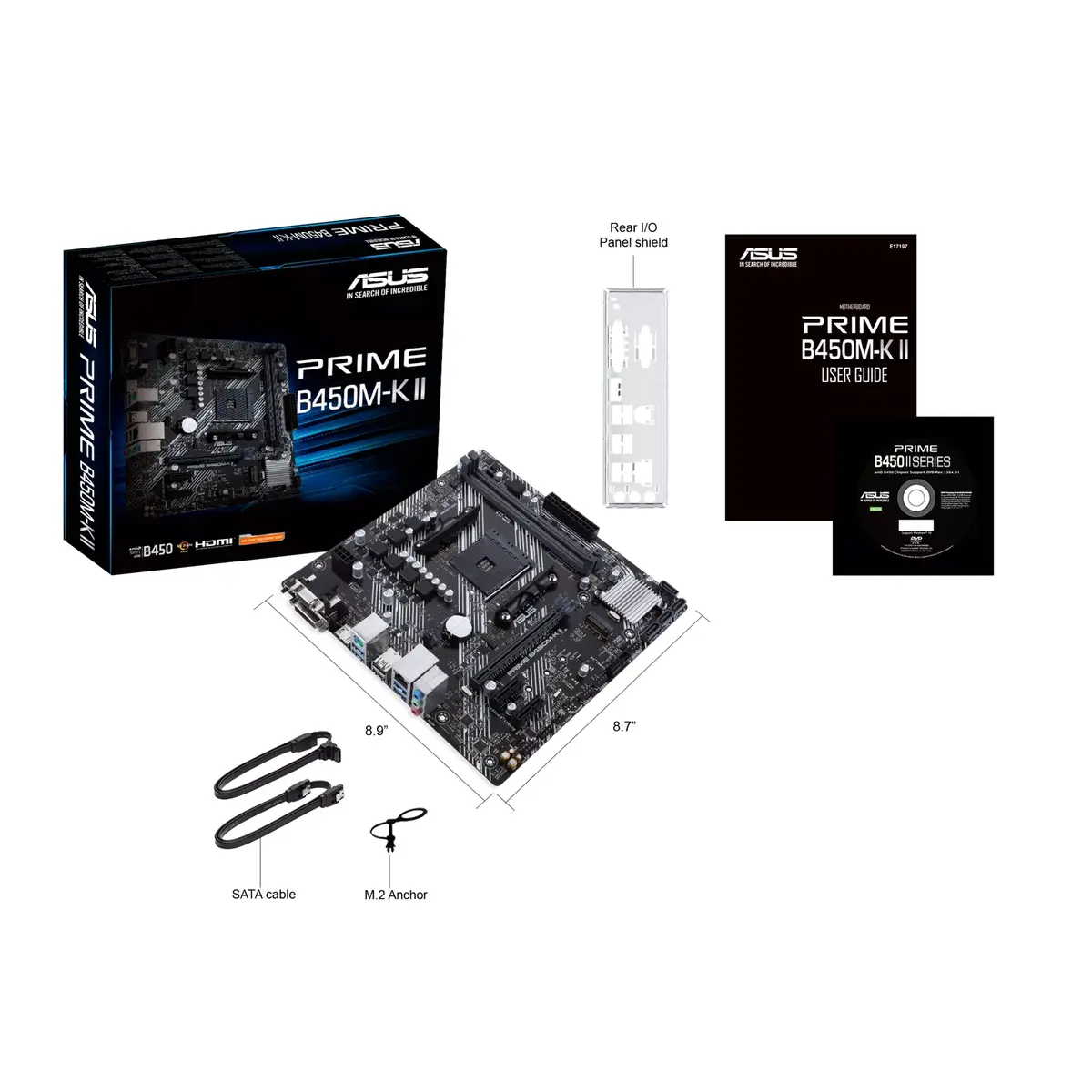
Micro ATX
-
Komponente:
What this product is used as a part of (component for).
-
PC (dators)
-
Wi-Fi:
WiFi ir bezvadu ierīce savienojumam ar tīklu. Mūsdienās jaunākais ir 802.11 B/G/N/AC pieslēgums, kuram ir augstākā ātrdarbība (150 - 900Mb/s) un drošība. Ar 802.11 B/G arī var pieslēgties praktiski visiem tīkliem, tikai maksimālā ātrdarbība pieslēdzoties N vai AC tipa tīklam būs 54 Mb/s.
-
Nē
-
DVI-D pieslēgvietu skaits:
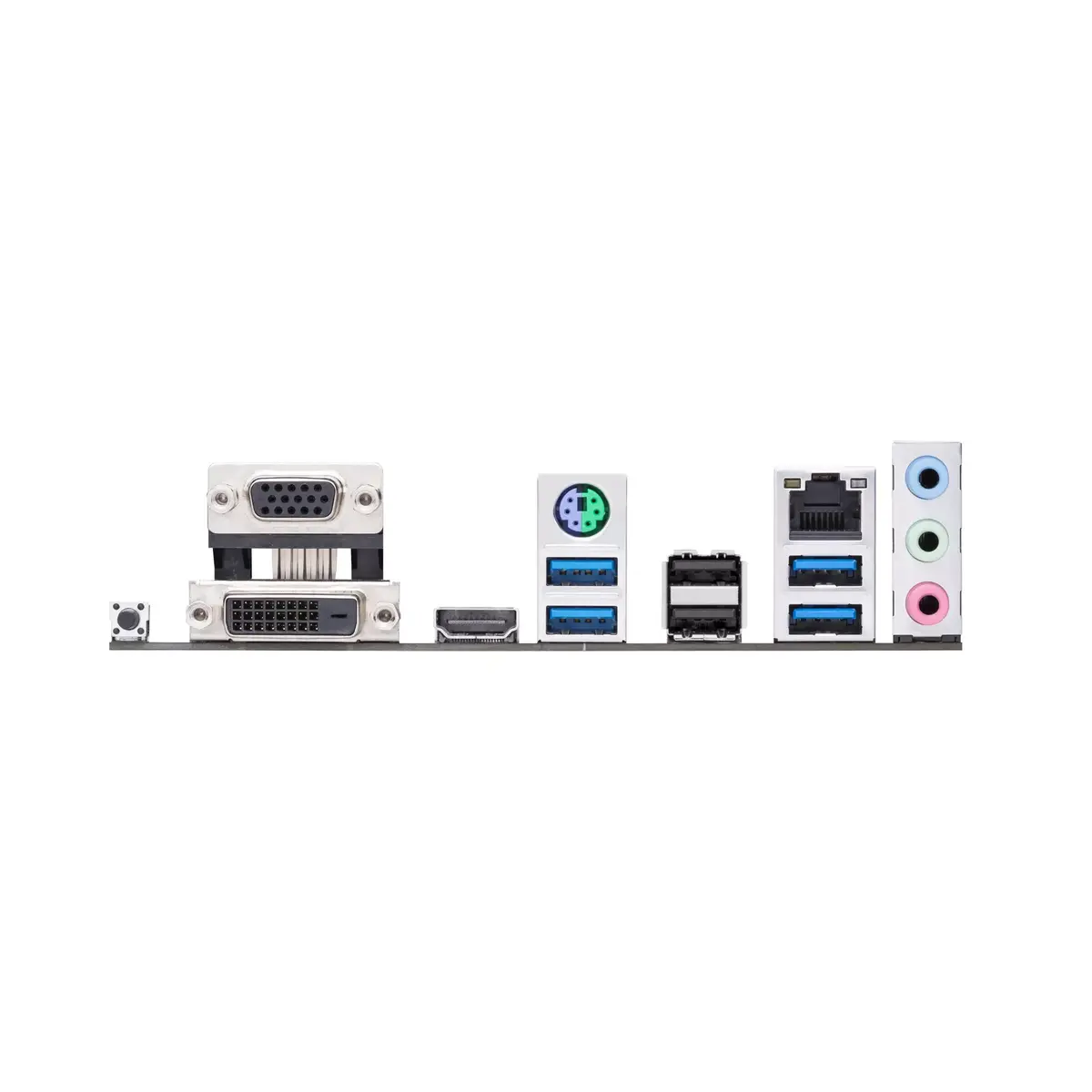
This is the amount of DVI-I interfaces. Digital Visual Interface (DVI) is a video display interface developed by the Digital Display Working Group (DDWG). The digital interface is used to connect a video source to a display device, such as a computer monitor. DVI-D means DVI digital, which means it can only support digital, but not analog.
-
1
-
HDMI pieslēgvietu skaits:
HDMI ir ciparu savienotājs, ar kura palīdzību var pieslēgt televizoru, projektoru un citas ierīces, kas nodod attēlu portatīvajam datoram. Atšķirībā no VGA, HDMI nodod skaņu un attēlu bez traucējumiem un augstā izšķirtspējā ( HD, Full HD – ja ir pieejams).
-
0
-
VGA (D-Sub) pieslēgvietu skaits:
Number of VGA (D-Sub) ports (connecting interfaces) in the device. The VGA (D-Sub) connector is a 15 pin connector between a computer and a monitor. It was first introduced in 1987 by IBM.
-
1
-
Ethernet LAN (RJ-45) pieslēgvietu skaits:
Number of Ethernet LAN (RJ-45) ports (connecting interfaces) in the device. Ethernet LAN (RJ-45) ports allow a computer to connect to the ethernet.
-
1
-
USB 3.2 Gen 2 (3.1 Gen 2) C tipa pieslēgvietu skaits:
Ar jauno USB 3.0 specifikāciju saderīgās ierīces sasniedz 5 Gbit/s (640 MB/s) ātrdarbību. Tas ir 10 reižu vairāk, nekā USB 2.0, kura datu pārsūtīšanas ātrums – 480Mbit/s (42MB/s). USB 3.0 savienojums tiek atzīmēts zilā krāsā.
-
0
-
USB 3.2 Gen 2 (3.1 Gen 2) A tipa pieslēgvietu skaits:
Ar jauno USB 3.0 specifikāciju saderīgās ierīces sasniedz 5 Gbit/s (640 MB/s) ātrdarbību. Tas ir 10 reižu vairāk, nekā USB 2.0, kura datu pārsūtīšanas ātrums – 480Mbit/s (42MB/s). USB 3.0 savienojums tiek atzīmēts zilā krāsā.
-
3
-
USB 3.2 Gen 1 (3.1 Gen 1) C tipa pieslēgvietu skaits:
Ar jauno USB 3.0 specifikāciju saderīgās ierīces sasniedz 5 Gbit/s (640 MB/s) ātrdarbību. Tas ir 10 reižu vairāk, nekā USB 2.0, kura datu pārsūtīšanas ātrums – 480Mbit/s (42MB/s). USB 3.0 savienojums tiek atzīmēts zilā krāsā.
-
0
-
USB 3.2 Gen 1 (3.1 Gen 1) A tipa pieslēgvietu skaits:
Ar jauno USB 3.0 specifikāciju saderīgās ierīces sasniedz 5 Gbit/s (640 MB/s) ātrdarbību. Tas ir 10 reižu vairāk, nekā USB 2.0, kura datu pārsūtīšanas ātrums – 480Mbit/s (42MB/s). USB 3.0 savienojums tiek atzīmēts zilā krāsā.
-
4
-
USB 2.0 pieslēgvietu skaits:
Number of USB 2.0 ports (connecting interfaces) in the device. USB 2.0 was released in April 2000 (now called "Hi-Speed"), adding higher maximum signaling rate of 480 Mbit/s (effective throughput up to 35 MB/s or 280 Mbit/s), USB 2.0 ports are usually black.
-
0
-
SATA III savienotāju skaits:
Serial ATA (Advanced Technology Attachment) (SATA) is a computer bus interface that connects host bus adapters to mass storage devices such as hard disk drives and optical drives. SATA III (revision 3.x) interface, formally known as SATA 6Gb/s, is a third generation SATA interface running at 6.0Gb/s. The bandwidth throughput, which is supported by the interface, is up to 600MB/s. This interface is backwards compatible with SATA 3 Gb/s interface.
-
4
-
USB 3.2 Gen 2 (3.1 Gen 2) savienotāji:
-
0
-
USB 3.2 Gen 1 (3.1 Gen 1) savienotāji:
This is a connector (normally attached to a cable) for USB 3.0. USB 3.0 is the second major revision of the Universal Serial Bus (USB) standard for computer connectivity. First introduced in 2008, USB 3.0 adds a new transfer mode called "SuperSpeed," (distinguishable from USB 2.0 by either the blue colour of the port or the initials SS) capable of transferring data at up to 5Gbit/s—more than ten times as fast as the 480 Mbit/s top speed of USB 2.0.
-
1
-
USB 2.0 savienotāji:
The end of a cable with a USB 2.0 connector. USB 2.0 was released in April 2000 (now called "Hi-Speed"), adding higher maximum signaling rate of 480 Mbit/s (effective throughput up to 35 MB/s or 280 Mbit/s), in addition to the "USB 1.x Full Speed" signaling rate of 12 Mbit/s. USB 2.0 connectors are usually colored black.
-
2
-
Maksimālā iekšējā atmiņa:
The maximum internal memory which is available in the product.
-
64 GB
-
Atmiņas slotu skaits:
-
2
-
Procesora ligzda:
Mechanical component(s) that provides mechanical and electrical connections between a microprocessor and a printed circuit board (PCB). This allows the processor to be replaced without soldering.
-
Ligzda AM4
-
Procesora ražotājs:
The manufacturer that produced the processor.
-
AMD
-
Atbalstītie glabāšanas diska interfeisi:
-
M.2, PCI Express 3.0, SATA III
-
Atbalstītās atmiņas veidi:
Types of memory which can be used with the product.
-
DDR4-SDRAM