
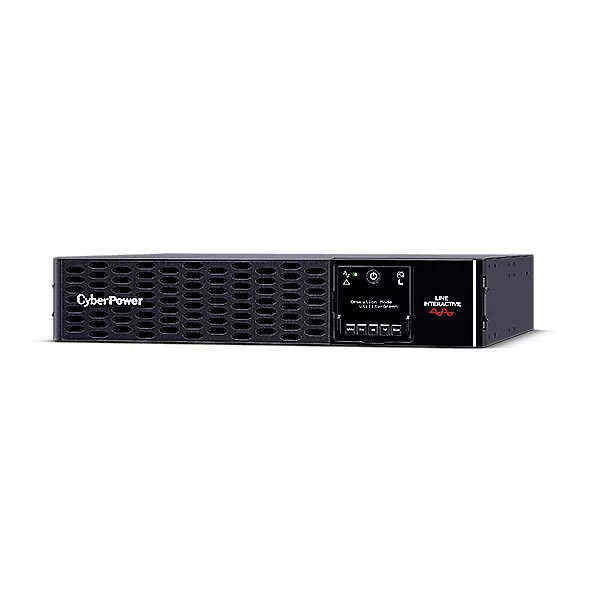
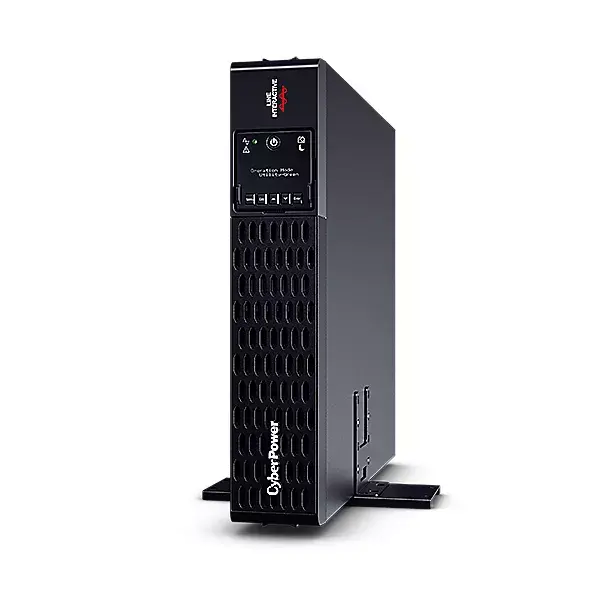
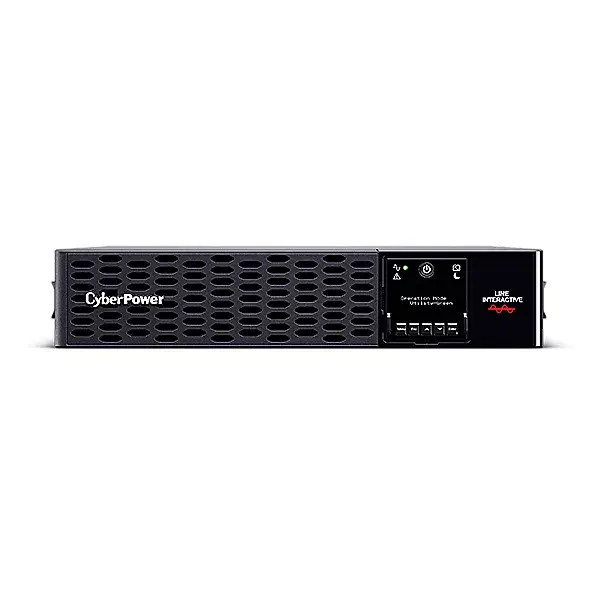
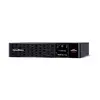
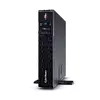
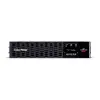
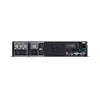
Neatkarīgais barošanas avots CYBERPOWER PR3000ERT2U, 3 kVA / 3000 W, 1-fāze, 8x C19, 2U skapis/tornis, AVR, SNMP/HTTP
1,339.99 €
Sekojiet līdzi cenu izmaiņām
Vai sekojat līdzi cenu izmaiņām
Skatieties, kā samazinās cena
Atstājiet savu adresi - tiklīdz produkta cena samazināsies, jūs uzreiz par to uzzināsiet.
Vai sekojat līdzi cenu izmaiņām
Neatkarīgais barošanas avots CYBERPOWER PR3000ERT2U, 3 kVA / 3000 W, 1-fāze, 8x C19, 2U skapis/tornis, AVR, SNMP/HTTP
{{email}}
Vai sekojat līdzi cenu izmaiņām
Neatkarīgais barošanas avots CYBERPOWER PR3000ERT2U, 3 kVA / 3000 W, 1-fāze, 8x C19, 2U skapis/tornis, AVR, SNMP/HTTP
{{email}}
{{selectedOffer && selectedOffer.price | formatAmount}}
Īss apraksts
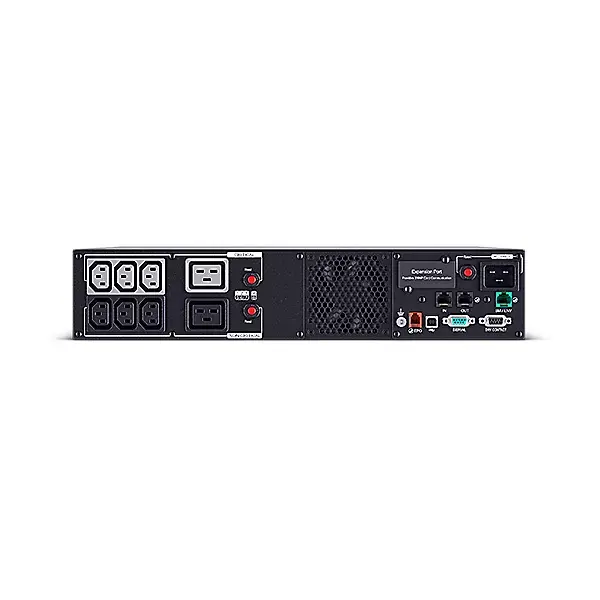
Rackmount/tower UPS CYBERPOWER PR3000ERT2U nodrošina 3 kVA (3000 W) ar 1-fāzes ieeju/izeju, tīru sinusoīdu un aktīvu PFC. Aprīkots ar AVR, pārsprieguma aizsardzību (2430 J), SNMP/HTTP pārvaldību, EPO, LCD, statusa LED, USB un RS-232, 2x RJ-45, 8 C19 kontaktligzdām un karstummaiņu VRLA akumulatoru (RBP0129). Tipiska darbība: 6,4 min puspienākumā, 1,3 min pilnā slodzē. 2U metāla korpuss, svars 32,3 kg.

Piegādāsim pasūtījumu:
uz Klientu apkalpošanas centru Kengaraga 2b, Rīgā.
10.08.2026
{{selectedOffer.officeDeliveryString}}
Bezmaksas
Klientu centrs
Ķengaraga iela 2b, Rīga, Latvija, LV-1063
10.08.2026
{{selectedOffer.officeDeliveryString}}
Bezmaksas
Piegāde ar kurjeru
Lielgabarīta pasūtījuma gadījumā piegādes cena var palielināties!
No 53.99 € (Svars: 38.49 kg)

maksā 3 vienādās daļās
Visi apmaksas veidi:
Pārskaitījums, Bankas karte on-line, Apple Pay, Google Pay, Nomaksā, Līzings juridiskām personām
Nomaksa uz 36 mēnešiem:
no 37.22 €/mēn.
Līzings juridiskai personai:
no 46.63 €/mēn.


