A curated selection of maximum value offers!

{{ totalProductsCount }}
In cart {{totalProductsCount}} item(s)
In cart {{totalProductsCount}} item(s)
Total:
{{sum | formatAmount}}
Your cart is empty
Cables and adapters

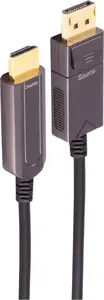
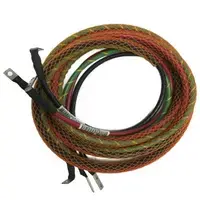
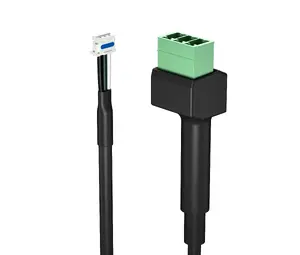
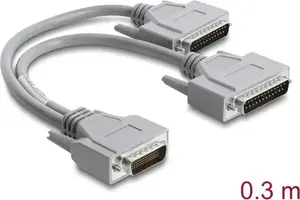
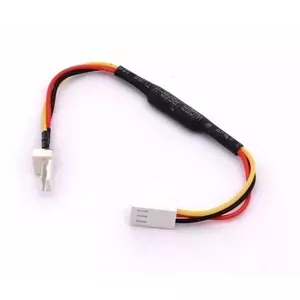
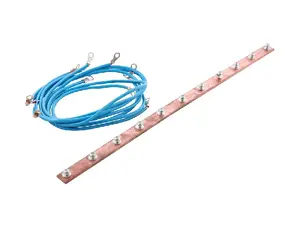
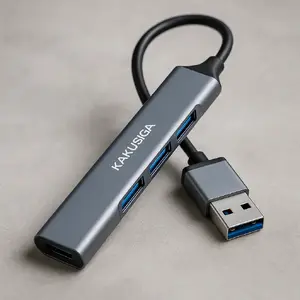
Cables and adapters are hardware components that connect electronic devices, transmit power, video, audio, data or network signals, and adapt one connector type to another. They are used to link devices such as computers, monitors, mobile phones, routers, TVs, and audio equipment, enabling communication and power delivery between components. These products are chosen when direct device ports are incompatible, when signal extension or conversion is required, or when a specific cable specification (for example bandwidth, shielding, or power rating) is needed. Consumers, IT professionals and technicians select options based on connector types, supported protocols, length, build quality and compliance with standards to ensure reliable performance. Proper selection reduces signal loss, prevents damage to devices, and matches performance requirements for applications like charging, video display, data transfer or network connectivity.
Types of Cables and adapters
The category includes a variety of connector types, cable constructions and adapter formats.
- Power cables and power adapters (AC/DC) for supplying electricity to devices.
- USB cables and adapters (Type-A, Type-B, Micro, Mini, Type-C, USB OTG) for data transfer and charging.
- Video cables and adapters (HDMI, DisplayPort, DVI, VGA) for connecting displays and projectors.
- Audio cables and adapters (3.5 mm, RCA, optical TOSLINK, XLR) for sound systems and microphones.
- Network cables (Ethernet/Cat5e, Cat6, Cat6a, Cat7) and related adapters for wired networking.
- Specialty cables and adapters (Thunderbolt, eSATA, SATA, M.2 adapters, serial RS-232) for specific hardware interfaces.
What are Cables and adapters used for?
Cables and adapters serve to establish electrical and signal connections between devices and to convert one connector or protocol to another when required.
- Power delivery: supplying electricity from power sources to laptops, monitors, routers and other equipment.
- Data transfer: moving files between devices, connecting peripherals like external drives and smartphones.
- Video and audio transmission: sending display signals to monitors or TVs and routing sound to speakers or recording equipment.
- Network connectivity: creating wired LAN connections for internet access and local networking.
- Protocol conversion: adapting legacy ports to modern interfaces or enabling compatibility between different connector standards.
Key Differences between Cables and adapters
Differences include physical connector types, supported standards, electrical characteristics and intended use cases.
- Connector form factor: shape and pin layout (for example HDMI vs VGA) determine mechanical compatibility.
- Signal type and bandwidth: cables vary in maximum data rates and supported resolutions or sample rates.
- Shielding and construction: braided shields, foil, and conductor gauge affect durability and signal integrity.
- Power rating and pin configuration: important for charging cables and power adapters to match device requirements.
- Passive vs active adapters: passive adapters map pins directly, while active adapters include electronics for signal conversion or amplification.
How to Choose Cables and adapters?
Selecting the right cable or adapter requires checking device ports, required performance, and environmental or safety needs.
- Verify connector types on both devices and choose compatible or properly adapted connectors.
- Match supported standards and bandwidth (for example HDMI version, USB generation, or Ethernet category) to desired performance.
- Choose appropriate cable length — longer cables can increase signal loss; use higher-quality shielded cables when needed.
- Confirm power and voltage ratings for power cables and adapters to prevent underpowering or damage.
- Prefer certified or standard-compliant products when interoperability and safety are important; consider active adapters when protocol conversion is required.


