Powerful EcoFlow stations for energy anywhere!

{{ totalProductsCount }}
In cart {{totalProductsCount}} item(s)
In cart {{totalProductsCount}} item(s)
Total:
{{sum | formatAmount}}
Your cart is empty
Communication Equipment

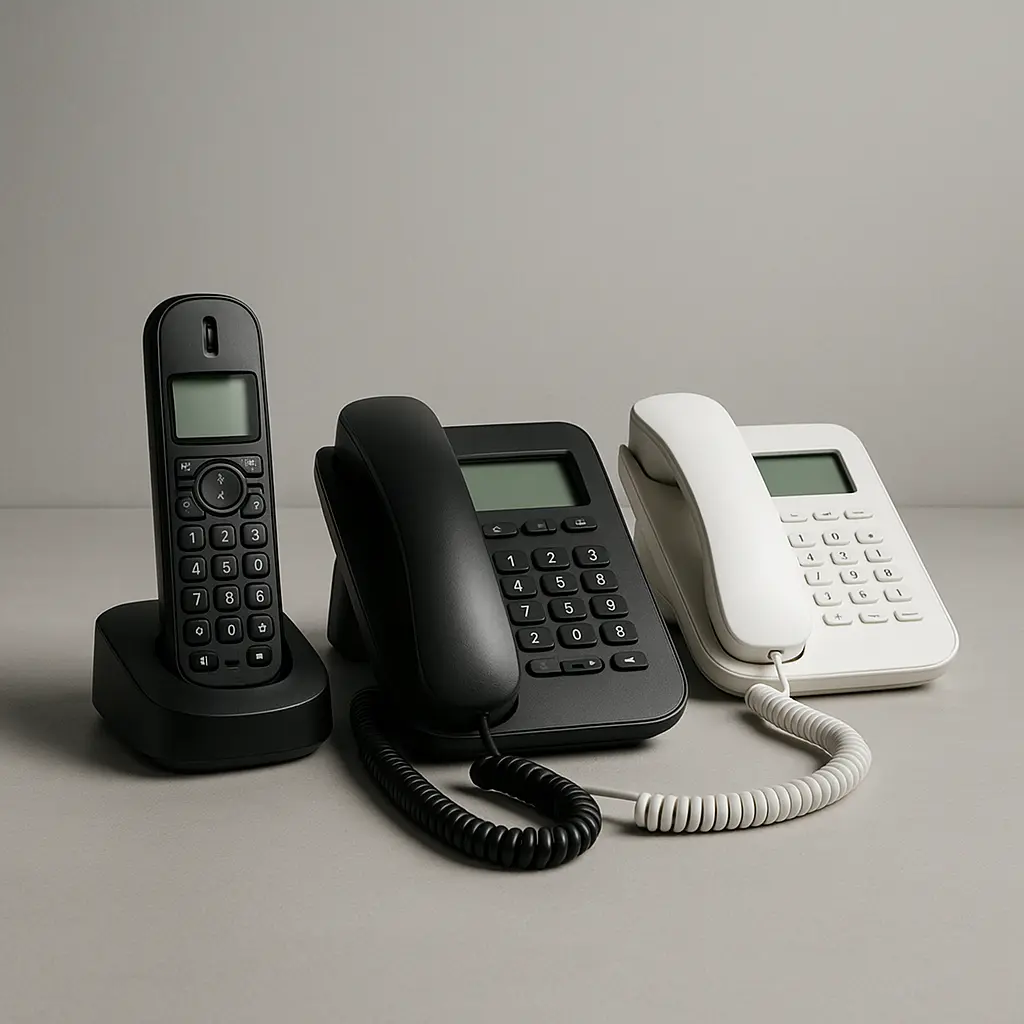
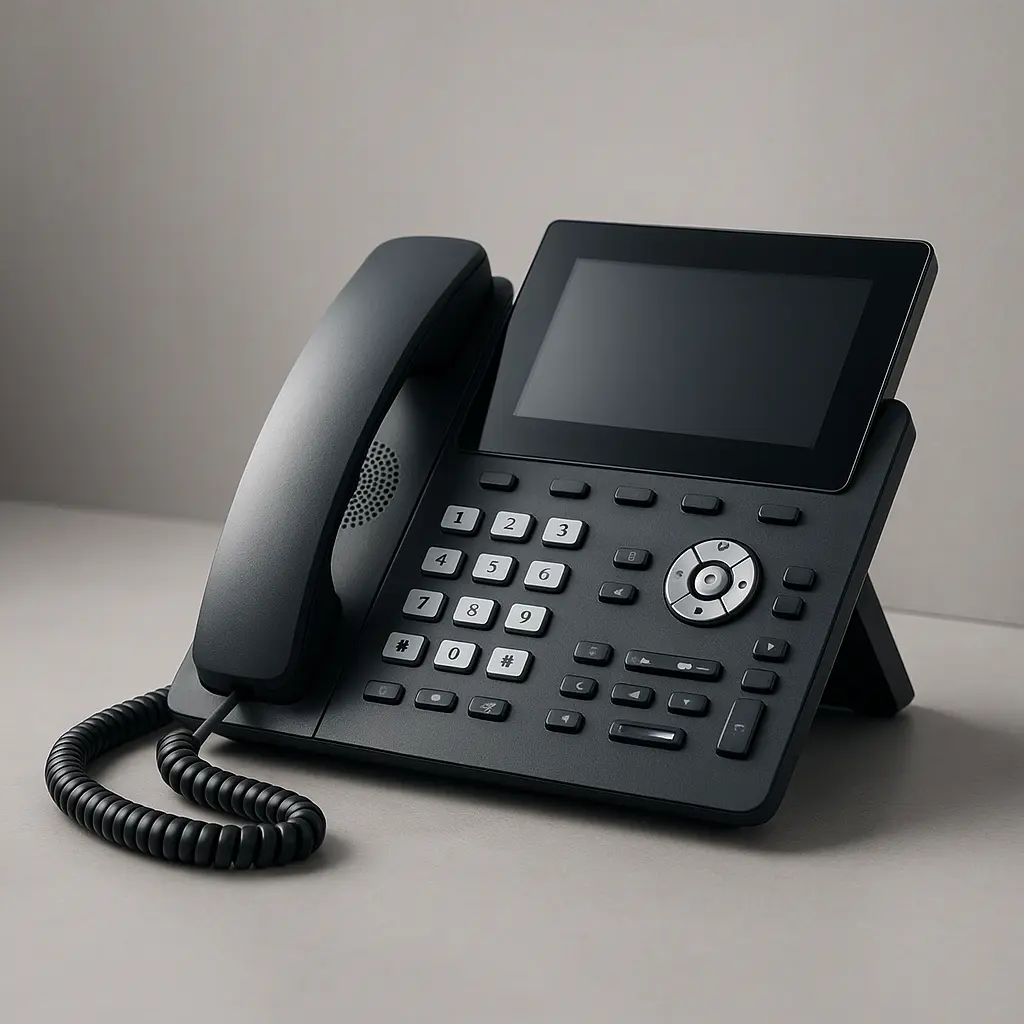
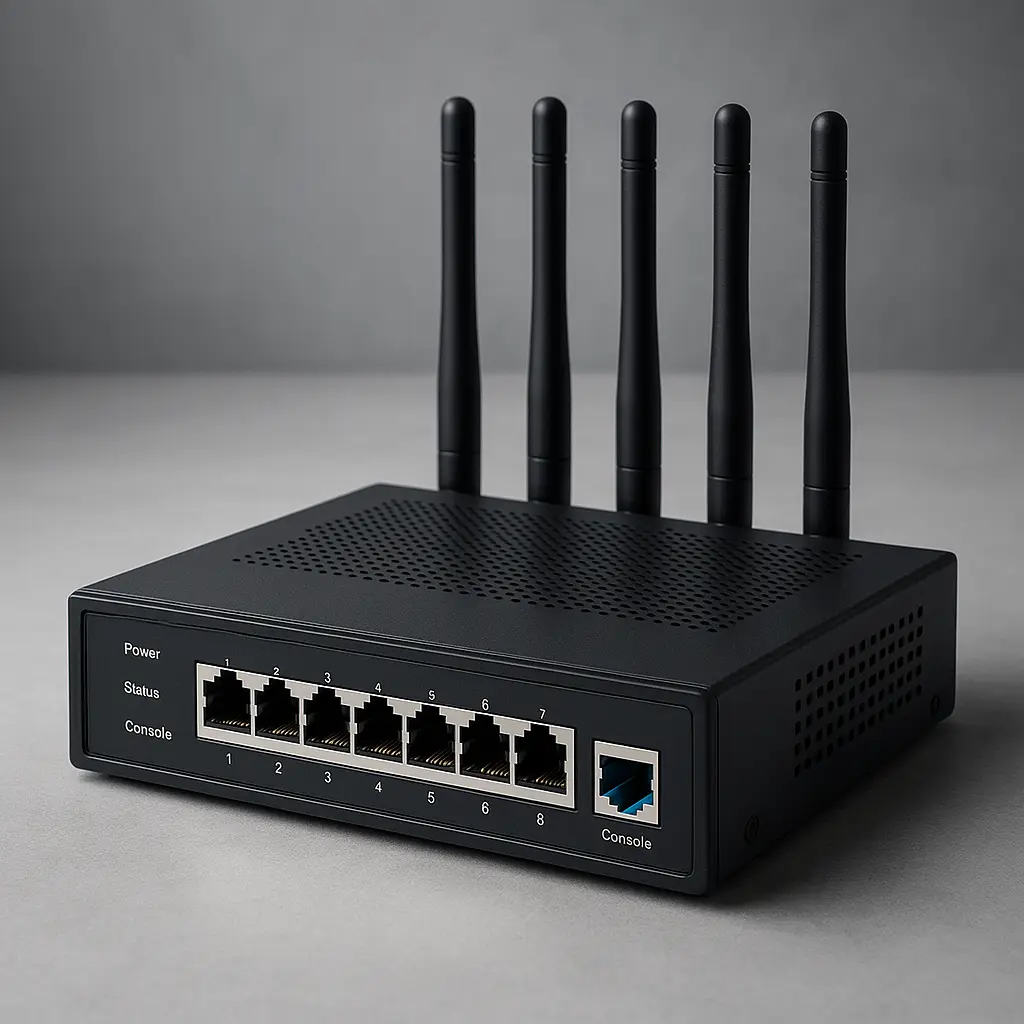



Communication equipment encompasses devices and systems designed to transmit, receive and process voice, data and signaling information across various distances and media. These products include wired and wireless hardware used in private, commercial and public networks to enable telephony, internet access, radio links and machine-to-machine connections. Customers select communication equipment for applications such as office telephony, broadband connectivity, wireless coverage, industrial control systems and emergency communications. Typical installations range from single-purpose consumer devices to rack-mounted enterprise systems, and selection depends on capacity, protocols supported and environmental requirements. Maintenance, compatibility with existing infrastructure and regulatory compliance are common considerations when deploying communication equipment.
Types of Communication equipment
Common categories of communication equipment include a variety of hardware tailored to specific transmission methods and use cases.
- Routers and switches: network devices that direct data between local and wide area networks and manage traffic flow.
- Modems and gateways: devices that convert signals between different media or protocols, enabling internet access and network interconnection.
- Wireless access points and repeaters: hardware that provides or extends Wi‑Fi and other wireless coverage.
- Telephone systems and VoIP phones: equipment for voice communication over traditional PSTN lines or internet protocols.
- Two‑way radios and transceivers: portable or fixed devices for direct radio communication, used by security, logistics and field services.
- Antennas and cabling: passive components that influence signal quality, range and reliability for wired and wireless links.
- Network servers and appliances: dedicated devices for routing, security, management and protocol translation.
What are Communication equipment used for?
Communication equipment is used to establish and maintain information exchange between people, machines and systems in a controlled and measurable way.
- Voice and video calls: enabling real‑time conversation and conferencing over phone networks or internet services.
- Data transfer and internet access: providing connectivity for web services, cloud applications and file exchange.
- Remote monitoring and control: supporting telemetry, SCADA and IoT devices for industrial and building automation.
- Public safety and emergency services: facilitating coordination through radios, dispatch systems and resilient networks.
- Wireless coverage and mobility: ensuring seamless connectivity for mobile devices across sites and campuses.
- Interoperability and protocol conversion: linking disparate networks and legacy systems through gateways and adapters.
Key Differences between Communication equipment
Differences among communication products arise from performance, supported standards, physical form factor and intended environment.
- Performance and capacity: measured in throughput, concurrent connections and latency; enterprise equipment typically supports higher loads than consumer-grade devices.
- Protocols and standards: support for TCP/IP, SIP, LTE, Wi‑Fi versions and industrial protocols affects compatibility and functionality.
- Form factor and installation: choices range from handheld radios and wall‑mount access points to rack‑mountable switches and outdoor base stations.
- Durability and environmental rating: industrial and outdoor equipment offer protection against temperature, moisture and vibration compared with indoor consumer gear.
- Security and management features: advanced authentication, encryption and centralized management differ across models and vendors.
- Regulatory compliance and spectrum use: radio devices must comply with local frequency allocations and certification requirements.
How to Choose Communication equipment?
Selecting suitable communication equipment requires matching technical requirements, deployment context and long‑term operational needs.
- Define use case and capacity: estimate number of users, bandwidth needs and peak loads to determine required performance.
- Check protocol and vendor compatibility: ensure interoperability with existing network equipment, telephone systems and software platforms.
- Consider environment and physical constraints: choose ruggedized or weatherproof hardware for outdoor or industrial sites and appropriate cabling for distances.
- Evaluate management and security: prefer devices that support centralized monitoring, firmware updates and required encryption standards.
- Plan for scalability and redundancy: select modular systems or equipment with spare capacity to accommodate growth and failover needs.
- Review regulatory and certification requirements: verify radio frequency approvals and regional compliance where applicable.


