Microphones are devices that convert sound waves into electrical signals for recording, amplification, or processing. They are used across music production, broadcasting, podcasting, live performance, video production, and conferencing to capture voice, instruments, and ambient sound. Selection of a microphone depends on application-specific factors such as directionality, frequency response, sensitivity, connectivity, and mounting options. Different microphone designs and technologies are chosen to suit studio work, stage use, field recording, or online communication. Technical specifications and intended use determine sound quality, noise handling, and compatibility with other audio equipment.
Types of Microphones
Common microphone types are distinguished by design, transduction method, and intended use.
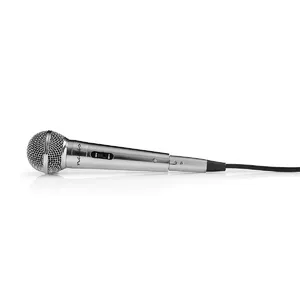
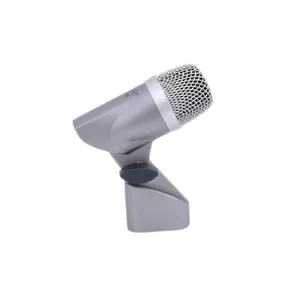
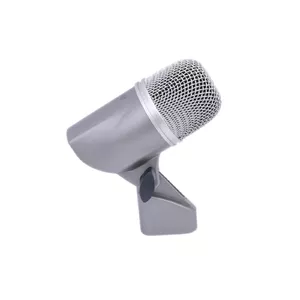
- Dynamic microphones — robust, handle high sound pressure levels, suitable for live vocals and instruments.
- Condenser microphones — sensitive with wide frequency response, commonly used in studio recording and detailed capture.
- Ribbon microphones — provide smooth high-frequency response and natural tones, often used for vocals and certain instruments in studio settings.
- USB microphones — integrate analog-to-digital conversion and connect directly to computers for podcasting, streaming, and remote work.
- Wireless microphones — transmit audio without cables, used for live performance, presentations, and broadcast applications.
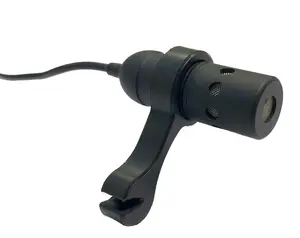
- Lavalier (lapel) microphones — small clip-on mics for speech, interviews, and video production where hands-free operation is needed.
- Shotgun and boom microphones — highly directional designs for film, video, and field recording to isolate subject sound.
What are Microphones used for?
Microphones serve to capture and convert acoustic sound for various workflows and devices.
- Studio recording of vocals and instruments for music and voiceover.
- Live sound reinforcement for concerts, conferences, and public speaking.
- Broadcasting and podcasting where clear speech capture and signal consistency are required.
- Video production and filmmaking to record dialogue and on-location sound.
- Streaming, remote conferencing, and online communication with direct computer connectivity.
- Field recording and sound design for environmental and documentary audio capture.
Key Differences between Microphones
Differences among microphones affect performance, suitability, and integration with audio systems.
- Transducer type — dynamic, condenser, and ribbon microphones differ in sensitivity, transient response, and power needs (condenser often requires phantom power).
- Polar pattern — omnidirectional, cardioid, supercardioid, and figure-8 patterns determine directionality and off-axis rejection.
- Frequency response — indicates how accurately a microphone captures low, mid, and high frequencies and influences tonal character.
- Sensitivity and maximum SPL — affect how well a microphone captures quiet sources and how it handles loud sounds without distortion.
- Connectivity — XLR, USB, or wireless interfaces determine compatibility with mixers, audio interfaces, and computers.
- Build and mounting — size, shock mounts, wind protection, and durability influence field use and stage reliability.
How to Choose Microphones?
Selecting a microphone requires matching technical features to the intended application and equipment.
- Define the primary use — studio recording, live performance, broadcasting, streaming, or film production.
- Consider polar pattern — choose tighter patterns (cardioid/supercardioid) for isolation or omnidirectional for ambient capture.
- Check connectivity and power — ensure compatibility with available preamps, audio interfaces, or USB ports; note phantom power for many condensers.
- Evaluate frequency response and sensitivity relative to the sound source (voice, acoustic guitar, drums, etc.).
- Assess durability and mounting options — for stage use prefer robust handhelds; for location work consider shock mounts and wind protection.
- Match budget with required specifications — prioritize key performance aspects like noise floor, SPL handling, and reliability for the intended tasks.
Why is it worth buying microphones at AiO.lv?
Order online at AiO.lv at a good price, with delivery across Latvia and to other EU countries. We deliver to Riga, Daugavpils, Liepāja, Jūrmala, Ventspils and other cities. We offer products from leading manufacturers.
- Official warranty and proven quality.
- Convenient payment methods, including instalments and credit.
- Fast, reliable delivery across Latvia and to other EU countries.
FAQ
Where can you find a microphones with cheap prices?
You can buy cheaper at the AiO.lv online store. We offer competitive prices and regular discounts, so you always have the chance to find a great deal.
What is the delivery time for microphones?
If you place your order today, delivery will take between 1 and 5 business days depending on the chosen method.
How long is the warranty period for microphones?
Our store provides an official manufacturer’s warranty ranging from 12 to 36 months, depending on the model and brand. If needed, you can always contact our customer service department or the manufacturer’s authorized service center for support.
Are microphones purchasable with leasing?
Yes, if the selected product costs more than €50. You can learn more about installment purchase options and the terms of application on the
Payment page.
Can microphones be purchased for a company (with VAT)?
Yes. AiO.lv works with legal entities in Latvia and throughout Europe. All product prices are shown with VAT included. In certain cases, a 0% VAT rate may apply — for example, when purchasing from other EU countries with a valid VAT number. We issue an invoice immediately after the order is placed, support BIS electronic invoices, and automatically generate all required accounting documents. To complete a purchase for a company, simply select the company profile during checkout.