


Add to wish listAdd to AI comparison

BLUBELLDelivery: 08.12.2026
Children's Wooden Classic Skateboard BLUBELL Kub_05-S3/1K-OR — wooden deck, small size for kidsDelivery: 08.12.2026
24.49 €
Add to cart

Necessary cookies enable the site’s essential functions, including authentication and security, saving the shopping cart, placing orders, selecting a language, and retaining other user settings. They are always active because the site cannot work correctly without them. These cookies are not used for analytics or advertising.
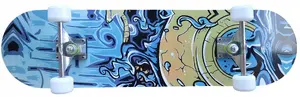
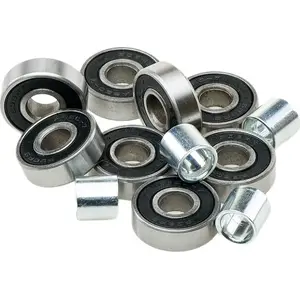
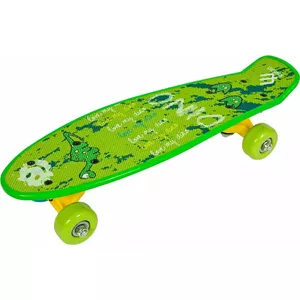
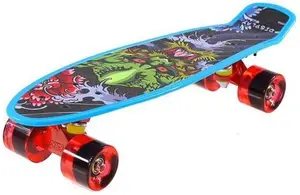
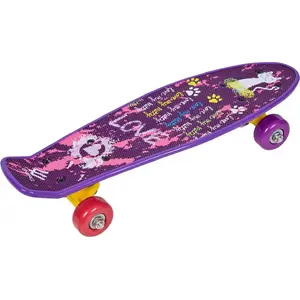
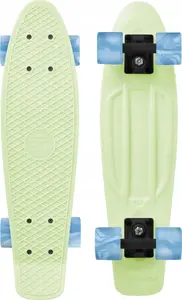
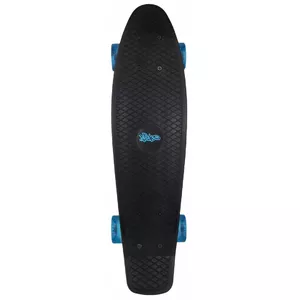
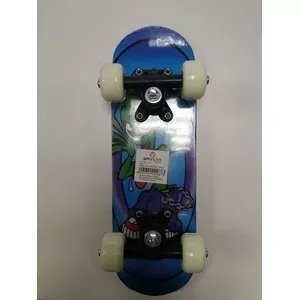


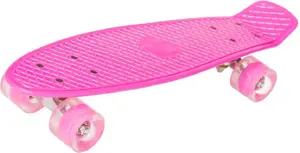


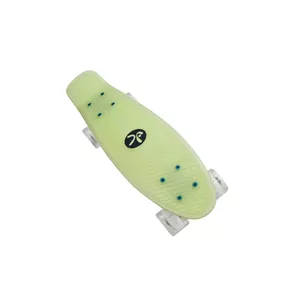
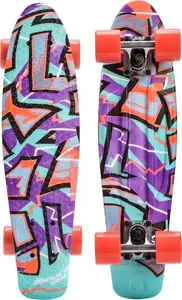
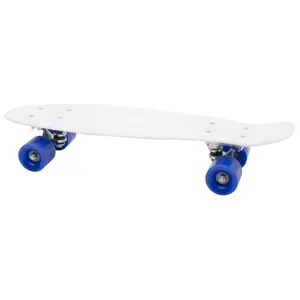
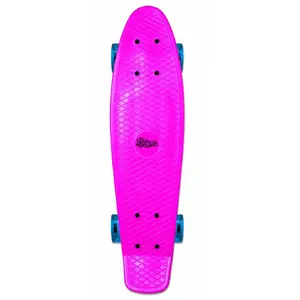
Skateboards are compact wheeled boards designed for standing and riding, used for transportation, recreation, and technical riding on streets, skateparks, and ramps. They consist of a deck, trucks, wheels, and bearings, and are available in various shapes and sizes to suit different riding styles and rider sizes. People choose skateboards for commuting short distances, practicing tricks, cruising, downhill riding, or simply as a means of personal mobility on paved surfaces. Selection depends on intended use, rider experience, and preferences for stability, responsiveness, and portability. Skateboards are commonly paired with protective equipment and require periodic maintenance of bearings, wheels, and hardware for safe, reliable performance.
Common skateboard types differ by deck shape, wheel size, and intended riding style. Examples include:
Skateboards serve multiple practical and recreational purposes across different environments.
Key differences relate to deck dimensions, wheel and truck specifications, and construction materials.
Choosing a skateboard requires assessing riding goals, skill level, and physical factors.
Order online at AiO.lv at a good price, with delivery across Latvia and to other EU countries. We deliver to Riga, Daugavpils, Liepāja, Jūrmala, Ventspils and other cities. We offer products from leading manufacturers.

We are confident in our quality, but if the purchase doesn’t fit — you have 14 days to return the product with peace of mind.

Get your orders as quickly as possible — right to your door, parcel lockers, or pickup points across Latvia and the EU.

Pay the way you prefer: cash, VISA, MasterCard, Apple Pay, Google Pay, bank transfer, or 0% installment plan.

AiO.lv has been on the market for over 18 years and has earned trust — with more than 6000 genuine positive reviews on Google.