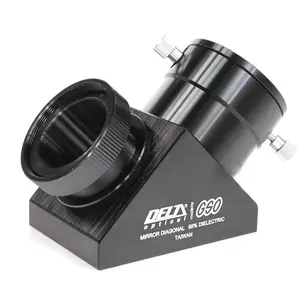
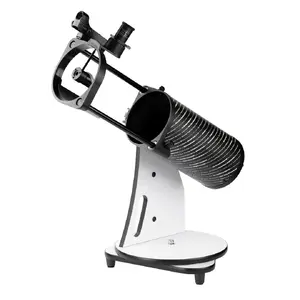
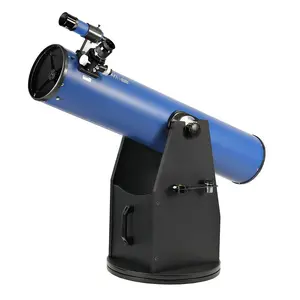
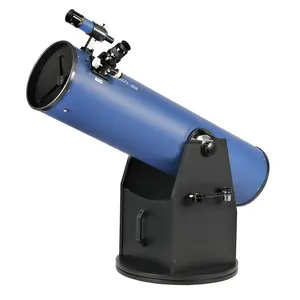
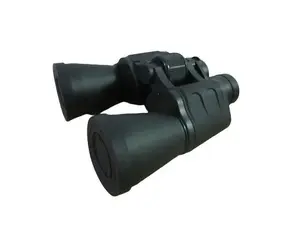
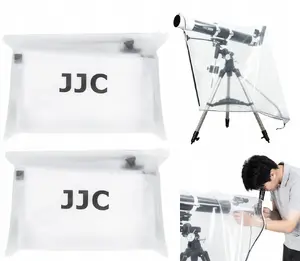
Telescopes are optical instruments designed to collect and magnify light from distant objects to make them easier to observe. They are used for viewing celestial bodies such as stars, planets, comets and galaxies, and for terrestrial observation when a long-range magnified view is required. Users choose telescopes for activities including amateur astronomy, astrophotography, educational demonstrations, and nature or coastal observation. Telescope models vary by optical design, aperture size and mounting system, which determine light-gathering ability, resolution and ease of use. Accessories such as eyepieces, mounts, finderscopes and adapters for cameras extend functionality and adapt instruments to specific tasks. Selection typically balances factors such as portability, optical performance, budget and the intended observing targets.
Types of Telescopes
Common telescope categories are based on optical design and mounting:
- Refractor telescopes — use lenses to form an image; they are often preferred for planetary and lunar viewing and for low-maintenance operation.
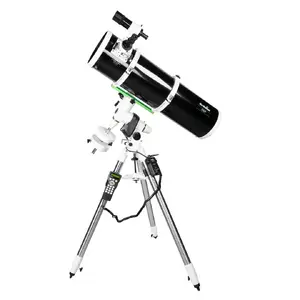
- Reflector telescopes — use mirrors to collect light; these typically offer larger apertures for lower cost and are common for deep-sky observation.
- Catadioptric telescopes — combine lenses and mirrors (e.g., Schmidt-Cassegrain, Maksutov) to provide compact designs suitable for mixed-use and astrophotography.
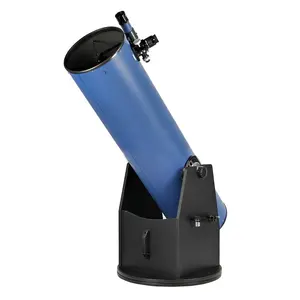
- Dobsonian telescopes — a subtype of reflector with a simple, stable alt-azimuth mount that emphasizes aperture and value for visual observing.
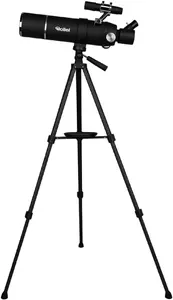
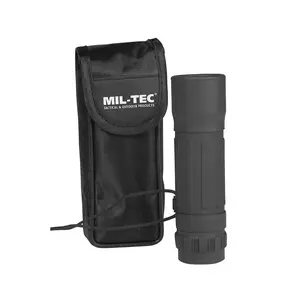
- Portable and compact models — small refractors and travel scopes designed for easy transport and quick setup.
- Computerized (GoTo) and motorized mounts — mounts with motors and control systems that automate object tracking and finding.
What are Telescopes used for?
Telescopes are used to visually observe or image distant objects by increasing apparent size and brightness. Typical uses include:
- Astronomical observation — studying the Moon, planets, star clusters, nebulae and galaxies.
- Astrophotography — capturing long-exposure images of celestial objects using cameras and tracking mounts.
- Educational and scientific demonstrations — teaching optics, astronomy and observational techniques in schools or clubs.
- Terrestrial observation — birdwatching, landscape viewing and surveillance where long-range magnification is needed.
- Public outreach — use in star parties and community events to give public views of bright celestial objects.
Key Differences between Telescopes
Telescopes differ in several measurable and practical ways that affect performance and suitability for tasks:
- Aperture — the diameter of the primary lens or mirror; larger apertures collect more light and generally resolve finer detail.
- Focal length and focal ratio — determine magnification with a given eyepiece and affect field of view and image brightness.
- Optical design — refractors, reflectors and catadioptrics have different aberration characteristics, size and maintenance needs.
- Mount type — alt-azimuth mounts are simple and intuitive; equatorial mounts simplify tracking for long-exposure photography.
- Portability and weight — compact designs are easier to transport but may limit aperture and light-gathering power.
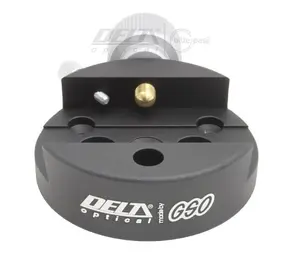
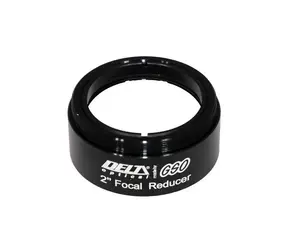
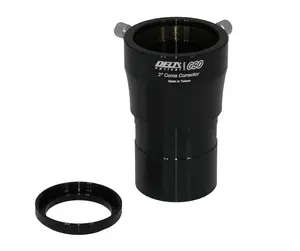
- Accessories and compatibility — available eyepieces, filters, focal reducers and camera adapters influence system versatility.
How to Choose Telescopes?
Choosing a telescope requires matching the instrument to your goals, location and experience level. Consider these practical criteria:
- Primary purpose — visual observing, astrophotography or terrestrial use; astrophotography typically requires a stable equatorial mount and tracking.
- Aperture size — larger apertures improve faint-object detection; for beginners a 70–150 mm refractor or 130–200 mm reflector is a common starting range.
- Portability — if you travel to dark sites, prioritize lighter, more compact designs and simple setup.
- Mount type and stability — choose a mount that supports the telescope’s weight and observing needs; motorized mounts add convenience for tracking.
- Budget and expandability — factor in cost of eyepieces, mounts, cameras and other accessories when planning purchases.
- User experience — beginners often benefit from simple, low-maintenance designs and community support; advanced users may prioritize larger aperture and imaging capability.
Why is it worth buying telescopes at AiO.lv?
Order online at AiO.lv at a good price, with delivery across Latvia and to other EU countries. We deliver to Riga, Daugavpils, Liepāja, Jūrmala, Ventspils and other cities. We offer products from leading manufacturers.
- Official warranty and proven quality.
- Convenient payment methods, including instalments and credit.
- Fast, reliable delivery across Latvia and to other EU countries.
FAQ
Where can you find a telescopes with cheap prices?
You can buy cheaper at the AiO.lv online store. We offer competitive prices and regular discounts, so you always have the chance to find a great deal.
What is the delivery time for telescopes?
If you place your order today, delivery will take between 1 and 5 business days depending on the chosen method.
How long is the warranty period for telescopes?
Our store provides an official manufacturer’s warranty ranging from 12 to 36 months, depending on the model and brand. If needed, you can always contact our customer service department or the manufacturer’s authorized service center for support.
Are telescopes purchasable with leasing?
Yes, if the selected product costs more than €50. You can learn more about installment purchase options and the terms of application on the
Payment page.
Can telescopes be purchased for a company (with VAT)?
Yes. AiO.lv works with legal entities in Latvia and throughout Europe. All product prices are shown with VAT included. In certain cases, a 0% VAT rate may apply — for example, when purchasing from other EU countries with a valid VAT number. We issue an invoice immediately after the order is placed, support BIS electronic invoices, and automatically generate all required accounting documents. To complete a purchase for a company, simply select the company profile during checkout.