


Add to wish listAdd to AI comparison

2k gamesDelivery: Monday
NBA 2K27 Video Game for PlayStation 5 by 2K Games featuring MyCAREER MyTEAM and ProPLAY technologyDelivery: Monday
85.49 €
0% for 6 mon.
Add to cart

Necessary cookies enable the site’s essential functions, including authentication and security, saving the shopping cart, placing orders, selecting a language, and retaining other user settings. They are always active because the site cannot work correctly without them. These cookies are not used for analytics or advertising.


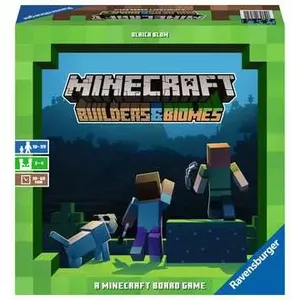















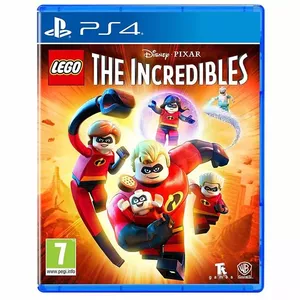
Video games are interactive digital software designed for entertainment, learning, and creative expression on consoles, PCs, and mobile devices. They combine visual and audio elements with user input to create simulated environments, narratives, or challenges that players control using controllers, keyboards, touchscreens, or motion sensors. People choose video games for solo play, cooperative or competitive multiplayer, skill development, or as part of media collections; they are selected for specific platforms, technical requirements, and content types. Titles range from short casual experiences to large-scale productions with persistent online features, downloadable content, and regular updates. When choosing video games, users consider system compatibility, age-appropriate content, gameplay mechanics, and technical performance to match their play style and hardware.
Video games are organized by format, genre, and intended platform. Common formats and categories include:
Video games serve multiple practical purposes beyond entertainment. They provide interactive storytelling and problem-solving experiences, support social interaction through multiplayer modes, and offer skill development in areas such as hand–eye coordination, strategic thinking, and resource management. Some games are used for educational or training applications, simulation of real-world tasks, or creative outlets like level design and modding. Others offer competitive environments for organized play and e-sports, or platforms for content creation and community engagement.
Differences among video games are driven by platform, technical requirements, and design focus. Important distinctions include:
Selecting video games involves matching title attributes to personal preferences and hardware. Consider these steps:
Order online at AiO.lv at a good price, with delivery across Latvia and to other EU countries. We deliver to Riga, Daugavpils, Liepāja, Jūrmala, Ventspils and other cities. We offer products from leading manufacturers.

We are confident in our quality, but if the purchase doesn’t fit — you have 14 days to return the product with peace of mind.

Get your orders as quickly as possible — right to your door, parcel lockers, or pickup points across Latvia and the EU.

Pay the way you prefer: cash, VISA, MasterCard, Apple Pay, Google Pay, bank transfer, or 0% installment plan.

AiO.lv has been on the market for over 18 years and has earned trust — with more than 6000 genuine positive reviews on Google.