



Discount 38%
You save: 123.50 €
The discount is valid from 24.09.2026 to 22.10.2026

Discount 38%
You save: 123.50 €
The discount is valid from 24.09.2026 to 22.10.2026
Leave your address - as soon as the price of the product goes down, you'll know about it right away
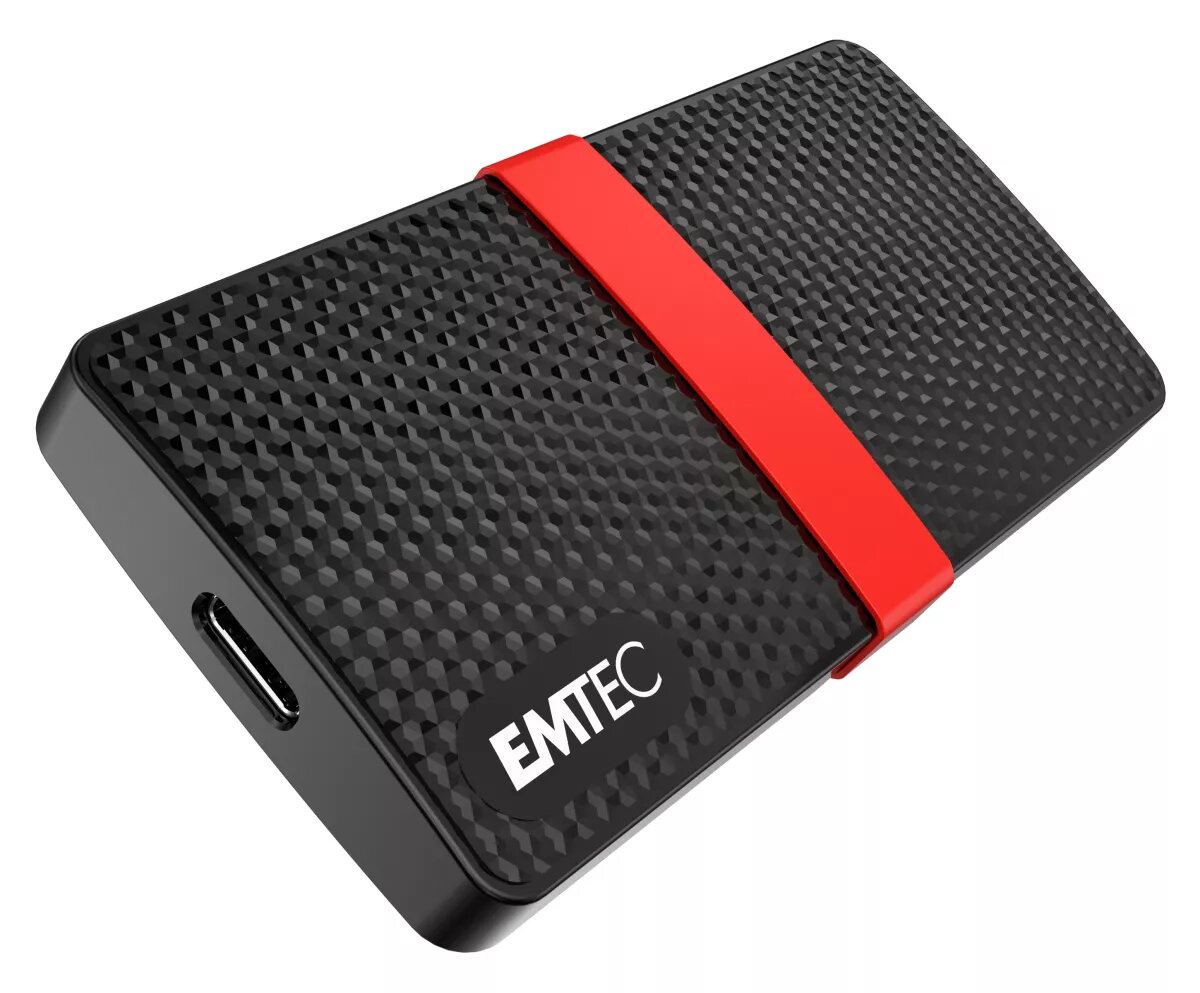
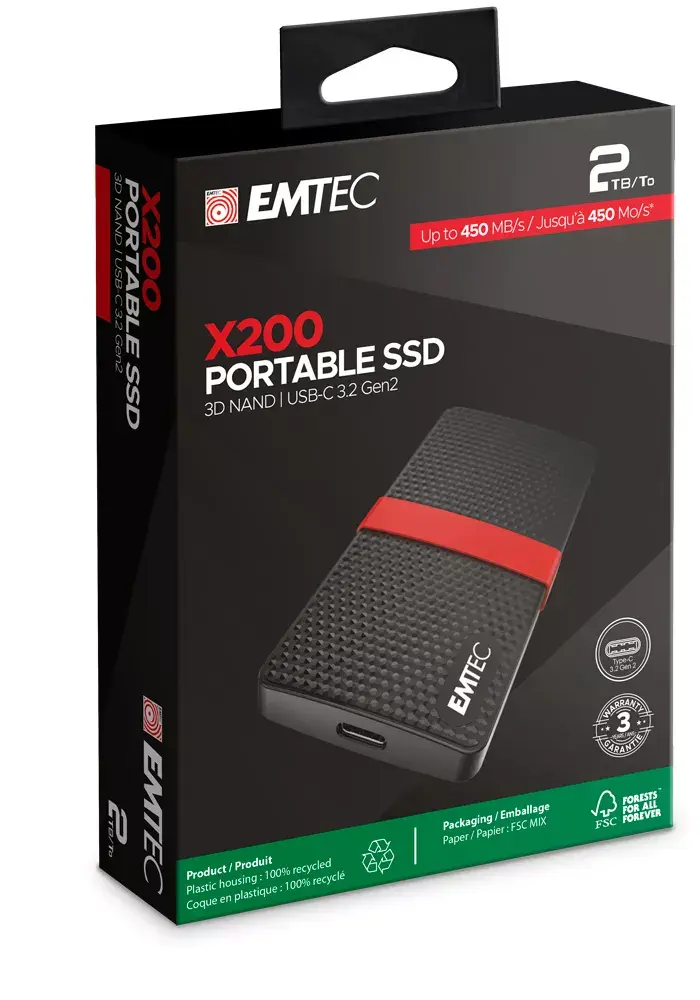
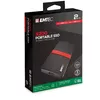
EMTEC X200 Portable Solid State Drive 2 TB USB Type-C 3.2 Gen 1 Black 3D NAND Flash Memory 450 MB/s Read Speed
EMTEC X200 Portable Solid State Drive 2 TB USB Type-C 3.2 Gen 1 Black 3D NAND Flash Memory 450 MB/s Read Speed
Short description
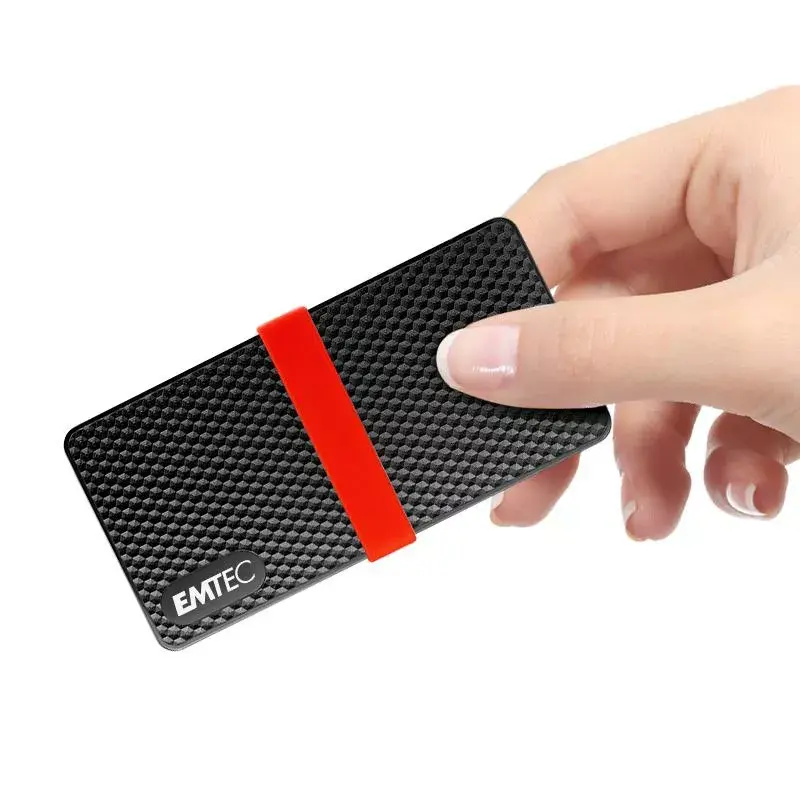
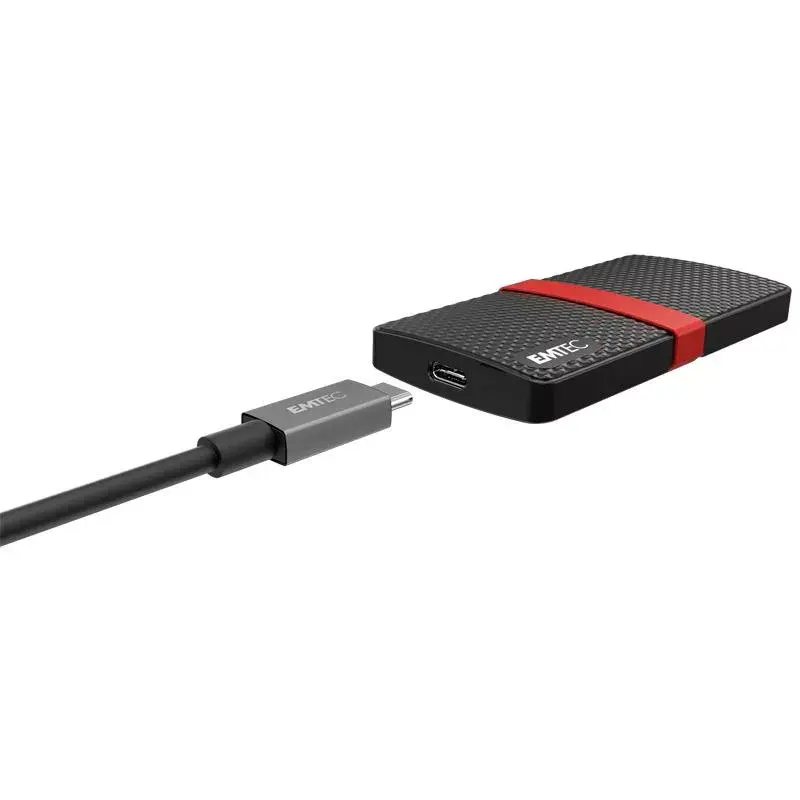
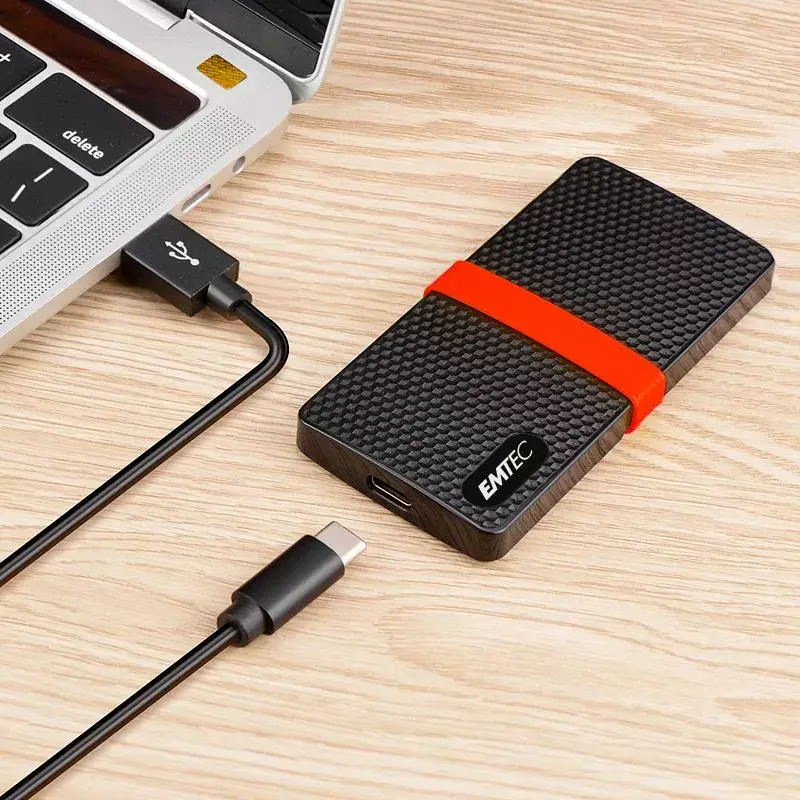
The EMTEC X200 portable solid state drive offers 2 TB of reliable external data storage featuring a 3D NAND flash memory architecture. Equipped with a USB Type-C interface and USB 3.2 Gen 1 connectivity, it delivers data transfer rates up to 5 Gbit/s with read speeds reaching 450 MB/s. Designed in a compact black enclosure, this external storage solution is ideal for fast file backups, media storage, and quick data access on laptops and desktop computers.

Cheapest delivery:
Unisend LV
Unisend LV
1.99 €
{{selectedOffer.parcelStationDeliveryString}}

pay in 3 equal parts


