
Save time and money with our discounts!

{{ totalProductsCount }}
In cart {{totalProductsCount}} item(s)
In cart {{totalProductsCount}} item(s)
Total:
{{sum | formatAmount}}
Your cart is empty
Car Accessories & Goods
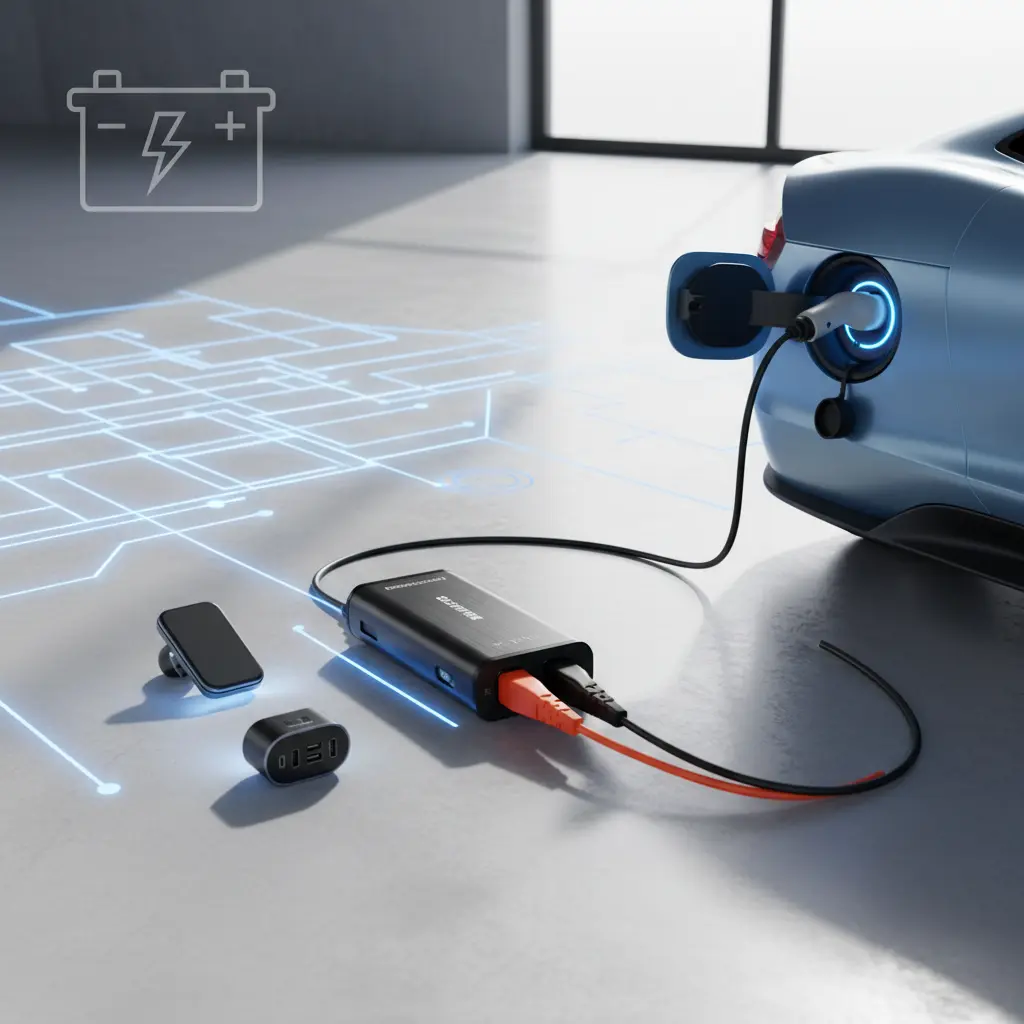




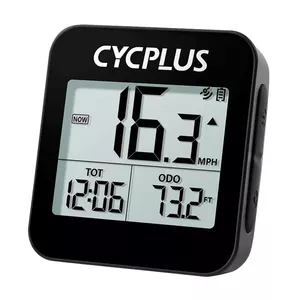



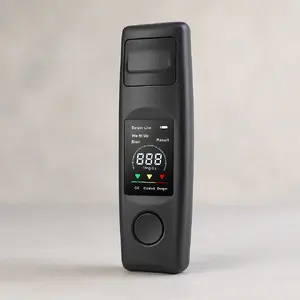
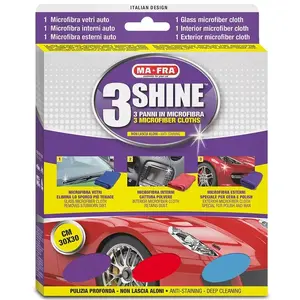
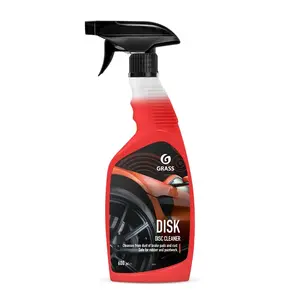
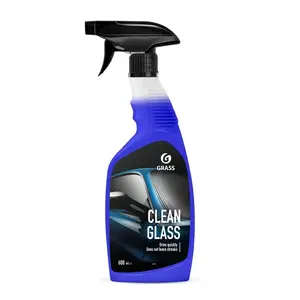

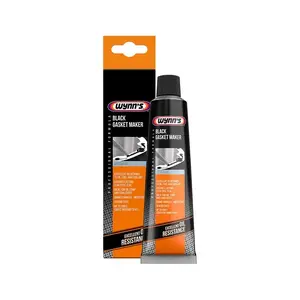

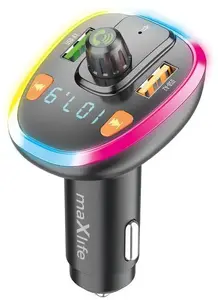







Car goods are a range of accessories, consumables, and small equipment designed to support the use, maintenance, comfort and safety of passenger vehicles. These products include interior and exterior accessories, care and cleaning supplies, replacement parts for routine maintenance, emergency and safety items, and tools for minor repairs and adjustments. Car goods are used by private vehicle owners, professional drivers, and automotive technicians to perform regular maintenance, improve functionality, protect surfaces, and respond to unexpected roadside situations. Customers typically select these items when they need to replace worn components, prepare a vehicle for seasonal conditions, enhance convenience or organization inside the cabin, or maintain a vehicle’s appearance and performance between service visits. Selection is driven by vehicle compatibility, product specifications, durability and intended use, as well as by legal and safety requirements for items such as warning triangles, first aid kits and tyre repair supplies.
Types of Car goods
Common categories of car goods cover a range of uses and form factors. Typical groups include:
- Interior accessories: seat covers, floor mats, organisers, sunshades, and steering wheel covers.
- Exterior accessories: mud flaps, roof racks, car covers, and mirror protectors.
- Care and cleaning: shampoos, waxes, polishes, microfiber cloths, and interior cleaners.
- Maintenance consumables: filters, bulbs, wiper blades, fluids and cleaning agents.
- Emergency and safety: first aid kits, warning triangles, reflective vests, fire extinguishers, and jump leads.
- Tools and repair kits: tyre repair kits, basic tool sets, battery chargers, and diagnostic adapters.
What are Car goods used for?
Car goods serve practical functions to keep a vehicle operational, clean and comfortable. They are used for routine upkeep such as replacing worn wiper blades, refreshing fluids, or changing bulbs. Cleaning and protection products preserve paint, fabrics and trims and reduce wear. Accessories add convenience or utility, for example organisers that improve storage or roof racks that increase cargo capacity. Emergency items and repair kits provide immediate response options for roadside breakdowns, flat tyres or battery failures. Some products also help meet legal requirements for safety equipment in certain jurisdictions.
Key Differences between Car goods
Differences among car goods arise from materials, compatibility, performance and certification. Materials affect durability and appearance — for instance rubber mats versus carpet mats. Compatibility includes vehicle make, model and year, as well as electrical or mounting interfaces for electronic accessories. Performance differences appear in items like cleaning chemicals (pH, abrasiveness), battery chargers (current and charging modes), and tyre repair kits (temporary versus permanent solutions). Safety items may differ by certification or compliance with local regulations. Price and brand can indicate differences in warranty, expected lifespan and included components.
How to Choose Car goods?
Choosing appropriate car goods involves checking compatibility, intended use, quality indicators and regulatory requirements. Follow the vehicle manufacturer’s specifications for parts and consumables such as bulbs or fluids. For accessories, verify measurements and mounting methods to ensure proper fit. Examine material specifications and user reviews to assess durability and ease of maintenance. For safety and emergency items, confirm required certifications and expiry dates where applicable. Compare technical data such as capacity, power ratings or chemical composition, and prefer items with clear instructions and warranty information.


