Dreame vacuums for fast and efficient cleaning!

{{ totalProductsCount }}
In cart {{totalProductsCount}} item(s)
In cart {{totalProductsCount}} item(s)
Total:
{{sum | formatAmount}}
Your cart is empty
Anti‑Theft Protection
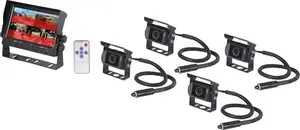
Hijack protection refers to devices and systems designed to prevent, deter, or mitigate unauthorized takeover of vehicles, equipment, or access points. These products are used by fleets, commercial operators, and individuals to protect drivers, cargo, and assets from forced or covert vehicle seizure, remote takeover, or access-based attacks. Typical use cases include highway or roadside hijack attempts, carjacking prevention, secure immobilization during suspicious stops, and protection of high-value transport. Users select hijack protection when there is a need for physical or electronic countermeasures that operate quickly, reliably, and with minimal disruption to normal vehicle functions.
Types of hijack protection
Common categories of hijack protection include mechanical, electronic, and integrated systems. Mechanical options provide physical barriers or locks, electronic systems offer alarm, immobilizer, and remote-control features, and integrated solutions combine sensors, communication modules, and vehicle control interfaces.
- Mechanical locks and steering-wheel immobilizers
- Vehicle immobilizers and kill-switches (manual and automatic)
- Alarm systems with tamper and vibration detection
- GPS-based tracking with geofencing and movement alerts
- Remote shutoff and engine-disabling modules
- Integrated telematics with panic buttons and two-way communication
What are hijack protection used for?
Hijack protection is used to reduce the risk of unauthorized vehicle or asset seizure and to provide options for safe response. These systems are chosen to delay or prevent an attacker from operating a vehicle, alert owners or operators to suspicious activity, enable monitoring of vehicle location, and allow authorized remote intervention when appropriate. They are also used to comply with safety protocols in high-risk operations and to add layers of security for valuable cargo or personnel transport.
- Preventing vehicle theft and carjacking
- Allowing remote immobilization when an asset is compromised
- Providing real-time alerts to operators and dispatch centers
- Supporting safe procedures during stops or suspicious events
- Recording and logging events for post-incident analysis
Key Differences between hijack protection
Differences between products are based on mechanism (mechanical vs electronic), level of integration, response speed, and required user interaction. Mechanical devices are simple and reliable but may be bypassable; electronic systems can offer remote control and monitoring but depend on power and connectivity. Integrated telematics provide the most features, including location tracking and two-way communication, but typically cost more and require professional installation.
- Operational principle: physical barrier, electronic immobilization, or combined
- Dependence on power and network connectivity
- Installation complexity and need for professional fitting
- Response time and ability to perform remote actions
- Data reporting, logging, and integration with dispatch systems
How to Choose hijack protection?
Selection should be based on risk assessment, vehicle type, operational needs, and regulatory requirements. Consider the threat level, whether remote monitoring or local-only protection is needed, and the importance of rapid intervention or forensic logging. Factor in installation requirements, maintenance, compatibility with existing vehicle systems, and total cost of ownership.
- Assess risks: routes, cargo value, and historical incident data
- Decide on required features: immobilization, tracking, panic button, or alarms
- Check compatibility with vehicle make, model, and existing electronics
- Evaluate power, connectivity, and backup options for reliability
- Consider installation, maintenance, and professional support availability

14-Day Return Policy
We are confident in our quality, but if the purchase doesn’t fit — you have 14 days to return the product with peace of mind.

Fast Delivery
Get your orders as quickly as possible — right to your door, parcel lockers, or pickup points across Latvia and the EU.

Secure Payment
Pay the way you prefer: cash, VISA, MasterCard, Apple Pay, Google Pay, bank transfer, or 0% installment plan.

Quality Since 2008
AiO.lv has been on the market for over 18 years and has earned trust — with more than 6000 genuine positive reviews on Google.