


Add to wish listAdd to AI comparison

SamsungDelivery: 01.12.2026
Rechargeable Lithium-ion 18650 Battery Samsung INR18650-25R 3.7V 2500mAhDelivery: 01.12.2026
6.00 €
Add to cart

Necessary cookies enable the site’s essential functions, including authentication and security, saving the shopping cart, placing orders, selecting a language, and retaining other user settings. They are always active because the site cannot work correctly without them. These cookies are not used for analytics or advertising.
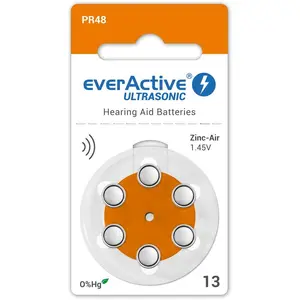
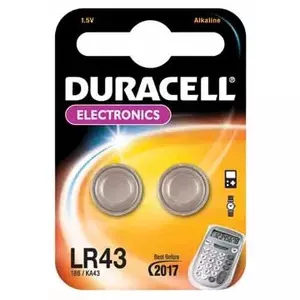
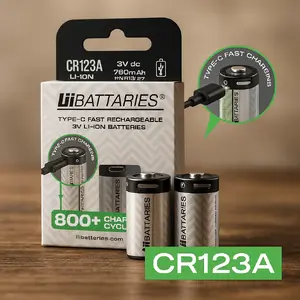
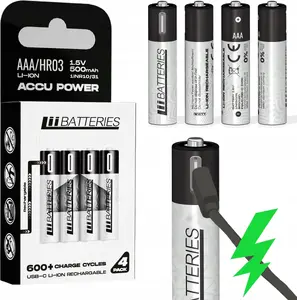
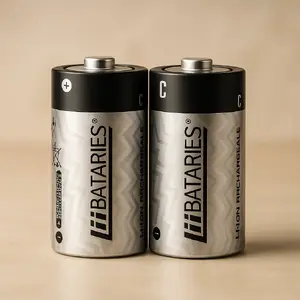
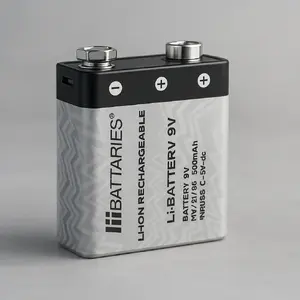
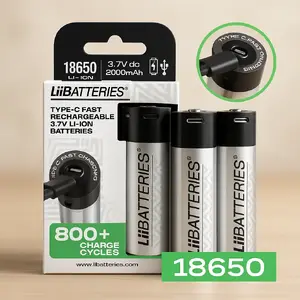
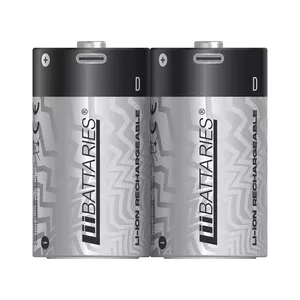
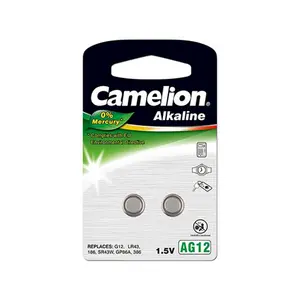
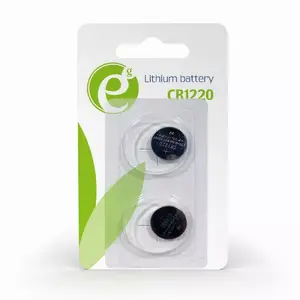
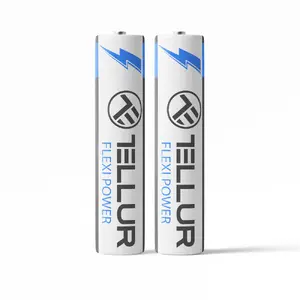
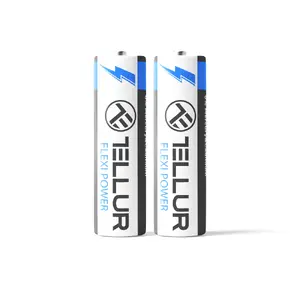
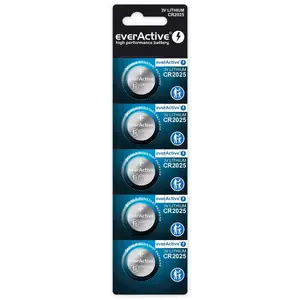
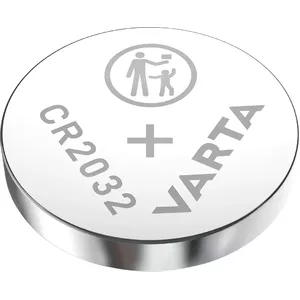
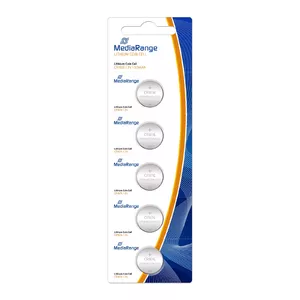

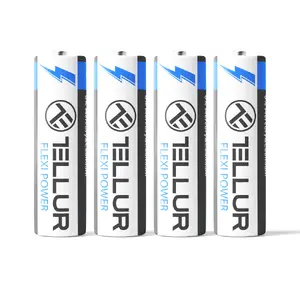
Batteries are electrochemical devices that store and release electrical energy for portable and stationary applications. They include single-use and rechargeable cells in a range of sizes and chemistries, designed to power devices from small electronics to larger equipment. Buyers choose batteries based on required voltage, capacity, dimensions, and operating conditions such as temperature and discharge rate. Proper selection depends on device specifications, expected runtime, and whether rechargeability or long-term storage is needed. Batteries are used when a portable, reliable source of electricity is required or when a backup power source is necessary.
Common types of batteries vary by chemistry, size and purpose. Each type has distinct electrical characteristics and use cases.
Batteries supply electrical power where mains electricity is unavailable, impractical, or as a backup. They are used in portable electronics, remote controls, toys, flashlights, medical devices, measurement instruments, and wireless sensors. Larger battery types serve automotive starting, stationary backup for telecom and data centers, uninterruptible power supplies, and renewable energy storage. Batteries are chosen for mobility, convenience, emergency power, or to enable electrical operation in constrained locations.
Key differences include chemistry, voltage, capacity (mAh or Ah), cycle life, self-discharge rate, size, weight, and cost. Chemistry determines nominal voltage and performance under load; for example, alkaline cells typically provide 1.5 V, NiMH 1.2 V, and Li-ion about 3.6–3.7 V per cell. Rechargeable batteries have a limited number of charge cycles and higher upfront cost but lower long-term cost for frequent use. Self-discharge affects storage life: lithium primary batteries have low self-discharge, while some rechargeable chemistries lose charge faster. Physical size and terminal type must match device requirements.
Select batteries by matching device specifications and expected use. Start with the required size and voltage printed on the device or in the manual. Consider capacity (mAh/Ah) for desired runtime and choose rechargeable vs single-use based on frequency of replacement and cost-effectiveness. Check operating temperature range and discharge rate for the intended application (high-drain vs low-drain). For safety and compatibility, follow manufacturer recommendations, verify terminal type and polarity, and dispose of batteries or recycle them according to local regulations.
Order online at AiO.lv at a good price, with delivery across Latvia and to other EU countries. We deliver to Riga, Daugavpils, Liepāja, Jūrmala, Ventspils and other cities. We offer products from leading manufacturers.

We are confident in our quality, but if the purchase doesn’t fit — you have 14 days to return the product with peace of mind.

Get your orders as quickly as possible — right to your door, parcel lockers, or pickup points across Latvia and the EU.

Pay the way you prefer: cash, VISA, MasterCard, Apple Pay, Google Pay, bank transfer, or 0% installment plan.

AiO.lv has been on the market for over 18 years and has earned trust — with more than 6000 genuine positive reviews on Google.