Powerful EcoFlow stations for energy anywhere!

{{ totalProductsCount }}
In cart {{totalProductsCount}} item(s)
In cart {{totalProductsCount}} item(s)
Total:
{{sum | formatAmount}}
Your cart is empty
Home & Renovation

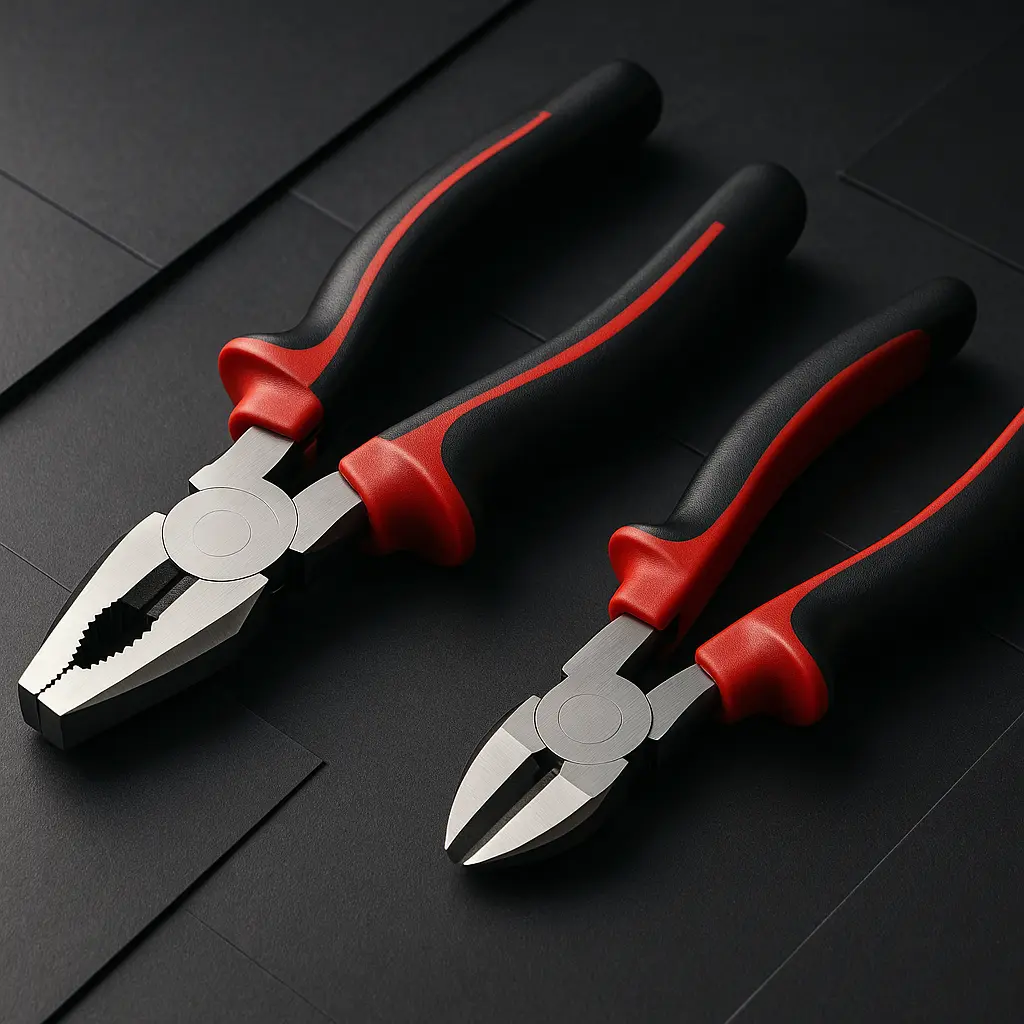





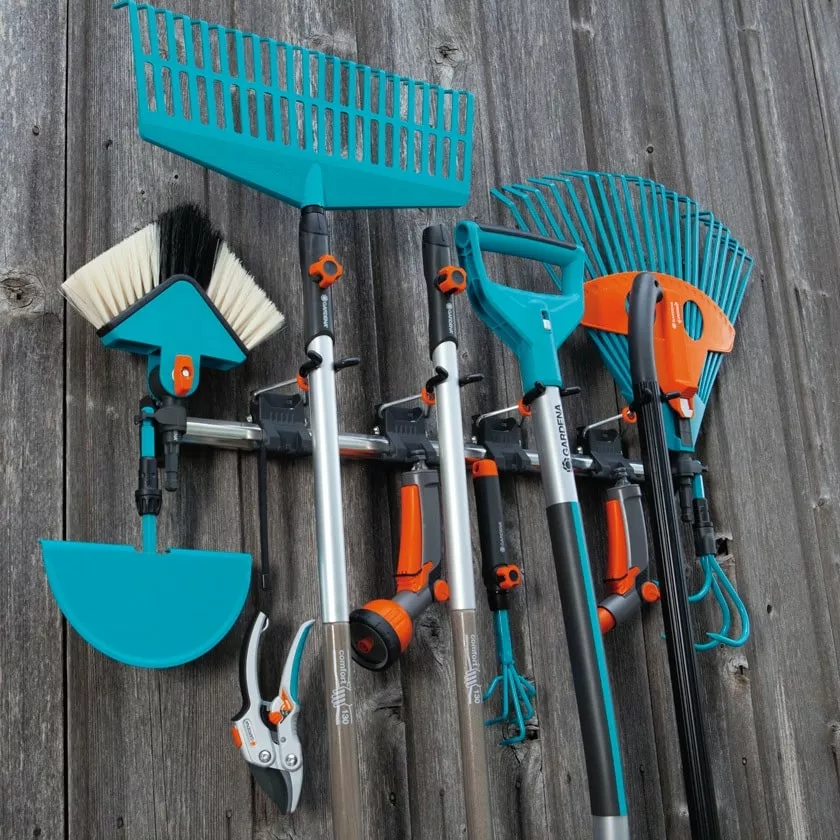
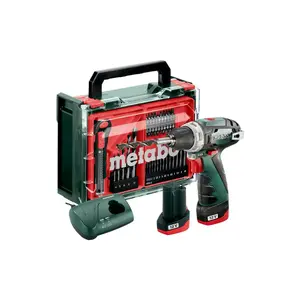
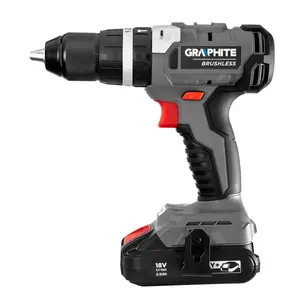
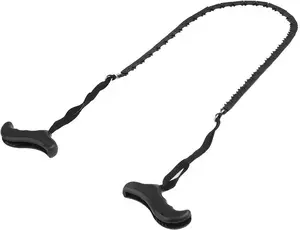
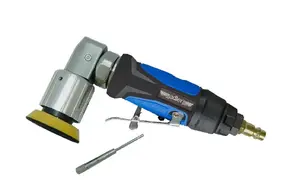
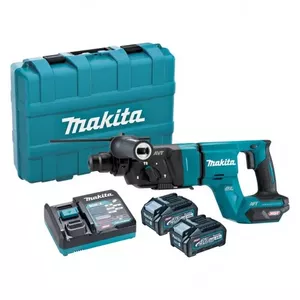
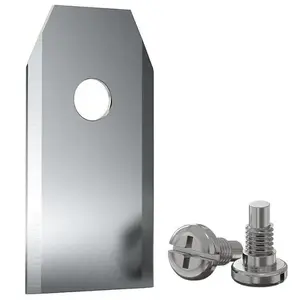
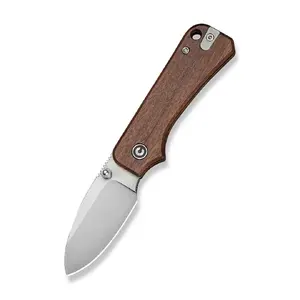
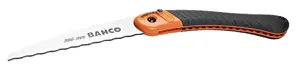
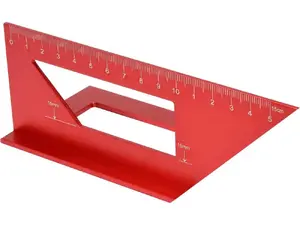


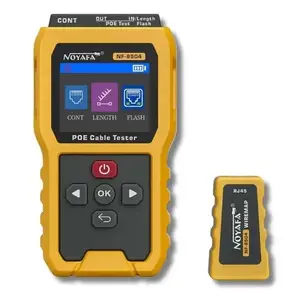

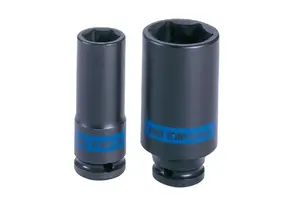
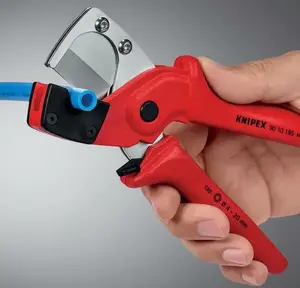
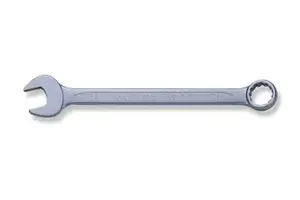
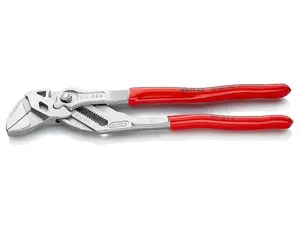

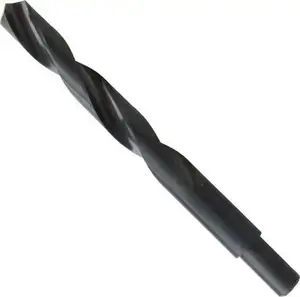
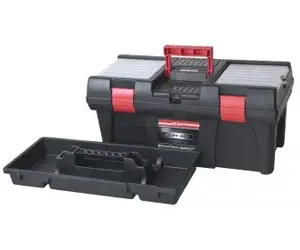
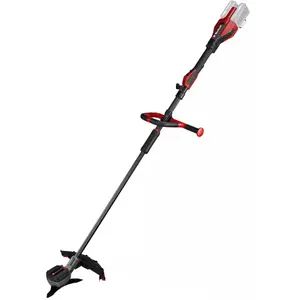

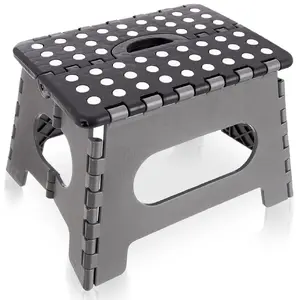


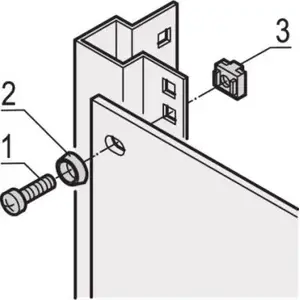

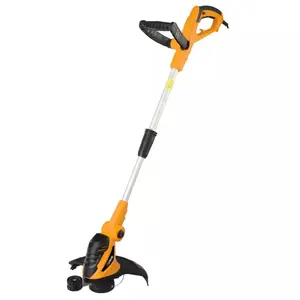
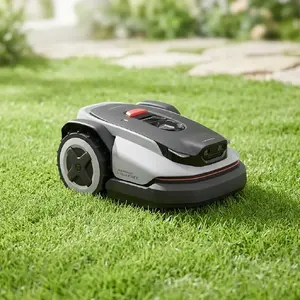
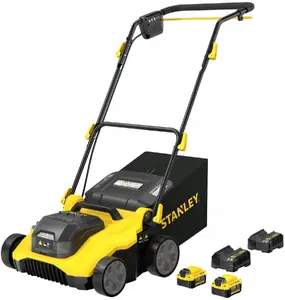
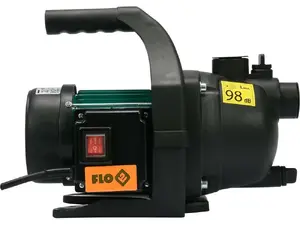
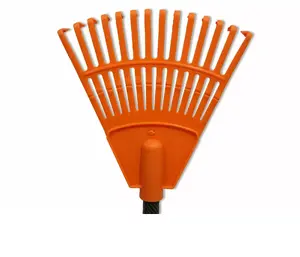
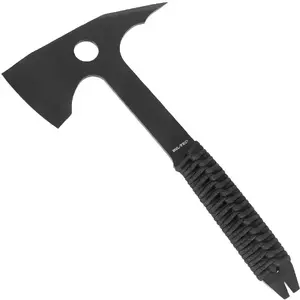
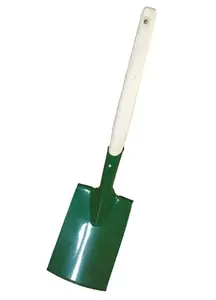


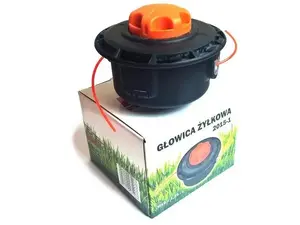
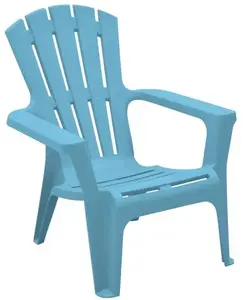
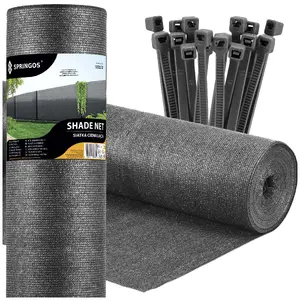
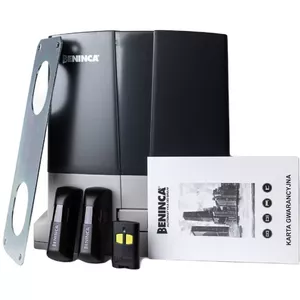


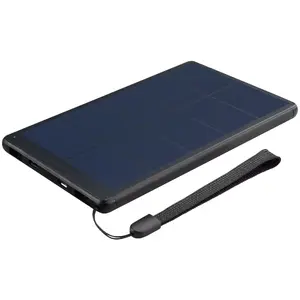
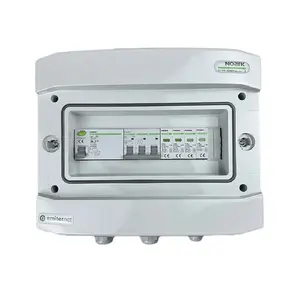
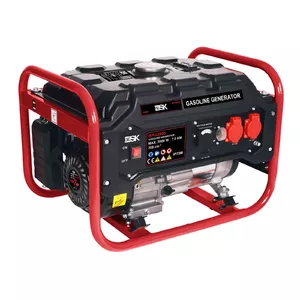


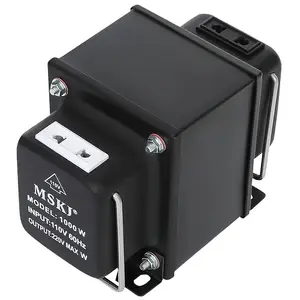
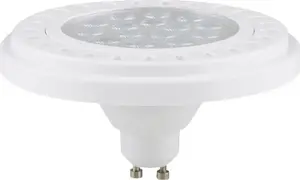

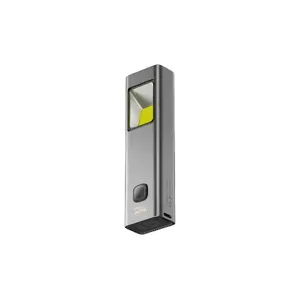
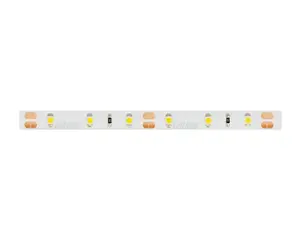


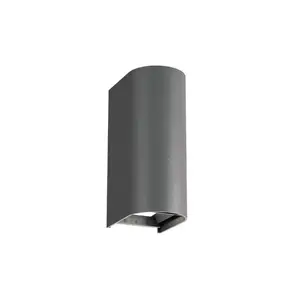
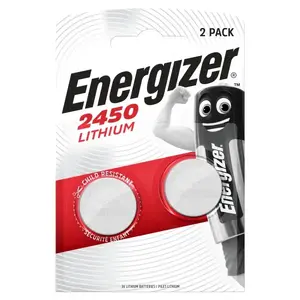
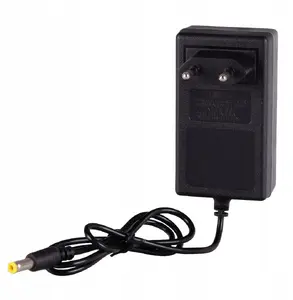
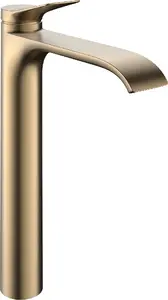
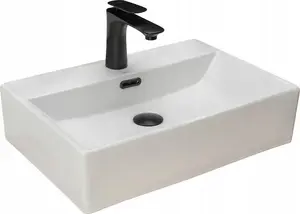
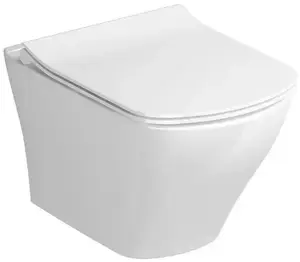
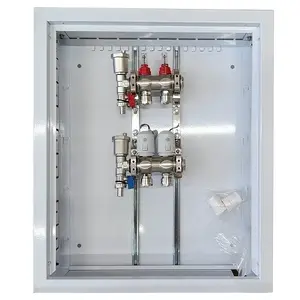
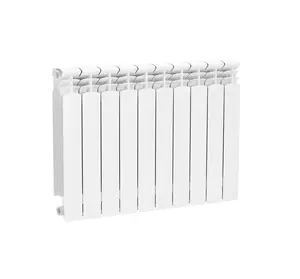
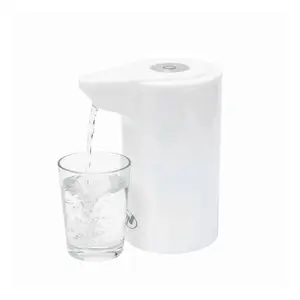

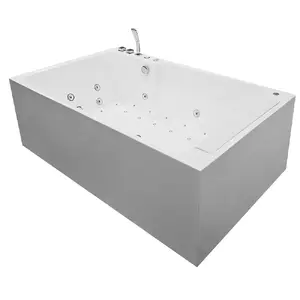

Home and Repair covers tools, materials, and consumables used for maintaining, renovating, and improving residential and small commercial properties. This category includes hand tools, power tools, fasteners, adhesives, paints, plumbing and electrical supplies, safety equipment, and measuring instruments. Products in this category are chosen for tasks such as routine maintenance, minor repairs, installations, and do‑it‑yourself projects, and they are selected based on the specific task, material compatibility, and safety considerations. Home and Repair items are used by homeowners, tenants, property managers, and professional tradespeople when addressing issues like leaks, loose fixtures, worn finishes, or outdated fittings. Typical scenarios include repairing drywall, replacing valves, installing shelving, painting rooms, and upgrading lighting or flooring components.
Types of Home and Repair
The category contains several distinct product groups commonly used in building upkeep and small renovation works:
- Hand tools: screwdrivers, hammers, pliers, wrenches, utility knives.
- Power tools: drills, saws, sanders, and multi‑tools with corded or cordless options.
- Fasteners and fixings: screws, bolts, anchors, nails, and wall plugs.
- Finishing materials: paints, primers, varnishes, sealants, and caulks.
- Plumbing supplies: pipes, fittings, valves, tape, and sealants for water systems.
- Electrical supplies: cables, switches, sockets, circuit protection, and connectors.
- Safety and PPE: gloves, goggles, masks, ear protection, and work boots.
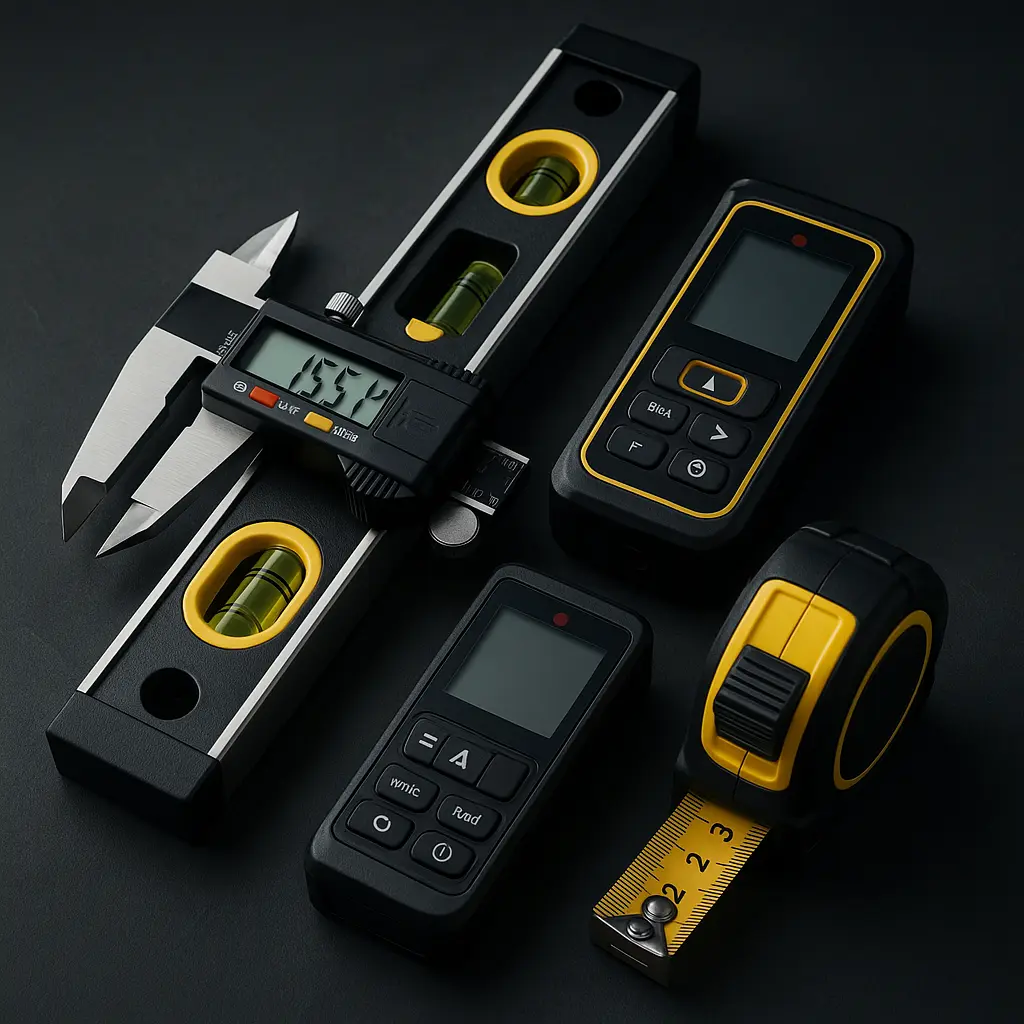
- Measuring and layout: tape measures, levels, laser distance meters, and stud finders.
What are Home and Repair used for?
Home and Repair products are used to diagnose, fix, or upgrade building elements and household systems. They allow users to perform preventative maintenance, restore function after damage, and improve the durability or appearance of surfaces and installations. Typical uses include fastening and joining materials, cutting and shaping components, sealing joints against moisture, restoring painted or varnished surfaces, replacing worn mechanical parts, and installing or modifying electrical and plumbing fixtures. Many items are suitable for small projects executed by non‑professionals, while others are intended for skilled trades and larger renovations.
Key Differences between Home and Repair
Differences within this category arise from intended use, required skill level, and technical specifications. Hand tools are generally low‑complexity and suitable for everyday tasks; power tools increase speed and capability but require safety precautions and sometimes specific accessories. Materials differ by durability and application: indoor paints, exterior coatings, and moisture‑resistant sealants are formulated for different conditions. Electrical and plumbing components must meet relevant safety and compatibility standards. Products also vary by size, power source, material compatibility, and longevity, which affects suitability for temporary fixes versus long‑term solutions.
How to Choose Home and Repair?
When selecting items, first define the task, the material you will work with, and local safety or building requirements. Consider the tool’s specifications (power, torque, battery type), material properties (water resistance, heat tolerance, adhesion), and certifications or compliance for electrical and plumbing parts. Match fasteners and anchors to substrate type (drywall, concrete, wood). For paint and finish products, check coverage, drying time, and recommended surface preparation. Choose personal protective equipment appropriate for the hazard. Finally, balance durability and cost: reusable, higher‑quality tools often offer better long‑term value for frequent tasks, while basic consumables suit occasional maintenance.


