Save time and money with our discounts!

{{ totalProductsCount }}
In cart {{totalProductsCount}} item(s)
In cart {{totalProductsCount}} item(s)
Total:
{{sum | formatAmount}}
Your cart is empty
Car Electronics
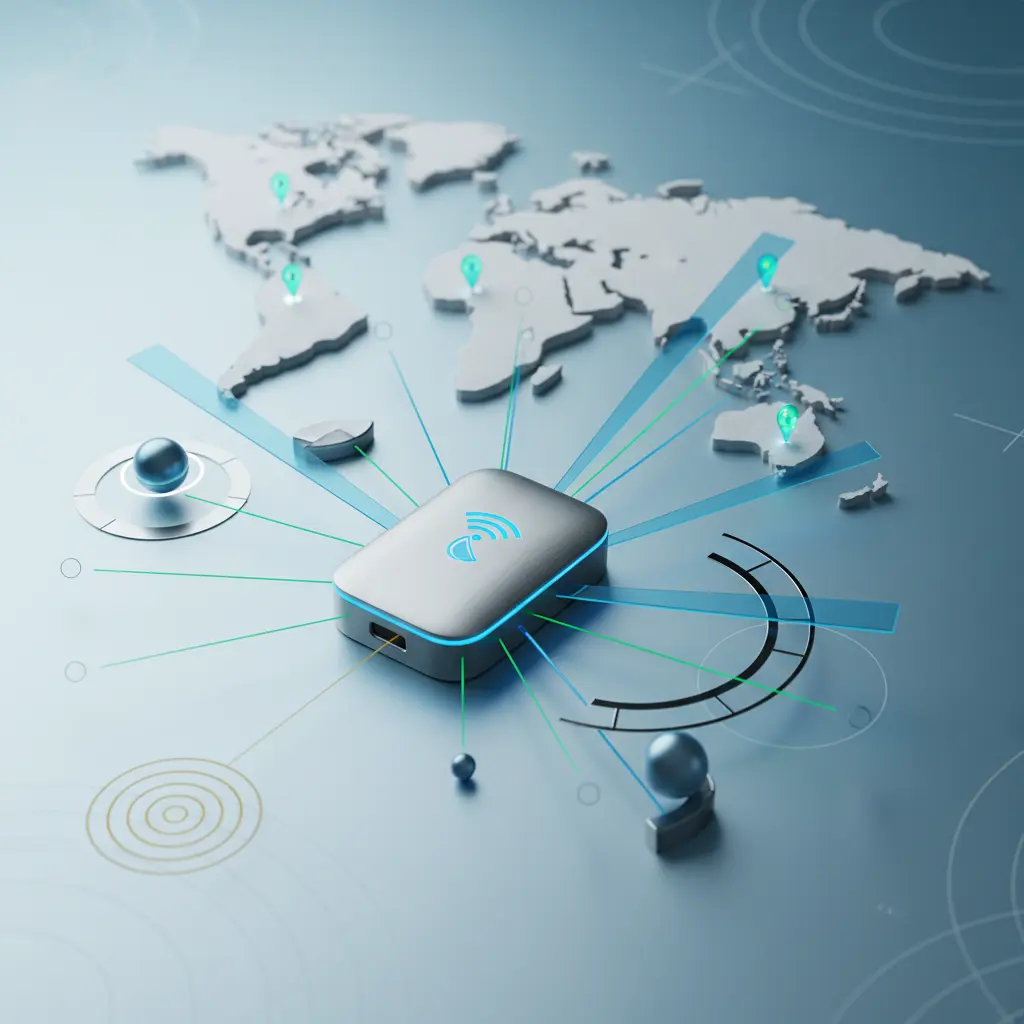
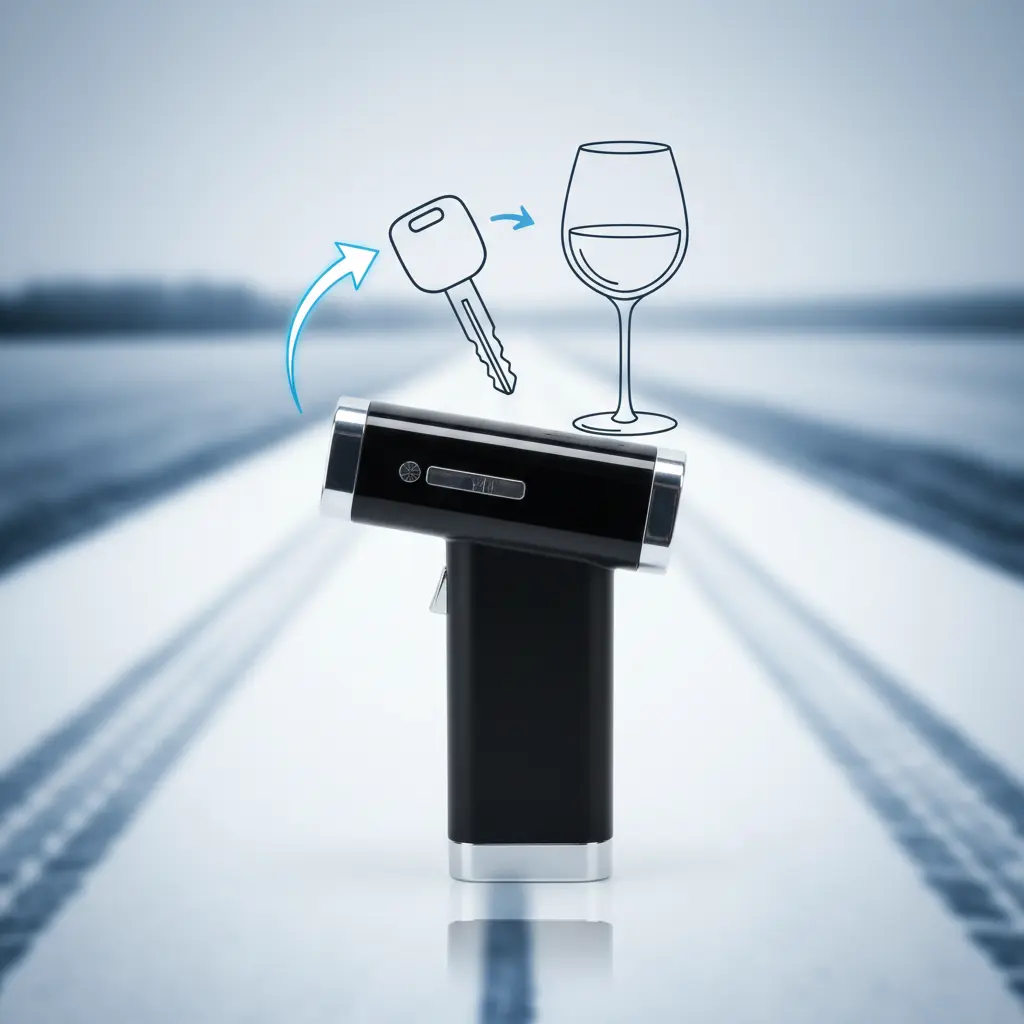
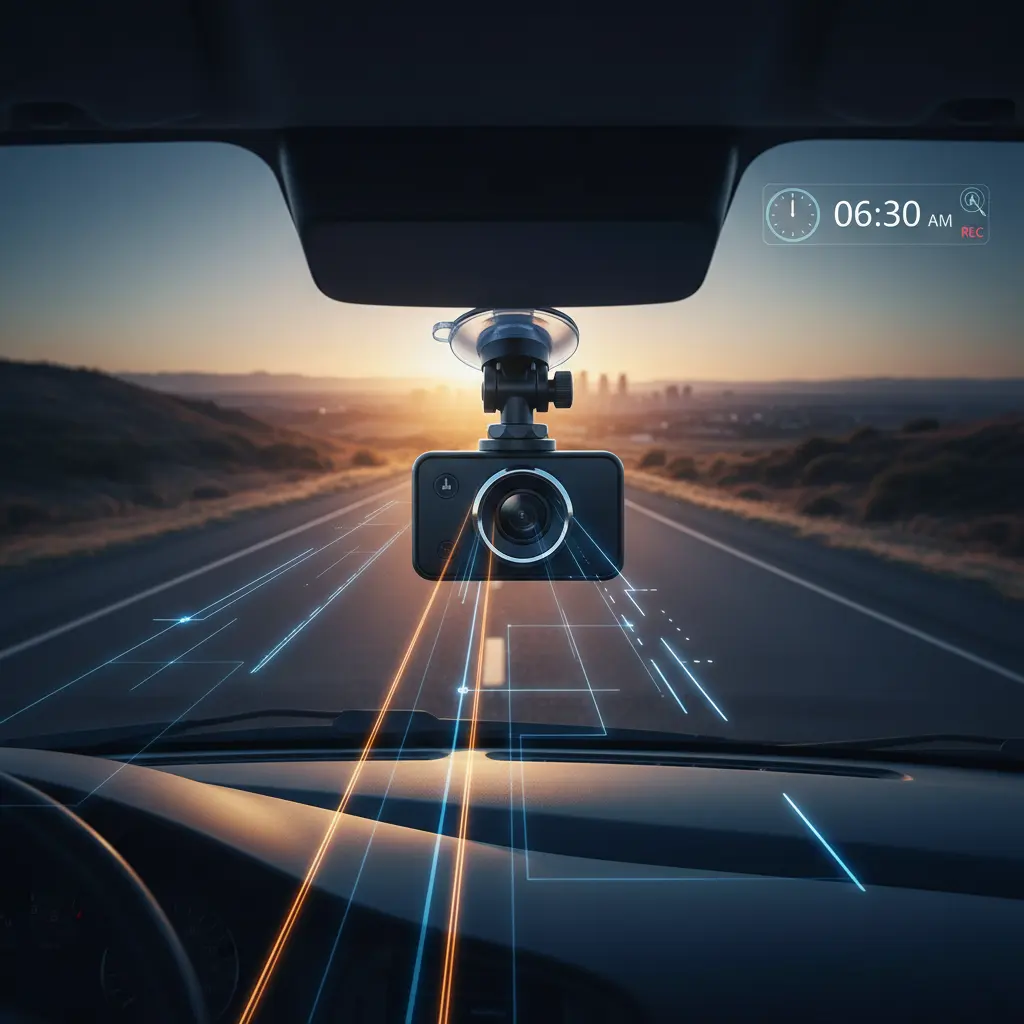
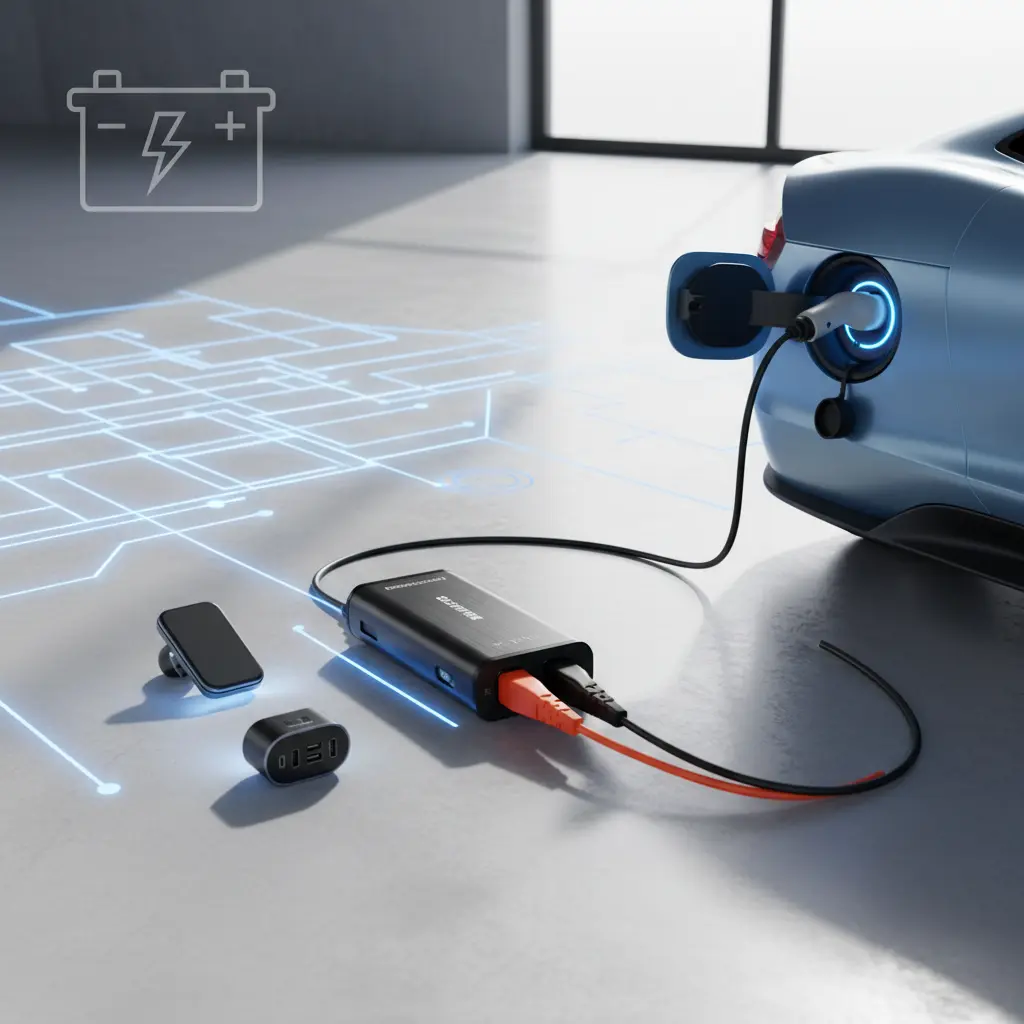
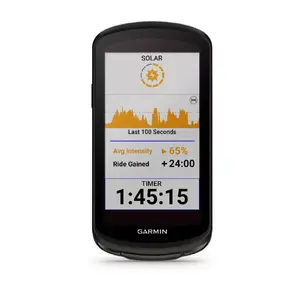
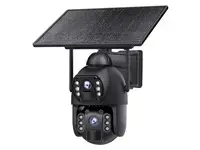
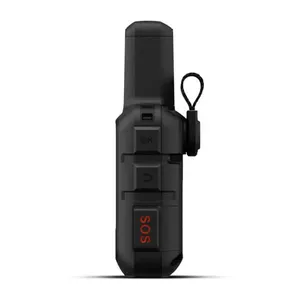
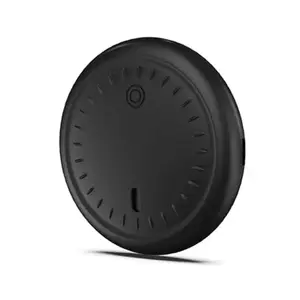
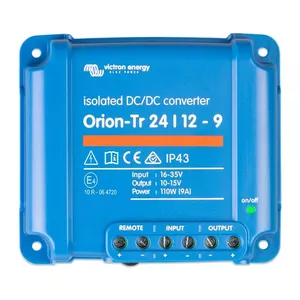
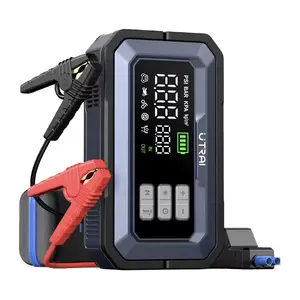
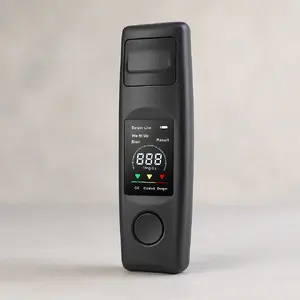
Auto Electronics refers to electronic devices and systems designed for installation in vehicles to support navigation, communication, safety, entertainment, monitoring and vehicle maintenance tasks. These products range from simple accessories to integrated modules that interface with a vehicle’s power supply, sensors and data buses. They are used by private drivers, fleet managers and vehicle technicians to add functionality, improve convenience, and enable data collection without altering core mechanical systems. Auto Electronics are chosen for upgrades, repairs, or when adding specific capabilities such as route guidance, hands-free calling, dash recording, or tire-pressure monitoring.
Types of Auto Electronics
Common types include a variety of on-board and add-on units suited to different vehicle models and user needs.
- Car stereos and head units — audio systems, touchscreens and multimedia receivers.
- GPS navigation units and infotainment systems — map-based routers and connected platforms.
- Dash cameras and interior cameras — forward, rear and cabin recording devices.
- Parking sensors and reversing cameras — ultrasonic sensors and video aids for parking.
- Vehicle trackers and telematics devices — GPS trackers and OBD telematics modules.
- Hands-free and Bluetooth kits — wireless calling and audio streaming modules.
- Alarm systems and immobilizers — theft-deterrent electronics and remote control devices.
- TPMS and tire-pressure sensors — monitoring systems for tire pressure and temperature.
- Power converters and inverters — DC–DC converters, voltage stabilizers and power supplies.
What are Auto Electronics used for?
Auto Electronics are used to add or restore electronic functionality in vehicles, to improve driver awareness, safety and convenience, and to collect operational data. Use cases include navigation and route planning, hands-free communication, multimedia playback, video recording for incident evidence, remote vehicle tracking, remote diagnostics, and automated alerts for maintenance or security events. Many devices also integrate with vehicle systems to display real-time data such as speed, engine status or sensor readings.
Key Differences between Auto Electronics
Differences among products are based on compatibility, functionality, installation method and data interfaces. Important distinguishing factors include supported vehicle models and communication protocols (CAN, LIN, OBD), the presence of built-in maps or subscription services, recording resolution for cameras, wireless standards (Bluetooth, Wi‑Fi), power requirements and weatherproofing ratings. Software features such as firmware updates, app integration and cloud services also vary and affect long-term usability.
How to Choose Auto Electronics?
Selecting the right Auto Electronics requires matching device capabilities to vehicle compatibility and intended use. Consider electrical interface and mounting options, supported communication protocols, regulatory compliance and safety standards, and whether professional installation is recommended. Evaluate technical specifications like camera resolution, GPS accuracy, wireless range, storage options and power consumption. Check software update policies and warranty terms, and confirm that connectors, dimensions and adapters are suitable for the specific vehicle model.


