Powerful EcoFlow stations for energy anywhere!

{{ totalProductsCount }}
In cart {{totalProductsCount}} item(s)
In cart {{totalProductsCount}} item(s)
Total:
{{sum | formatAmount}}
Your cart is empty
Cartridges & Refills
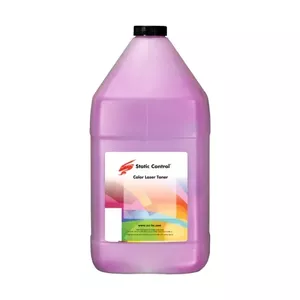
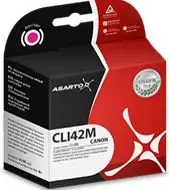
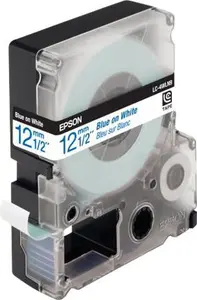
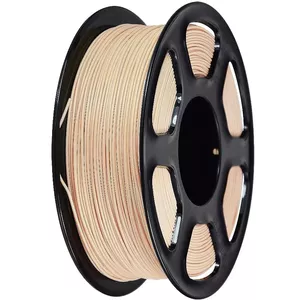
Supplies are consumable and accessory items used to support routine tasks in offices, schools, workshops, healthcare facilities, and homes. They include a wide range of products designed for specific equipment or manual processes, such as writing, printing, cleaning, packaging, and basic maintenance. Organizations and individuals select supplies to maintain productivity, ensure hygiene, protect equipment, and complete administrative or operational workflows. Typical scenarios for choosing supplies include restocking for daily use, preparing for projects or events, replacing worn or depleted items, and standard preventive upkeep. Selection often depends on compatibility with existing tools, frequency of use, budget constraints, and required performance or safety standards.
Types of Supplies
The category encompasses multiple product groups and formats that serve different functions.
- Writing and stationery: pens, pencils, markers, notebooks, sticky notes, and folders.
- Printing and imaging: ink cartridges, toner, photo paper, labels, and maintenance kits.
- Packaging and shipping: boxes, tape, bubble wrap, mailers, and labels.
- Cleaning and janitorial: disinfectants, wipes, paper towels, trash bags, and gloves.
- Office accessories and hardware: staplers, clips, organizers, batteries, and calculators.
- Workshop and maintenance: abrasives, adhesives, lubricants, replacement parts, and safety gear.
What are Supplies used for?
Supplies enable completion of routine tasks, upkeep of equipment, and implementation of workflows across sectors. They are used for recording and communicating information, producing and finishing printed materials, protecting and packing goods for transport, maintaining cleanliness and safety, and supporting small repairs or technical maintenance. In educational and professional settings supplies facilitate learning, documentation, and administrative processes. In technical and industrial contexts they support production readiness, preventive maintenance, and compliance with safety procedures.
Key Differences between Supplies
Supplies differ by material composition, intended application, compatibility, durability, and regulatory requirements. Consumables like ink or paper are measured by yield and quality standards, while protective items are rated for barrier performance or safety certifications. Size, format, and connector types determine compatibility with specific equipment. Environmental properties — such as recyclability or chemical content — affect disposal and regulatory handling. Price often reflects brand, quality, and expected lifespan; some items are single-use while others are refillable or reusable.
How to Choose Supplies?
Select supplies by matching product specifications to your equipment and task requirements, then consider usage frequency and budget. Verify compatibility codes, sizes, and performance ratings for devices like printers or tools. Check material and safety data where chemical or protective performance matters. Estimate consumption rates to decide between bulk purchases or smaller quantities. Review product labels for environmental or certification claims if sustainability or regulatory compliance is important. When possible, keep a small buffer stock of essential items to avoid interruptions.


