A curated selection of maximum value offers!

{{ totalProductsCount }}
In cart {{totalProductsCount}} item(s)
In cart {{totalProductsCount}} item(s)
Total:
{{sum | formatAmount}}
Your cart is empty
Flash Memory Cards
Fast shipping
Excellent choice
Get it Today
Excellent choice
SANDISK
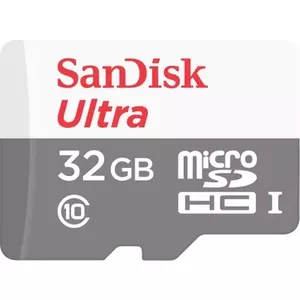
SanDisk SDSQUNR-032G-GN3MN 32 GB MicroSDHC Class 10 UHS-I Memory Card
Delivery: Today
14.49 €
Fast shipping
Get it Today
Excellent choice

SANDISK
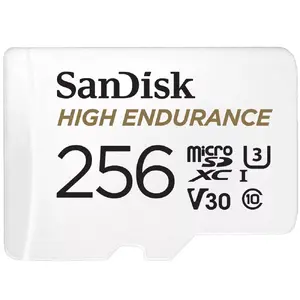
MicroSDXC SanDisk High Endurance 256GB UHS-I SDSQQNR-256G-GN6IA
Delivery: 03.11.2026
85.99 €
Fast shipping
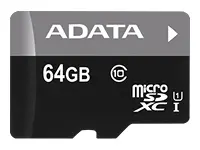
ADATA
MicroSDHC flash memory ADATA 64GB Class 10 UHS-I, read 85 MB/s, write 25 MB/s, includes SD adapter
Delivery: Tuesday
12.99 €
Get it Today
Get it Today
Excellent choice
Get it Today
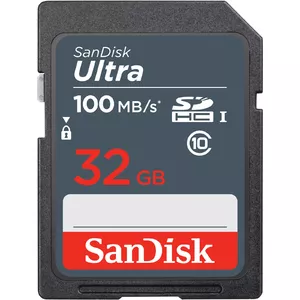
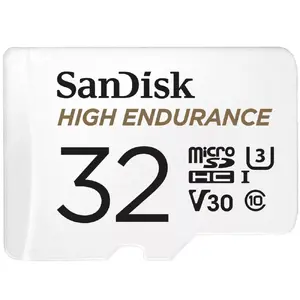
SANDISK
SanDisk High Endurance 32 GB MicroSDHC UHS-I Class 10 Memory Card with 100 MB/s Read and 40 MB/s Write Speed
Delivery: 12.11.2026
28.99 €
Fast delivery available
Excellent choice
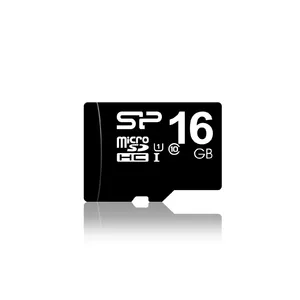
Silicon Power
MicroSDHC memory card Silicon Power 16GB Class 10 UHS-I U1 40 MB/s, waterproof, black
Delivery: Wednesday
9.49 €
You save: 2.00 €
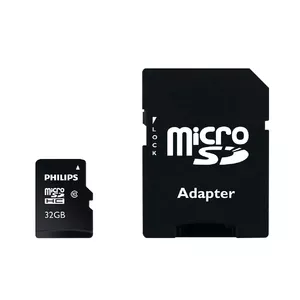
Philips
MicroSD card Philips 32GB interface FM32MP45B/10
Delivery: Wednesday
11.99 €
9.99 €
The discount is valid from 03.10.2026 to 31.10.2026
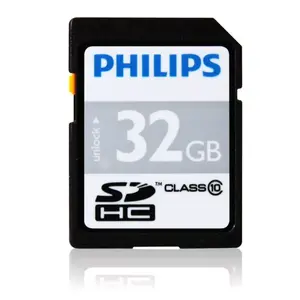
Fast delivery available
Excellent choice
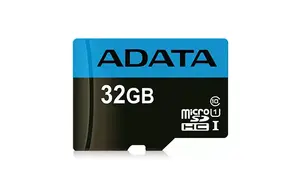
ADATA
MicroSDXC flash memory ADATA 32GB UHS‑I Class 10 (read 85 MB/s, write 25 MB/s) with SD adapter
Delivery: Wednesday
11.49 €
Fast shipping
Excellent choice
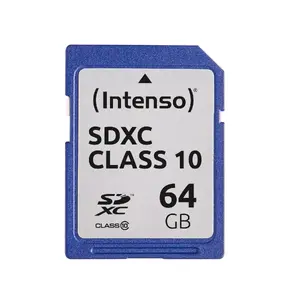
INTENSO
Memory card INTENSO SDXC 64 GB Class 10, 25 MB/s, shock‑ and temperature‑resistant
Delivery: Monday
12.99 €
You save: 1.50 €
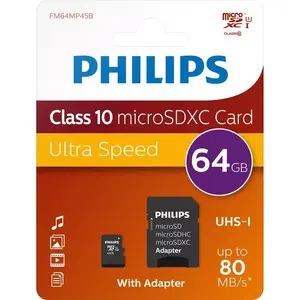
Philips
Memory Card Philips 64GB MicroSDHC UHS-I FM64MP45B/10
Delivery: Wednesday
15.49 €
13.99 €
The discount is valid from 03.10.2026 to 31.10.2026
Fast shipping
Excellent choice
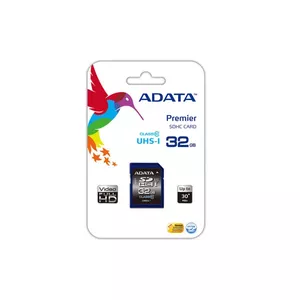
ADATA
Flash Card ADATA Premier SDHC UHS-I U1 Class10 32GB, Read 30MB/s, Write 10MB/s
Delivery: Tuesday
14.49 €
Fast shipping
Excellent choice
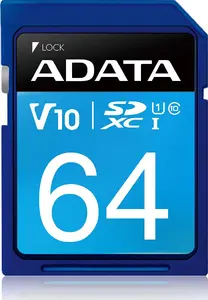
Fast shipping
Excellent choice
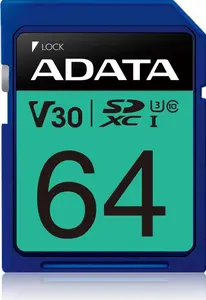
Excellent choice
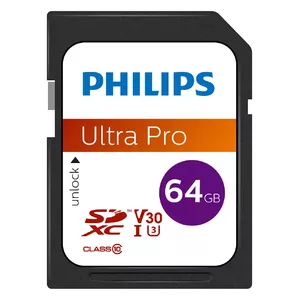
Flash memory refers to a class of non-volatile electronic storage that retains data without continuous power. These devices store binary information in integrated circuits using floating-gate or charge-trap technologies, and are commonly available as removable cards, USB drives, and embedded modules. Users select flash memory when they need portable, low-power storage for transferring files, expanding device capacity, or storing firmware and system data. Typical environments include consumer electronics, computers, cameras, mobile devices, embedded systems, and industrial equipment that require reliable read/write access and moderate durability. Performance, endurance, and form factor vary between products, so specific models are chosen based on capacity, speed, and compatibility with target devices.
Types of Flash memory
Common physical and logical types of flash memory include several standardized formats and internal modules used across devices.
- SD and microSD cards — removable card formats for cameras, phones, and portable devices.
- USB flash drives — portable USB-A/USB-C devices for file transfer and temporary storage.
- Embedded MultiMediaCard (eMMC) — soldered modules used in smartphones, tablets, and some laptops.
- UFS (Universal Flash Storage) — higher-performance embedded storage used in modern mobile devices.
- NVMe and SATA SSDs — solid-state drives in M.2, 2.5" and PCIe form factors for computers and servers.
- CompactFlash and legacy card formats — older removable formats still found in some cameras and equipment.
What are Flash memory used for?
Flash memory is used wherever persistent digital storage is required without a mechanical drive. Specific uses include:
- Data transfer and backup between devices using removable media like USB drives and SD cards.
- Storage expansion for smartphones, cameras, tablets, and portable devices using microSD or SD cards.
- Primary system storage in laptops, desktops, and servers using SSDs for operating systems and applications.
- Embedded storage for firmware, boot loaders, application data, and logging in consumer and industrial electronics.
- Temporary scratch or cache storage in production equipment and media workflows.
Key Differences between Flash memory
Differences among flash products affect performance, durability, and suitability for specific tasks. Important distinguishing factors are:
- Form factor and interface — determines physical compatibility and connection speed (e.g., SD, USB, M.2 NVMe, SATA).
- Capacity — ranges from a few gigabytes in removable cards to multiple terabytes in SSDs.
- Performance — read/write speeds and random I/O affect application responsiveness and transfer times.
- Endurance and write cycles — some flash types (SLC, MLC, TLC, QLC) have different program/erase cycle ratings influencing lifespan under heavy write loads.
- Power consumption — embedded and portable flash typically consume less power than mechanical drives, important for battery-powered devices.
- Reliability features — controllers, wear leveling, error correction (ECC), and over-provisioning improve data integrity and lifespan.
How to Choose Flash memory?
Choosing appropriate flash memory depends on device compatibility, intended use, and performance needs. Follow these guidelines:
- Verify form factor and interface compatibility with your device (e.g., microSD slot, M.2 key, USB port, SATA connector).
- Select capacity based on storage needs: more space for high-resolution photos, video, virtual machines, or large application datasets.
- Match performance to tasks: higher sequential speeds for large file transfers and higher IOPS for operating systems and databases.
- Consider endurance ratings and flash type if you expect frequent write cycles (surveillance, logging, or database use).
- Check supported file systems, UHS/Speed Class ratings for cards, and NVMe/SATA specifications for SSDs to ensure compatibility and expected speed.
- Review reliability features such as ECC, wear leveling, and warranty terms to assess long-term suitability.
Which flash memory cards are the most popular and affordable in 2026?
The full list of popular models at affordable prices is available on this page. In 2026, the following models show high demand and an excellent price-to-quality ratio:
- Flash Memory Philips 32GB UHS-I FM32SD45B/10 for 9.49€
- Godox 16GB microSD Memory Card Class 10 U1 HC for C100 Camera for 10.49€
- Godox microSD Memory Card 32GB Class 10 U1 HC for 12.49€
- Flash Memory Philips 64GB SDXC UHS-I FM64SD55B for 12.99€
- Memory Card Philips 64GB MicroSDHC UHS-I FM64MP45B/10 for 13.99€
Why is it worth buying flash memory cards at AiO.lv?
At the AiO.lv online store, you can place an order at a great price with delivery across Latvia — to Riga, Daugavpils, Liepaja, Jurmala, Ventspils, and other cities, as well as throughout Europe. We offer products from leading manufacturers: ADATA, Cisco, Dell, FUJITSU, HAMA, HP, INTENSO, KINGSTON, MIO, NOKIA, Philips, PNY, SANDISK, Siemens, SYNOLOGY, Samsung, Sony, Toshiba, VERBATIM, Western Digital. When you shop with us, you get:
- official warranty and guaranteed quality;
- convenient payment options (including installment and credit);
- fast and reliable delivery across Latvia and to any EU country.
FAQ
Where can you find a flash memory cards with cheap prices?
You can buy cheaper at the AiO.lv online store. We offer competitive prices and regular discounts, so you always have the chance to find a great deal.
What is the delivery time for flash memory cards?
If you place your order today, delivery will take between 1 and 5 business days depending on the chosen method.
How long is the warranty period for flash memory cards?
Our store provides an official manufacturer’s warranty ranging from 12 to 36 months, depending on the model and brand. If needed, you can always contact our customer service department or the manufacturer’s authorized service center for support.
Are flash memory cards purchasable with leasing?
Yes, if the selected product costs more than €50. You can learn more about installment purchase options and the terms of application on the Payment page.
Can flash memory cards be purchased for a company (with VAT)?
Yes. AiO.lv works with legal entities in Latvia and throughout Europe. All product prices are shown with VAT included. In certain cases, a 0% VAT rate may apply — for example, when purchasing from other EU countries with a valid VAT number. We issue an invoice immediately after the order is placed, support BIS electronic invoices, and automatically generate all required accounting documents. To complete a purchase for a company, simply select the company profile during checkout.


