Dreame vacuums for fast and efficient cleaning!

{{ totalProductsCount }}
In cart {{totalProductsCount}} item(s)
In cart {{totalProductsCount}} item(s)
Total:
{{sum | formatAmount}}
Your cart is empty
Food products
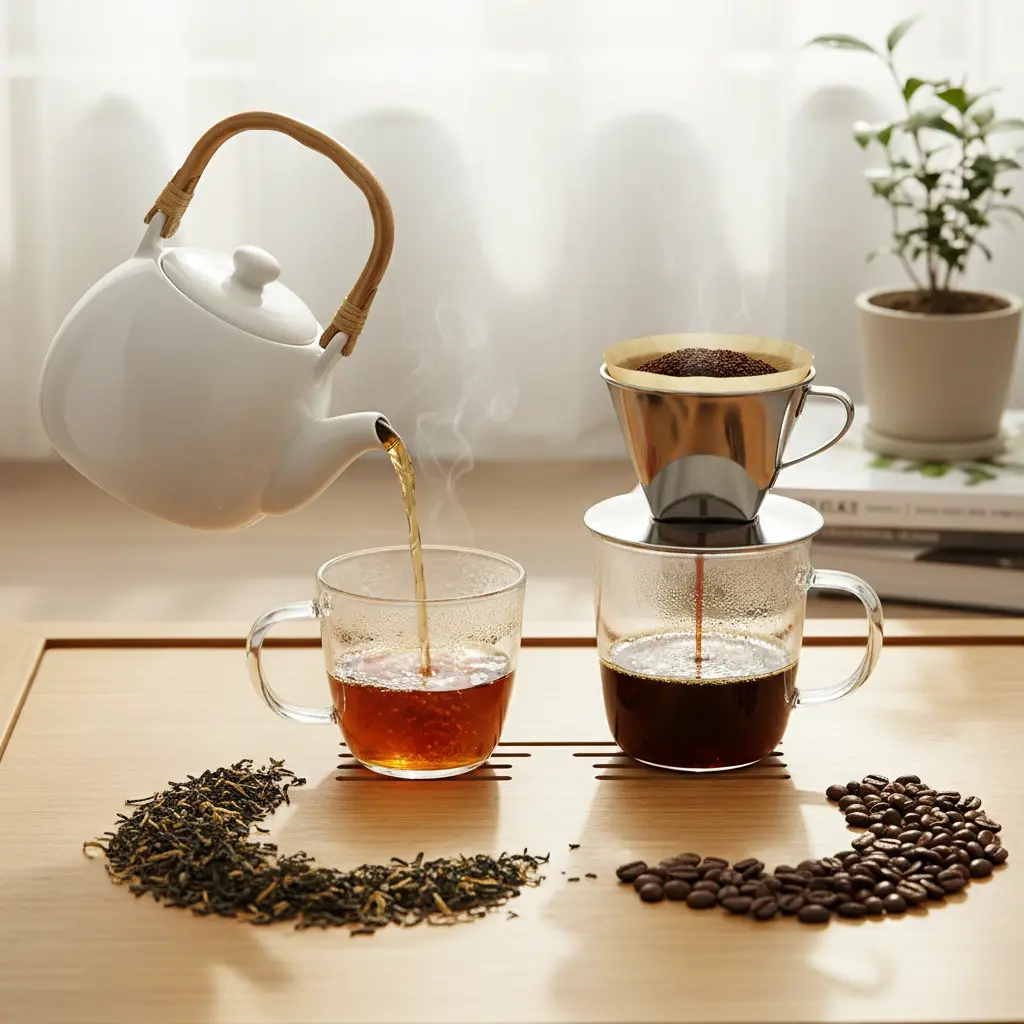



Food products are items intended for human consumption that provide nutrients, flavor, and variety in daily diets. They include raw ingredients, processed foods, packaged goods, and ready-to-eat items used in home cooking, meal preparation, and foodservice. Consumers choose food products to meet dietary needs, follow recipes, manage convenience and shelf life, or accommodate specific nutritional preferences. These products are selected for their ingredient lists, labeling information, storage requirements, and suitability for intended recipes or eating occasions. Food products are regulated by food safety and labeling standards that guide proper handling, expiration tracking, and allergen information. Understanding types, uses, and selection criteria helps buyers make practical choices for balanced meals, special diets, and everyday consumption.
Types of Food products
The following groups describe common categories and product forms found within food products.
- Fresh produce: fruits and vegetables sold in unprocessed or minimally processed form.
- Meat, poultry, and seafood: fresh, frozen, or sealed products intended for cooking or further processing.
- Dairy and alternatives: milk, cheese, yogurt, and plant-based substitutes in various packaging formats.
- Grains and cereals: rice, pasta, oats, flour, and ready-to-eat cereals.
- Packaged and canned goods: preserved vegetables, sauces, broths, and mixed canned items.
- Snacks and confectionery: biscuits, nuts, chips, chocolate, and similar packaged snack items.
- Frozen prepared foods: ready meals, vegetables, and desserts stored frozen for extended shelf life.
- Beverages: non-alcoholic drinks such as juices, teas, and bottled water, and shelf-stable drinks.
What are Food products used for?
Food products are used to prepare meals, provide daily nutrition, supply ingredients for recipes, and offer convenient options for quick consumption. They support diverse dietary patterns including omnivorous, vegetarian, vegan, and medically guided diets. Food products also serve practical roles in meal planning, emergency food storage, and portion control. In professional kitchens and catering, specific product types are selected for consistency, shelf life, and ease of preparation. Consumers rely on product labels to determine suitability for allergies, dietary restrictions, and nutritional goals.
Key Differences between Food products
Key differences among food products relate to processing level, shelf life, nutritional composition, and storage requirements.
- Processing level: fresh, minimally processed, and highly processed items differ in ingredient lists and preservation methods.
- Shelf life: perishable items require refrigeration or freezing, while canned and dry goods are shelf-stable.
- Nutritional content: macronutrient and micronutrient profiles vary by product type and formulation.
- Packaging and labeling: formats and declared information affect convenience and regulatory compliance.
- Allergens and additives: presence of common allergens or preservatives influences suitability for certain consumers.
How to Choose Food products?
Choosing food products involves comparing ingredient lists, storage needs, and intended use. Identify required nutrients or dietary restrictions, check expiration dates, and review allergen declarations. Consider preparation time and equipment needed, choose appropriate portion sizes, and prefer products with clear labeling and traceable ingredients when available. For perishable items, plan consumption within recommended storage periods; for long-term storage, select properly sealed or frozen options. Balance cost, convenience, and nutritional profile to meet household needs and specific meal plans.


