Save time and money with our discounts!

{{ totalProductsCount }}
In cart {{totalProductsCount}} item(s)
In cart {{totalProductsCount}} item(s)
Total:
{{sum | formatAmount}}
Your cart is empty
Gadget Accessories
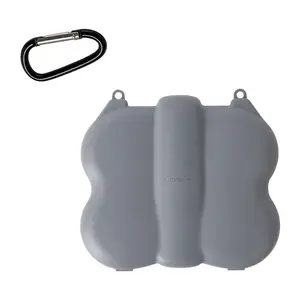
Accessories for gadgets include a broad range of complementary products designed to support, protect, connect, charge and enhance the functionality of electronic devices such as smartphones, tablets, laptops, wearables and portable audio equipment. These items typically do not alter the core operation of the device but provide practical functions like physical protection, power delivery, data transfer, mounting, and improved ergonomics. Customers choose accessories for everyday use, travel, professional workflows, or specialized activities where additional durability, convenience, or connectivity is required. Common materials and standards—plastic, silicone, metal, USB, Bluetooth, and wireless charging protocols—determine compatibility and performance. Selection often depends on device model, interface type, and specific use case such as commuting, office work, outdoor use, or multimedia consumption.
Types of Accessories for gadgets
Common categories of accessories cover protection, power, connectivity, audio and mounting solutions.
- Protective cases and screen protectors for impact and scratch resistance.
- Chargers, power banks and cables for wired and wireless charging.
- Adapters, hubs and docking stations for expanded connectivity and data transfer.
- Audio accessories such as headphones, earbuds, microphone attachments and portable speakers.
- Mounts, stands and holders for hands-free use in cars, desks or on tripods.
- Wearable bands, straps and protective covers for smartwatches and fitness trackers.
- Cleaning and maintenance tools, storage pouches and carrying cases.
What are Accessories for gadgets used for?
Accessories for gadgets serve practical functions that extend the usability and convenience of devices without changing their primary functions. They provide physical protection, prevent damage during transport, and reduce wear from daily use. Power accessories enable charging and extended operation time away from outlets. Connectivity accessories allow devices to interface with peripherals, external displays, storage and networks. Audio and input accessories improve media consumption, communication and content creation. Mounting and ergonomic accessories support safer and more comfortable device placement in work and travel scenarios.
Key Differences between Accessories for gadgets
Accessories differ by compatibility, build quality, performance, and intended use environment.
- Compatibility: model-specific accessories match device dimensions and ports; universal accessories use standard connectors or adjustable fittings.
- Build materials and protection level: rigid shells, soft silicone, tempered glass and fabric each offer different impact resistance and wear characteristics.
- Power and charging specs: output current, charging protocol (e.g., USB Power Delivery, Quick Charge), and cable quality affect charging speed and safety.
- Connectivity and data rates: wired interfaces (USB-C, Lightning, HDMI) and wireless standards (Bluetooth, Wi‑Fi) determine data transfer speed and latency.
- Portability and size: compact travel accessories prioritize light weight; desktop accessories prioritize stability and additional features.
How to Choose Accessories for gadgets?
Selecting suitable accessories requires matching technical specifications, intended use and quality expectations.
- Identify device model and supported standards (port types, wireless protocols, dimensions) before selecting an accessory.
- Prioritize certified or standard-compliant accessories for safety and compatibility with charging and data transfer protocols.
- Consider the environment of use: rugged or water-resistant options for outdoor use; slim, lightweight options for daily carry.
- Check material and construction details for protection level and longevity.
- Compare power ratings and cable specifications to ensure efficient and safe charging; choose correct adapters for international travel where needed.
- Read technical descriptions to confirm mounting, fit and functionality for specific workflows such as photography, gaming or in-vehicle use.


