Powerful EcoFlow stations for energy anywhere!

{{ totalProductsCount }}
In cart {{totalProductsCount}} item(s)
In cart {{totalProductsCount}} item(s)
Total:
{{sum | formatAmount}}
Your cart is empty
Home Appliances
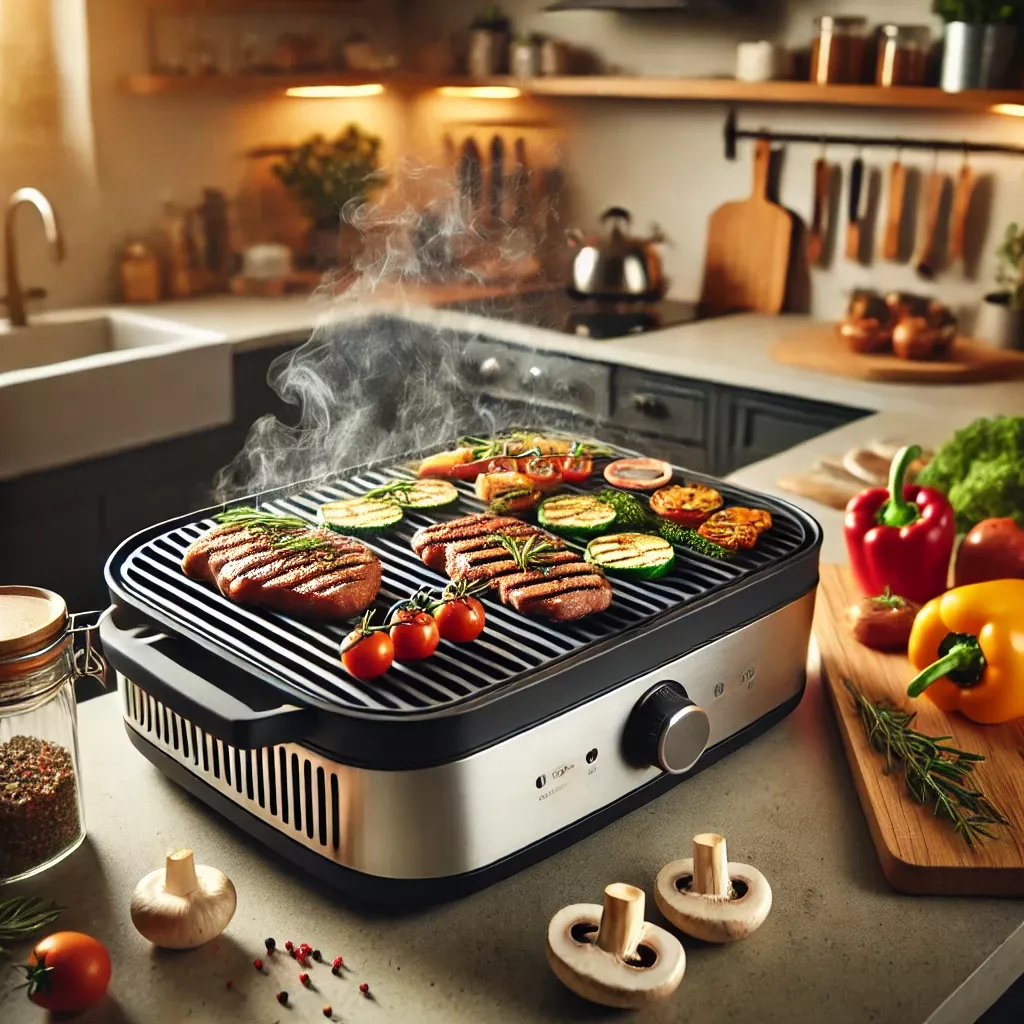


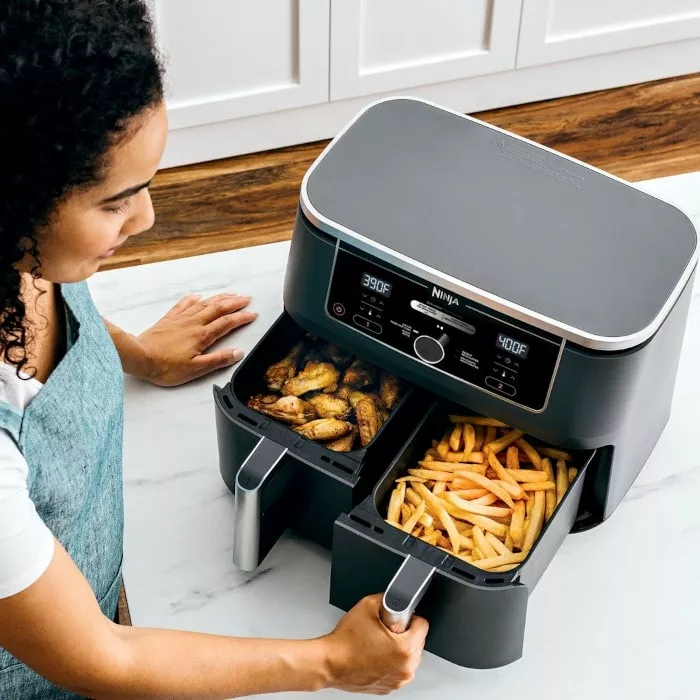
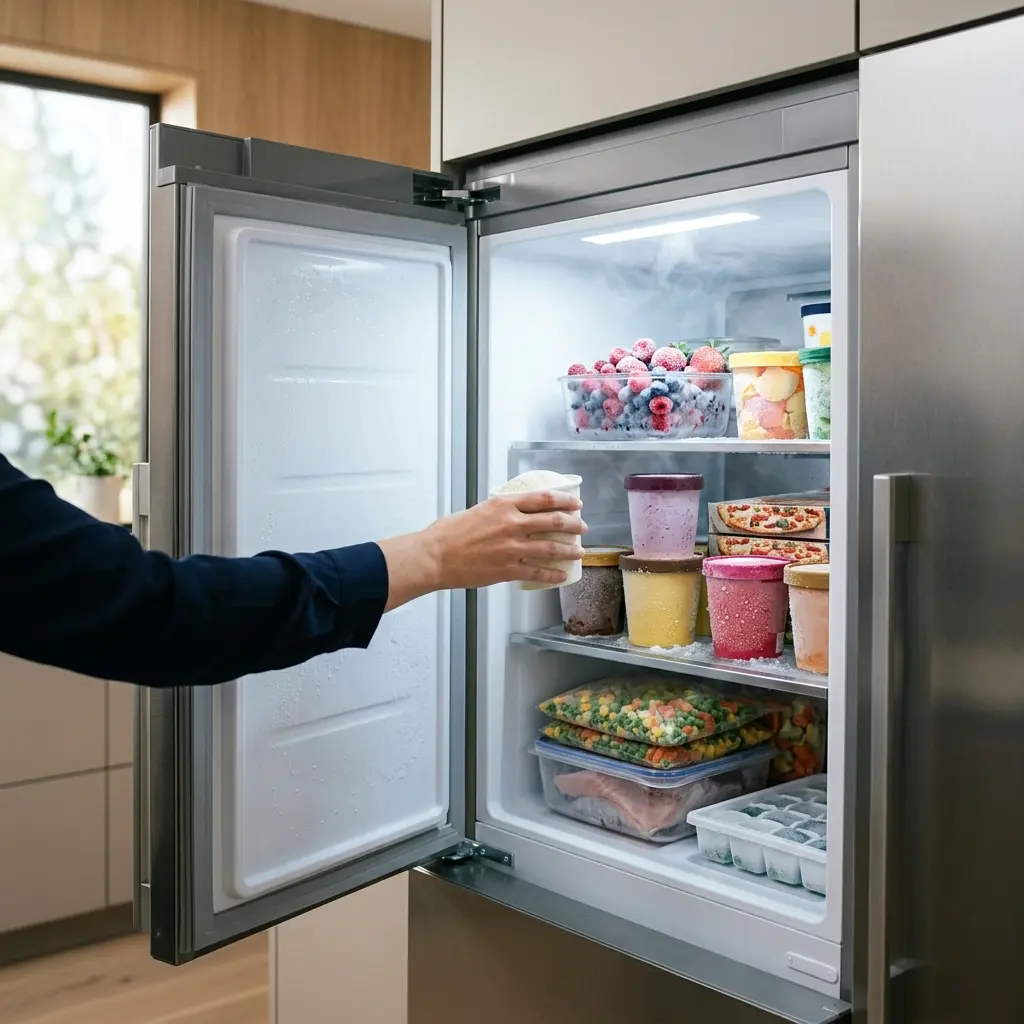

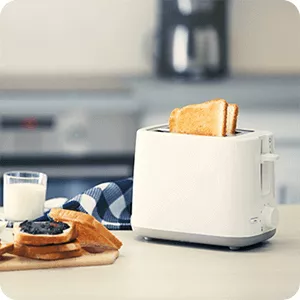

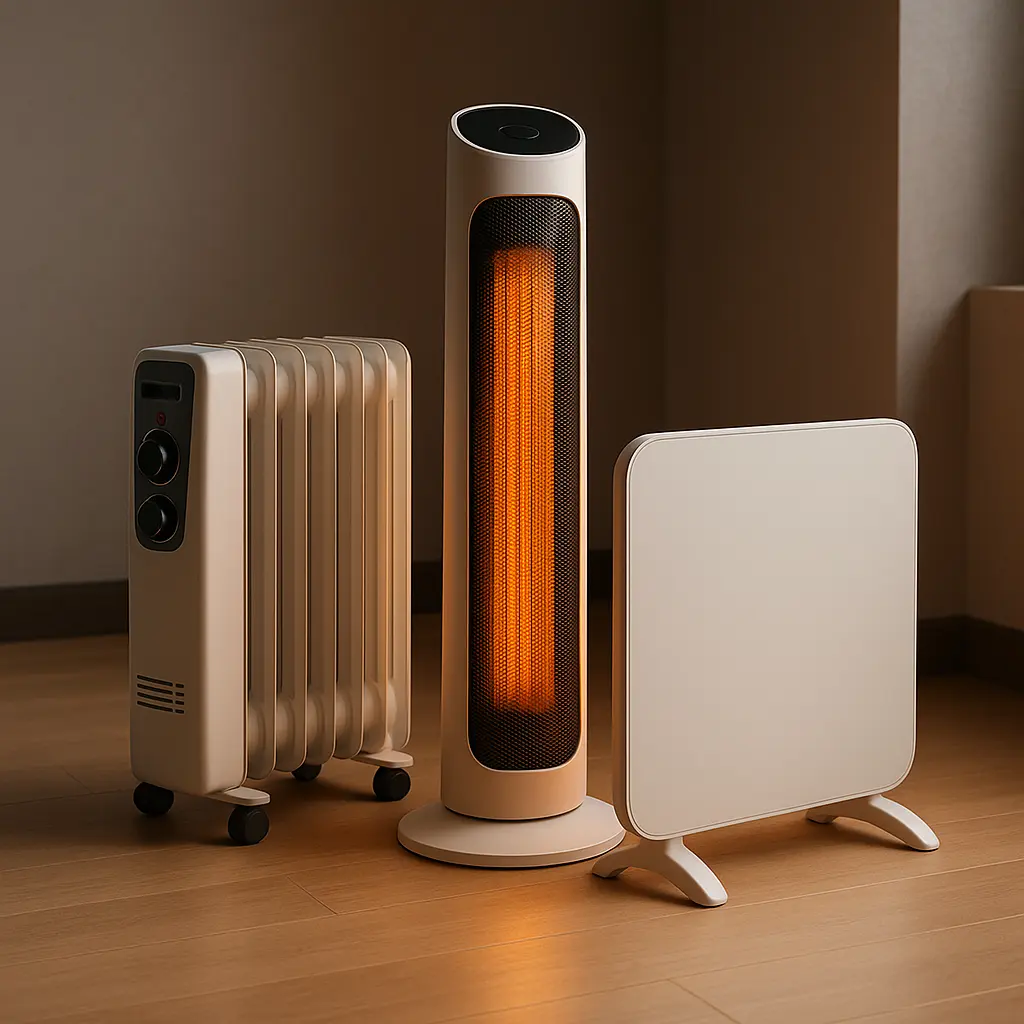
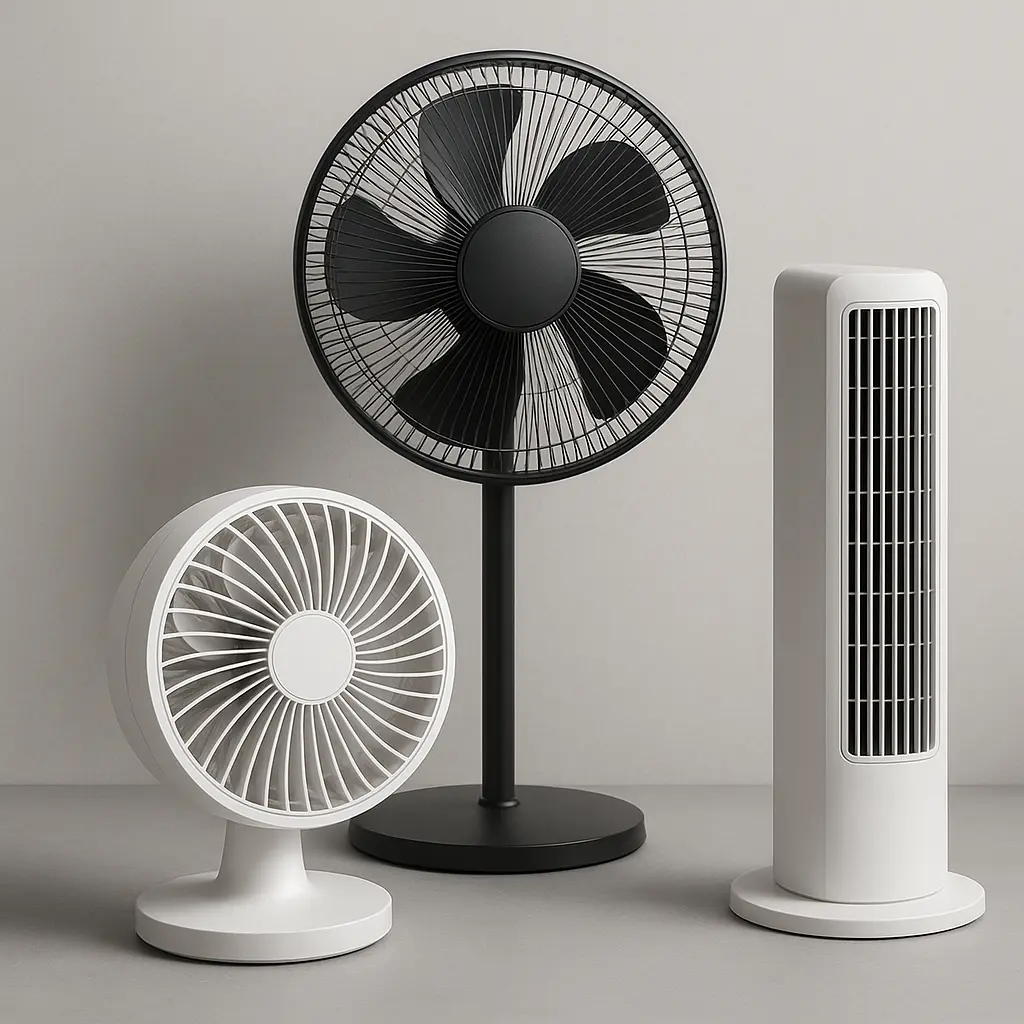


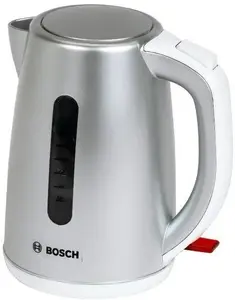
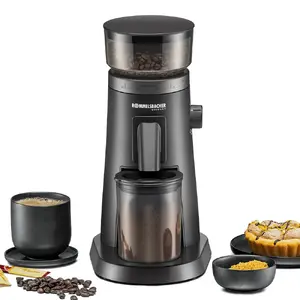
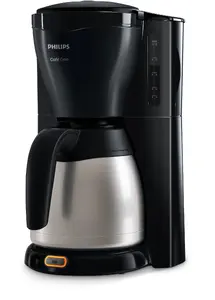
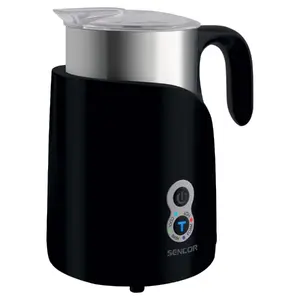
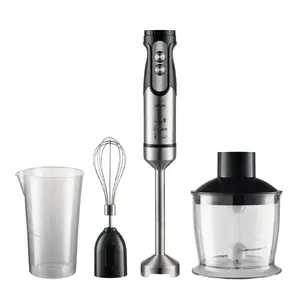


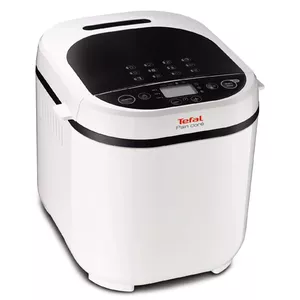
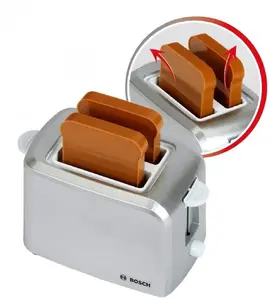
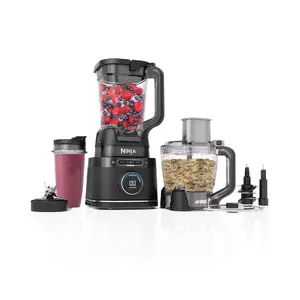
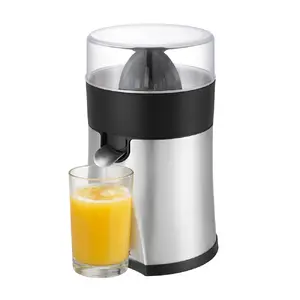
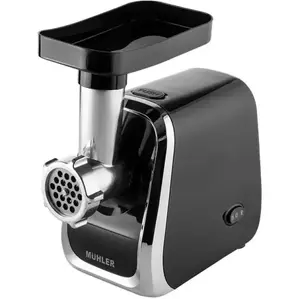

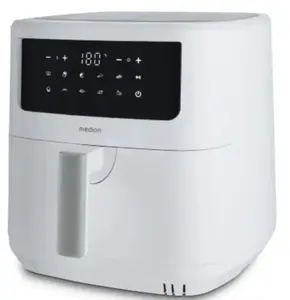
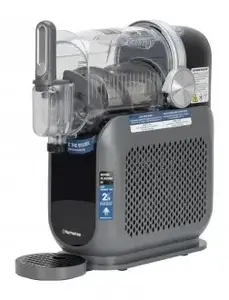

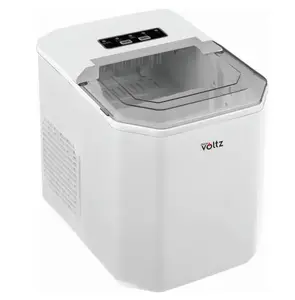
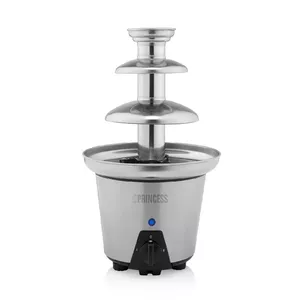


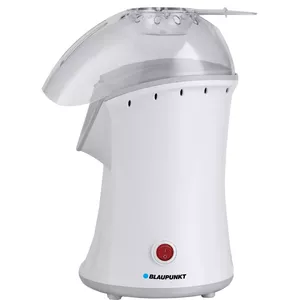


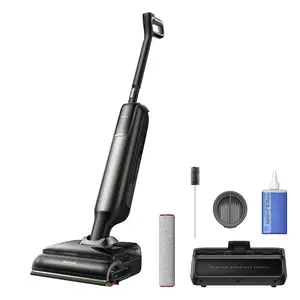




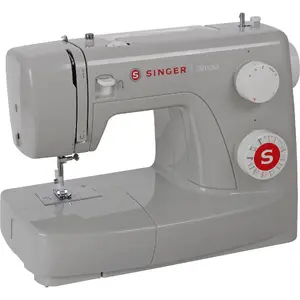
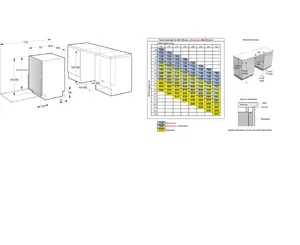
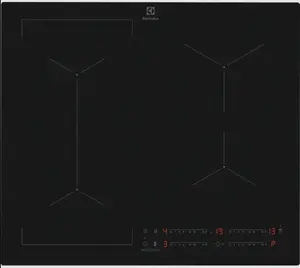
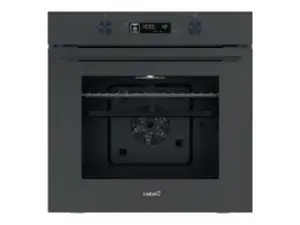


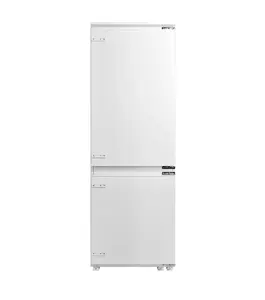
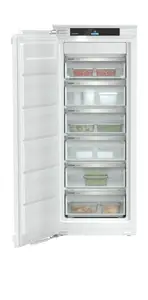
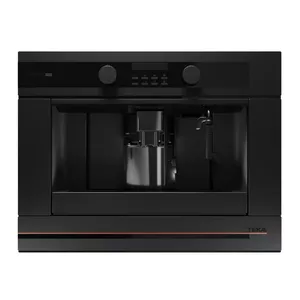
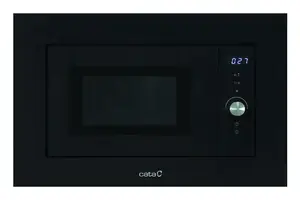
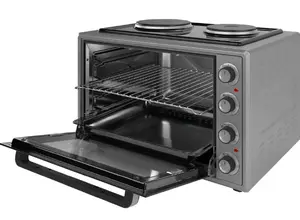
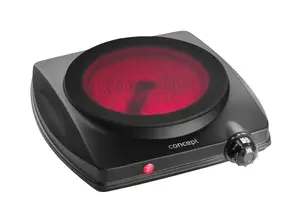
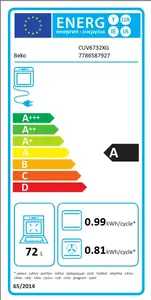
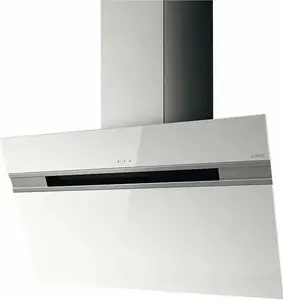
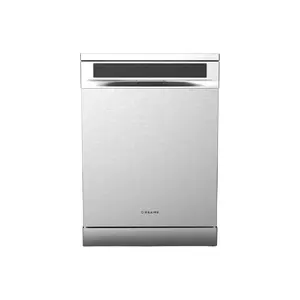

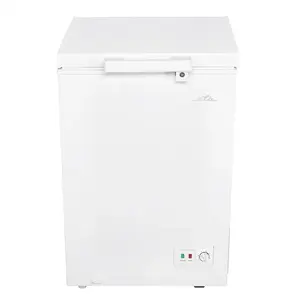


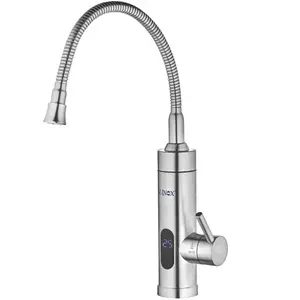




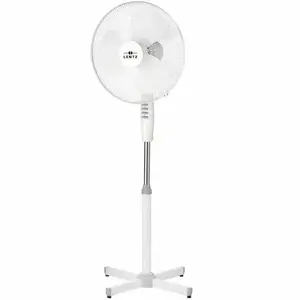


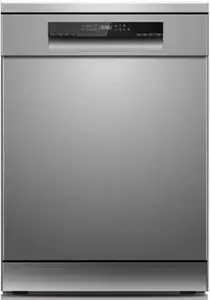
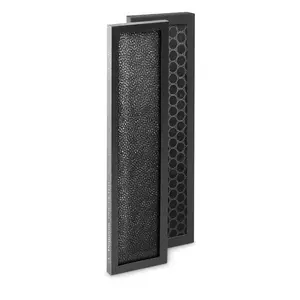
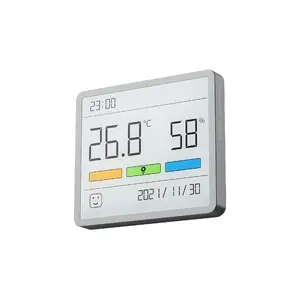

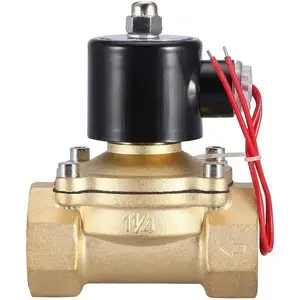
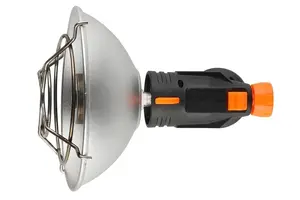
Household appliances are electrical and mechanical devices designed to perform routine domestic tasks such as cooking, cleaning, food storage, and personal care. These products range from small countertop units to large built-in systems and are selected for their ability to reduce manual effort, improve efficiency, or provide consistent performance in everyday home activities. Household appliances are used in kitchens, laundry areas, bathrooms, and living spaces to support meal preparation, garment care, sanitation, climate control, and other daily needs. Consumers choose specific appliances based on factors such as capacity, energy consumption, dimensions, functionality, and compatibility with existing home infrastructure. Professional specifications, safety standards, and user interfaces also influence selection, especially when appliances are integrated into fixed installations. Maintenance needs, warranty terms, and available service options are practical considerations that affect long-term ownership and performance.
Types of household appliances
Household appliances include a variety of product categories that differ by size, function, and installation type.
- Kitchen appliances: refrigerators, ovens, cooktops, microwaves, dishwashers, and range hoods.
- Laundry appliances: washing machines, dryers, and combined washer-dryer units.
- Small appliances: mixers, coffee makers, toasters, blenders, food processors, and electric kettles.
- Cleaning appliances: vacuum cleaners, steam cleaners, and robotic cleaning devices.
- Climate and air appliances: air conditioners, heaters, fans, dehumidifiers, and air purifiers.
- Personal care and bathroom appliances: electric shavers, hair dryers, electric toothbrushes, and water heaters.
What are household appliances used for?
Household appliances are used to perform specific domestic tasks more quickly, consistently, or safely than manual methods.
- Food storage and preservation: refrigerators and freezers keep perishable items at controlled temperatures to slow spoilage.
- Cooking and food preparation: ovens, cooktops, microwaves, and small food-preparation devices enable consistent heating, baking, and mixing.
- Cleaning and sanitation: dishwashers and washing machines remove dirt and contaminants while reducing physical labor and water usage when used properly.
- Climate control and air quality: heaters, air conditioners, humidifiers, and purifiers regulate indoor temperature and air conditions for comfort and health considerations.
- Personal grooming: bathroom and personal-care appliances provide precise control for grooming and hygiene tasks.
Key Differences between household appliances
Appliances differ across several objective dimensions that affect performance, cost, and suitability for a household.
- Size and capacity: overall dimensions and internal volume determine how much a unit can process or store.
- Energy efficiency: energy consumption ratings and technologies influence operating costs and environmental impact.
- Installation type: freestanding, built-in, or under-counter units affect placement and required home modifications.
- Functionality and features: program options, sensors, connectivity, and control interfaces change usability and convenience.
- Durability and build quality: materials, motor design, and component reliability affect maintenance frequency and lifespan.
- Noise level: operational sound ratings are important in living areas and open-plan spaces.
How to choose household appliances?
Selecting an appliance involves matching product attributes to practical household needs and constraints.
- Assess needs and usage patterns: consider household size, frequency of use, and specific tasks the appliance must perform.
- Measure available space and required connections: verify dimensions, door clearances, and electrical or plumbing requirements.
- Compare energy and performance specifications: review energy labels, capacity ratings, and program options relevant to efficiency and cost.
- Check compatibility and installation requirements: ensure the appliance fits existing cabinetry, ventilation, and utility connections.
- Review warranties and service options: confirm warranty coverage, recommended maintenance, and availability of authorized service.
- Consider long-term costs: factor in expected energy use, consumables, and potential repair expenses when comparing models.


