Powerful EcoFlow stations for energy anywhere!

{{ totalProductsCount }}
In cart {{totalProductsCount}} item(s)
In cart {{totalProductsCount}} item(s)
Total:
{{sum | formatAmount}}
Your cart is empty
Household accessories
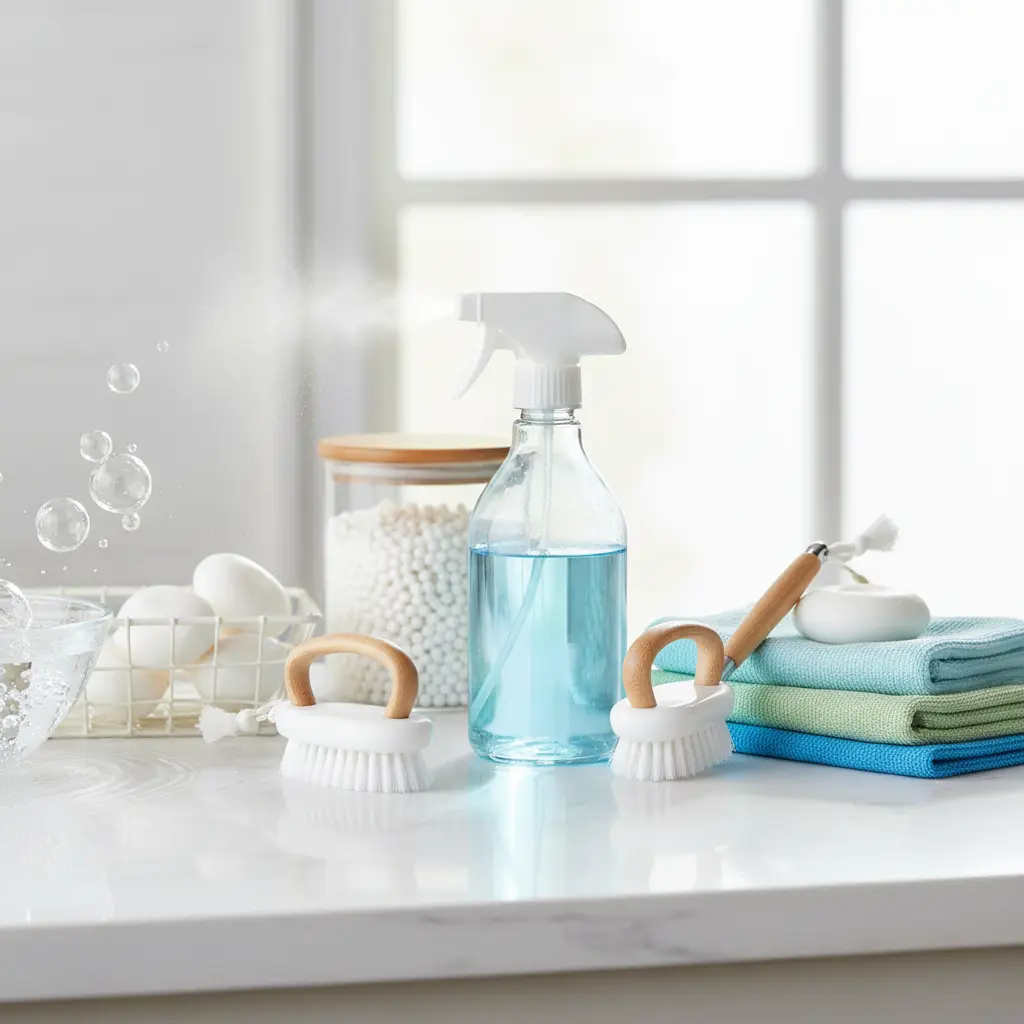
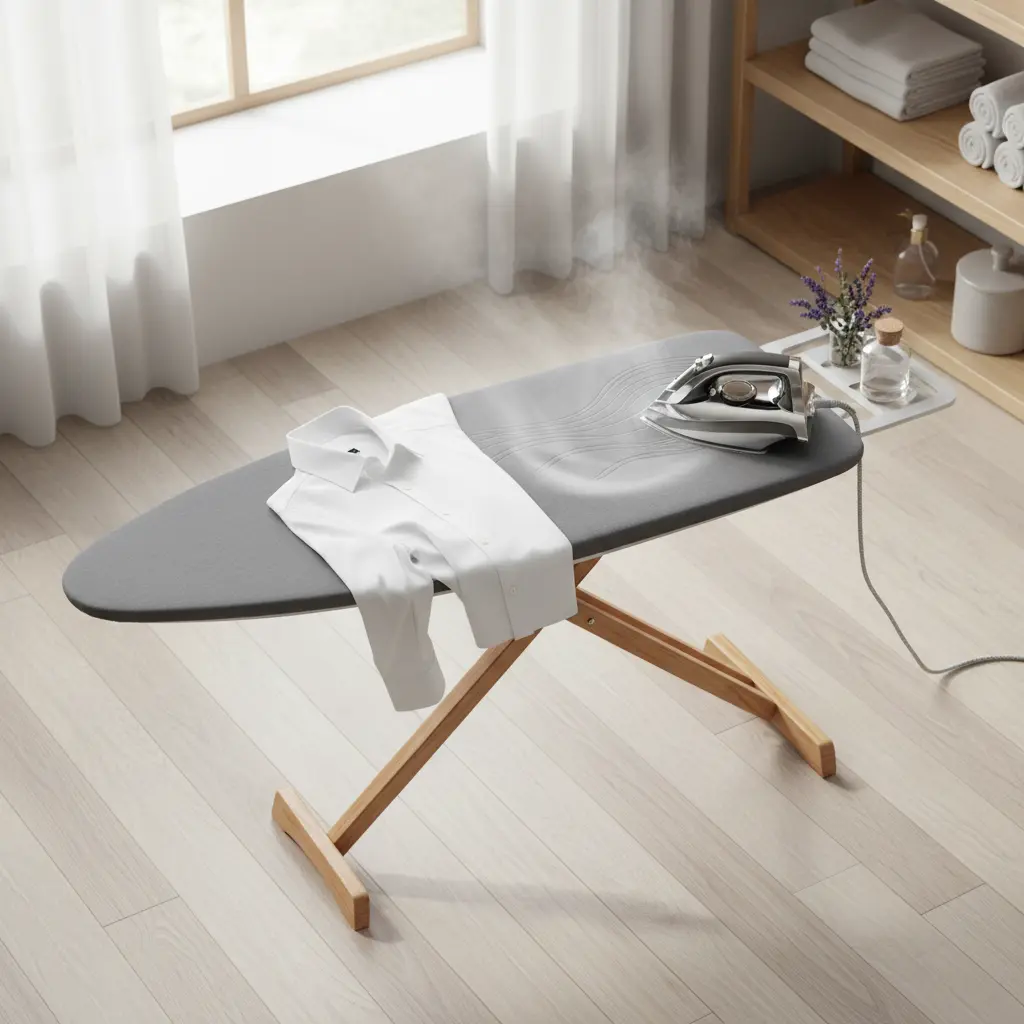

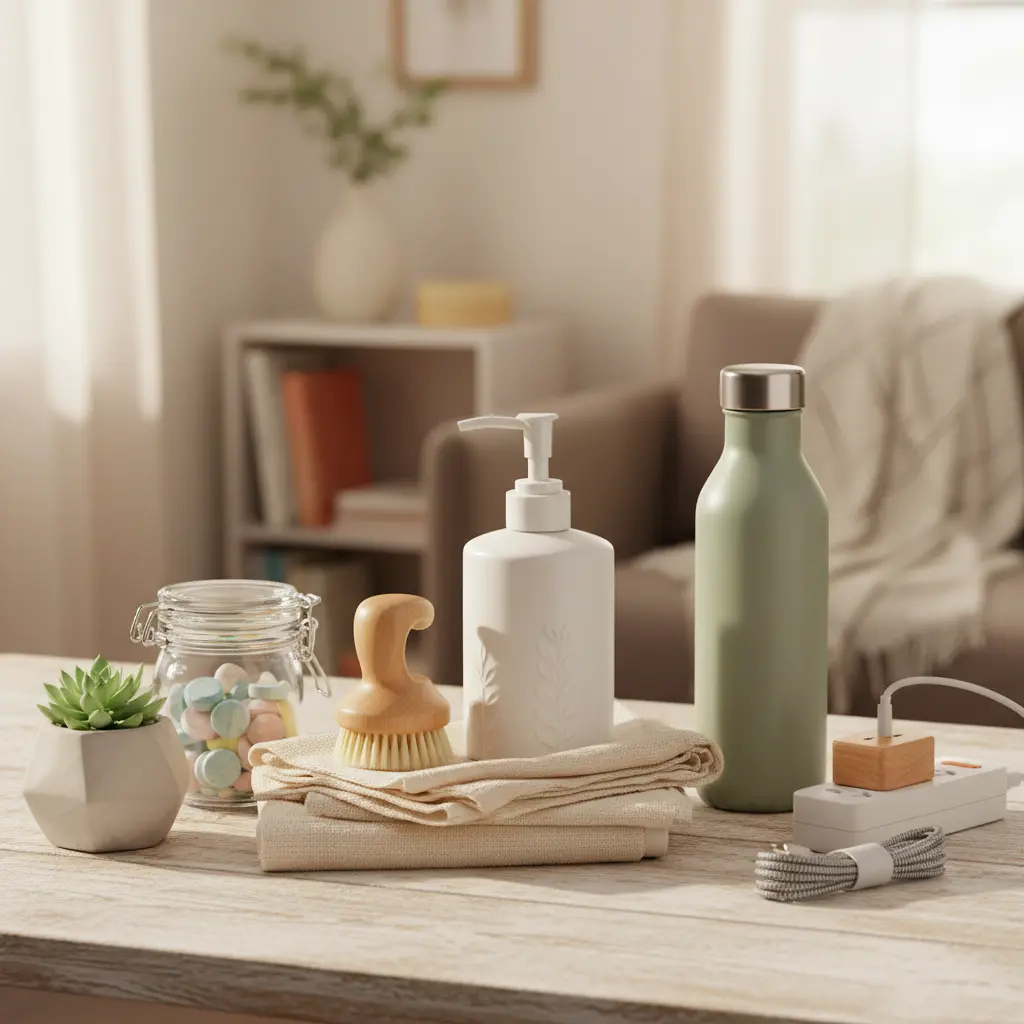
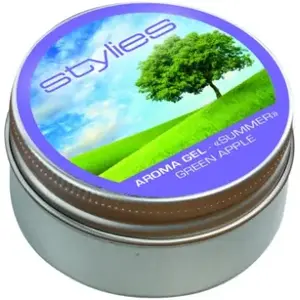
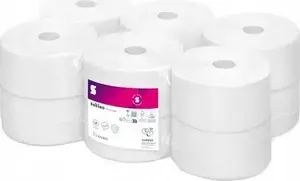

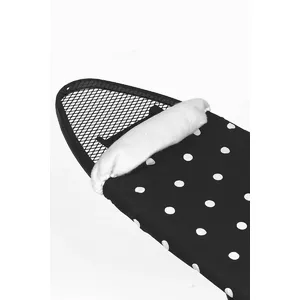
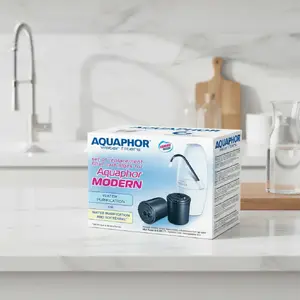
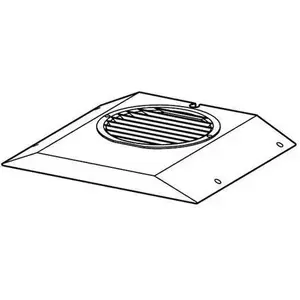
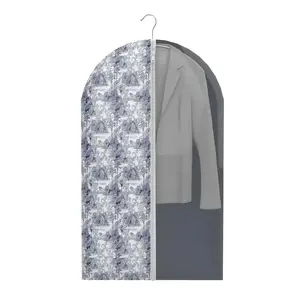



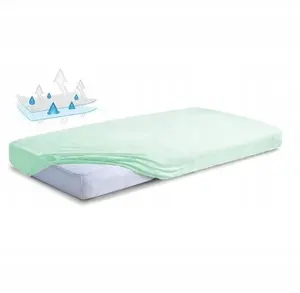
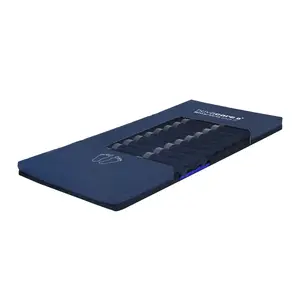
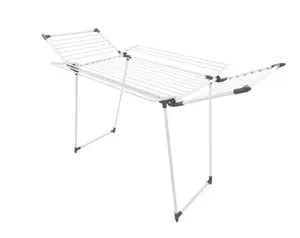
Household accessories are small functional and decorative items designed to support everyday tasks and organize living spaces. They include a wide range of products such as organizers, hooks, trays, storage boxes, textile items, and utility tools that complement furniture and appliances. These accessories are used in kitchens, bathrooms, bedrooms, living rooms, and entryways to improve convenience, maintain order, and protect surfaces. Consumers choose household accessories when they need practical solutions for storage, easier cleaning, space optimization, or a coordinated interior look. Selection often depends on material, size, mounting type, and compatibility with existing decor and furniture systems.
Types of household accessories
Common categories of household accessories cover multiple functions and materials. Examples include:
- Storage and organization: baskets, boxes, shelf dividers, drawer inserts.
- Kitchen accessories: utensil holders, cutting board stands, spice racks, dish racks.
- Bathroom accessories: soap dishes, toothbrush holders, shower caddies, towel hooks.
- Textile and soft goods: cushions, placemats, oven mitts, towels.
- Hardware and mounting items: hooks, rails, adhesive strips, brackets.
- Protective and surface items: coasters, mats, furniture pads, splash guards.
What are household accessories used for?
Household accessories serve practical and organizational purposes across different rooms. They are used to store items in an orderly way, protect surfaces from damage, provide specific utility for cooking or cleaning, and enable efficient use of limited space. Accessories also simplify daily routines by grouping frequently used objects, improving accessibility, and reducing clutter. In multi-person households they help define individual zones and keep shared areas tidy.
Key Differences between household accessories
Household accessories differ by material, size, installation method, capacity, and intended room of use. Material choices—plastic, metal, wood, silicone, fabric—affect durability, maintenance, and suitability for wet or food-contact environments. Installation can be free-standing, wall-mounted, or adhesive; each option influences stability and ease of repositioning. Size and capacity determine how much can be stored or organized. Design and finish relate to visual compatibility with interiors and the level of protection provided to surfaces.
How to Choose household accessories?
Choosing appropriate household accessories requires balancing function, dimensions, and material properties. Consider the intended room and tasks, measure available space, and check weight limits or load capacity for mounted items. Select materials suitable for conditions (e.g., rust-resistant metals for bathrooms, heat-resistant fabrics for kitchens). Prioritize easy-to-clean and maintain designs when hygiene is important. Evaluate modular or stackable solutions for flexible storage, and choose neutral or complementary finishes to match existing decor. Finally, review compatibility with furniture and appliances to ensure proper fit and safe installation.


