


Add to wish listAdd to AI comparison
GTVDelivery: 08.12.2026
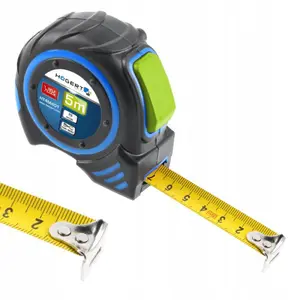
GTV HT4M401 Retractable Tape Measure 5 m 19 mm Auto Stop Nylon Coating with MagnetDelivery: 08.12.2026
8.99 €
Add to cart

Necessary cookies enable the site’s essential functions, including authentication and security, saving the shopping cart, placing orders, selecting a language, and retaining other user settings. They are always active because the site cannot work correctly without them. These cookies are not used for analytics or advertising.
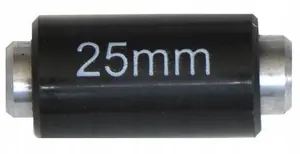
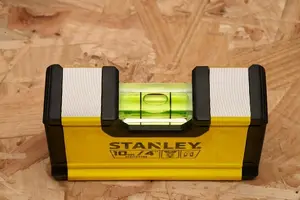


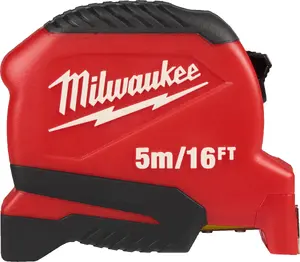


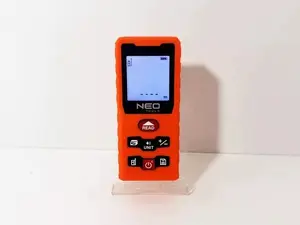
Measuring tools are instruments designed to determine size, distance, angle, weight, pressure, temperature, electrical values and other physical quantities with a specified degree of accuracy. These products are used across construction, manufacturing, engineering, laboratory work, home improvement and automotive maintenance to obtain quantitative data required for planning, verification and quality control. Measuring tools range from simple manual devices to digital instruments and sensor-based systems, and are selected according to the property to be measured, required precision and operating conditions. Users choose measuring tools to confirm dimensions, set tolerances, calibrate equipment, diagnose faults or comply with technical specifications. Proper selection and correct use of a measuring tool reduce measurement uncertainty and support consistent results in professional and DIY tasks.
Common categories of measuring tools include:
Measuring tools provide quantitative information needed to perform precise work, validate components and ensure compliance with specifications. They are used to take dimensional measurements during fabrication and assembly, verify flatness and alignment, measure electrical parameters during installation and troubleshooting, monitor temperatures in processes, and record pressure or flow in fluid systems. In laboratories and quality control, measuring tools support calibration, repeatable testing and documentation of results. They also assist in everyday tasks such as estimating material lengths, checking clearances and confirming torque or weight limits.
Differences among measuring tools relate to their measurement principle, accuracy, resolution, range and environmental suitability. Mechanical tools often provide robust simplicity but limited precision compared with digital instruments, which offer higher resolution, data logging and connectivity. Contact methods (e.g., calipers, micrometers) require physical contact with the object and can achieve high accuracy for dimensions, while non-contact methods (e.g., laser distance meters, infrared thermometers) are faster and safer for moving or hot targets. Other differentiators include calibration requirements, repeatability, susceptibility to temperature or humidity, portability and required user skill.
Selecting a suitable measuring tool involves assessing the quantity to measure, required accuracy and the working environment. Consider the measurement range and resolution needed for the task, the tolerance limits that must be met, and whether contact or non-contact measurement is more appropriate. Check the tool’s stated accuracy, calibration options and whether it provides features such as digital readout, data export or battery life suitable for field use. Factor in durability, protection rating (e.g., IP rating) for harsh environments, and ergonomics for frequent use. Finally, verify compatibility with existing procedures and calibration equipment to maintain traceability and reliable results.
Order online at AiO.lv at a good price, with delivery across Latvia and to other EU countries. We deliver to Riga, Daugavpils, Liepāja, Jūrmala, Ventspils and other cities. We offer products from leading manufacturers.

We are confident in our quality, but if the purchase doesn’t fit — you have 14 days to return the product with peace of mind.

Get your orders as quickly as possible — right to your door, parcel lockers, or pickup points across Latvia and the EU.

Pay the way you prefer: cash, VISA, MasterCard, Apple Pay, Google Pay, bank transfer, or 0% installment plan.

AiO.lv has been on the market for over 18 years and has earned trust — with more than 6000 genuine positive reviews on Google.