Powerful EcoFlow stations for energy anywhere!

{{ totalProductsCount }}
In cart {{totalProductsCount}} item(s)
In cart {{totalProductsCount}} item(s)
Total:
{{sum | formatAmount}}
Your cart is empty
Pet Food
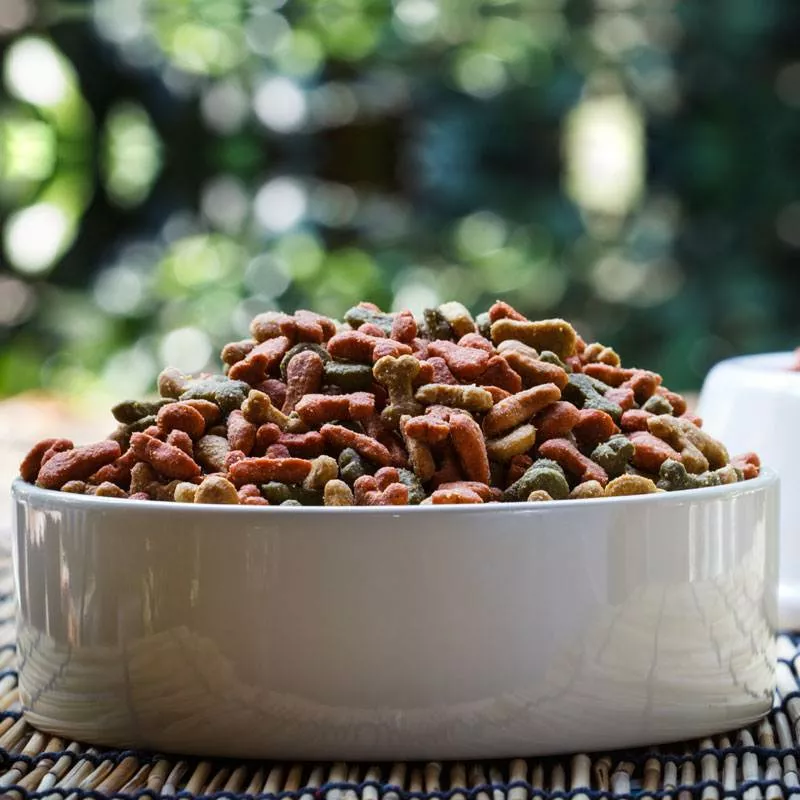
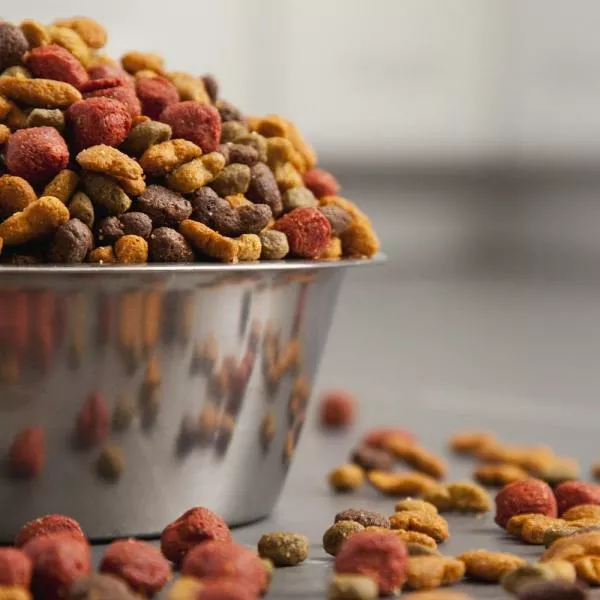
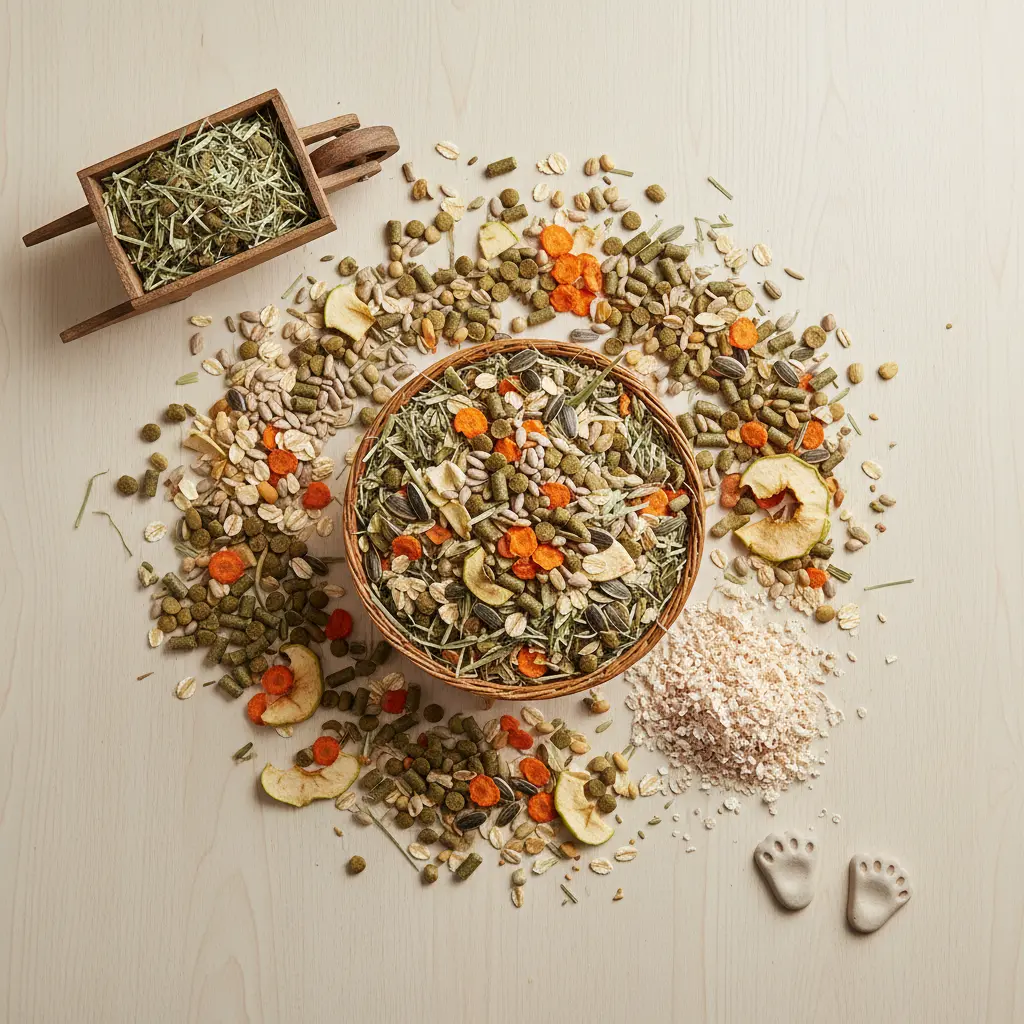
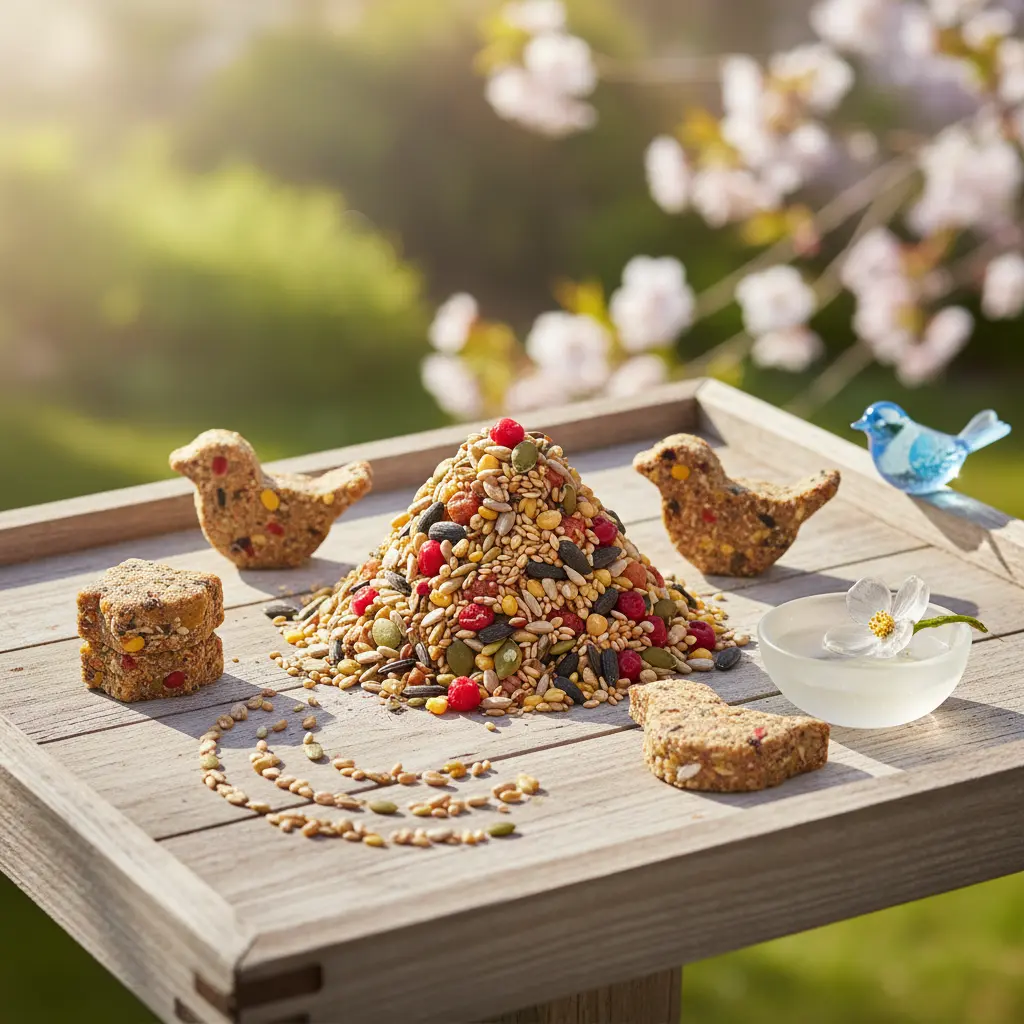

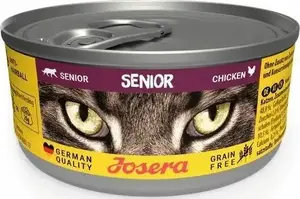
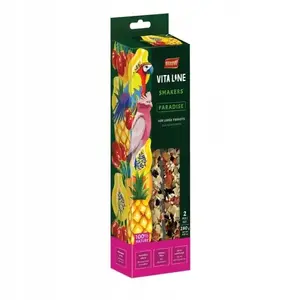
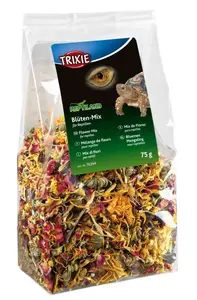
Pets food encompasses prepared diets and feeding products formulated to meet the nutritional needs of companion animals such as dogs, cats, small mammals, birds, fish and reptiles. These products are produced in a range of forms and compositions to supply proteins, carbohydrates, fats, vitamins and minerals appropriate for species, life stage and health condition. Consumers choose pets food to provide daily nutrition, support growth, maintain body condition, manage weight and address specific medical or dietary needs recommended by veterinarians. Packaging, portions and feeding instructions help ensure consistent intake and safe storage. Pets food is selected based on animal species, age, activity level, health status and owner preferences for ingredients or formulation type.
Types of Pets food
Common product types are grouped by form and purpose.
- Dry food: extruded kibble for longer shelf life and measured portions.
- Wet food: canned or pouched diets with higher moisture content.
- Semi-moist and treats: convenience items for training or snacking.
- Prescription and therapeutic diets: veterinarian-recommended formulas for medical conditions.
- Species-specific formulations: recipes tailored for dogs, cats, birds, small mammals, fish and reptiles.
- Supplements and functional additives: vitamins, joint support, probiotics and specialized nutrient concentrates.
What are Pets food used for?
Pets food is used to provide complete or complementary nutrition, support growth and development, maintain adult body condition, manage life-stage transitions such as kitten or puppy growth, and assist in clinical management of diseases. Specific uses include weight control, urinary and renal support, digestive health, allergy management and dental care when formulated for those purposes. Treats and rewards support training and behavioral reinforcement but are generally not a full nutritional source. Supplements address targeted nutrient gaps or physiological needs under guidance.
Key Differences between Pets food
Differences among pets food arise from ingredients, nutrient profiles, processing methods and intended use.
- Ingredient composition: animal vs. plant proteins, grain-free vs. grain-inclusive, presence of allergens.
- Nutrient profile: calorie density, protein/fat/carbohydrate ratios, vitamin and mineral levels based on life stage standards.
- Form and moisture: dry, wet, semi-moist—affects hydration, texture and storage.
- Specialization: therapeutic/prescription diets target medical issues; performance diets target high-activity animals.
- Processing and preservation: extrusion, canning, freeze-drying, and use of preservatives affect shelf life and handling.
How to Choose Pets food?
Selecting appropriate pets food involves assessing the animal's species, age, weight, activity level and health status, then comparing product labels and feeding guides. Consult a veterinarian for medical or prescription needs and for animals with known allergies or chronic conditions. Read guaranteed analysis and ingredient lists to understand nutrient content and potential allergens, and follow feeding amounts based on body weight and condition. Consider transition periods when changing diets to avoid digestive upset, monitor body condition regularly and adjust portions as needed. For supplements or specialized products, verify evidence of effectiveness and, when relevant, choose items formulated to recognized nutritional standards.


