


Add to wish listAdd to AI comparison

Necessary cookies enable the site’s essential functions, including authentication and security, saving the shopping cart, placing orders, selecting a language, and retaining other user settings. They are always active because the site cannot work correctly without them. These cookies are not used for analytics or advertising.
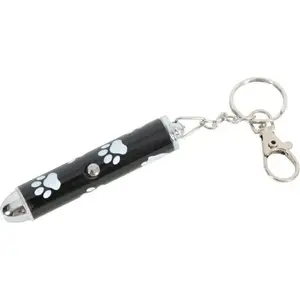
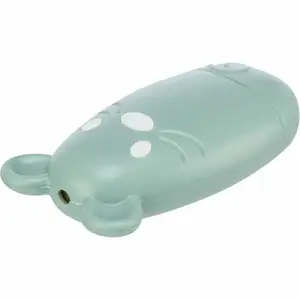
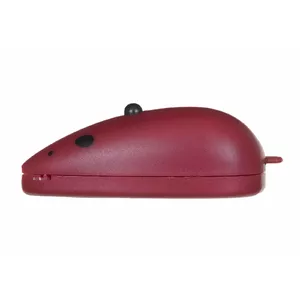
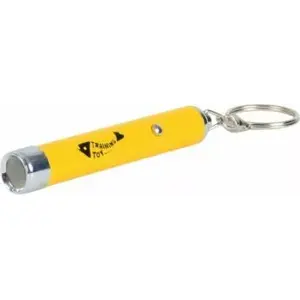
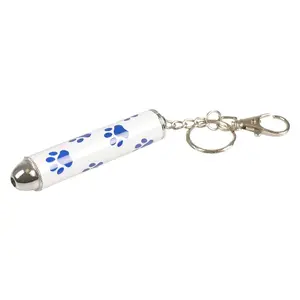


Pet toys are items designed to provide physical activity, mental stimulation, and interaction for companion animals such as dogs, cats, birds, and small mammals. These products range from simple chew objects and balls to interactive puzzle feeders and electronic toys, and they are used to support exercise, training, play, and boredom reduction in home and outdoor settings. Consumers select pet toys to match an animal's species, size, age, chewing strength, and activity level, and to address specific needs such as teething, dental care, anxiety management, or skill development. Materials, construction quality, and safety features determine suitability for different pets and use cases. Proper selection and supervision help reduce the risk of choking, ingestion of non-food materials, and rapid wear. Regular rotation and cleaning of toys support hygiene and sustained interest for the animal.
Common categories of pet toys include:
Pet toys serve multiple practical purposes in animal care and management:
Pet toys differ by design, material, intended species, and functional purpose. Material choices—such as natural fibers, hard rubber, silicone, plush fabric, or hard plastic—affect durability, cleaning methods, and the risk of breakage. Size and weight determine whether a toy suits a small cat or a large dog, and some toys include age-specific features for puppies or senior animals. Functional differences include passive toys that require human involvement and autonomous toys that move or dispense treats independently. Safety certifications, non-toxic labeling, and ease of cleaning are additional distinguishing factors to evaluate. Cost and replaceability also vary: higher-cost durable toys may last longer, while low-cost items may need more frequent replacement.
Choosing pet toys involves assessing the animal's species, size, age, chewing strength, activity level, and health needs. Consider these practical steps:
Order online at AiO.lv at a good price, with delivery across Latvia and to other EU countries. We deliver to Riga, Daugavpils, Liepāja, Jūrmala, Ventspils and other cities. We offer products from leading manufacturers.

We are confident in our quality, but if the purchase doesn’t fit — you have 14 days to return the product with peace of mind.

Get your orders as quickly as possible — right to your door, parcel lockers, or pickup points across Latvia and the EU.

Pay the way you prefer: cash, VISA, MasterCard, Apple Pay, Google Pay, bank transfer, or 0% installment plan.

AiO.lv has been on the market for over 18 years and has earned trust — with more than 6000 genuine positive reviews on Google.