


Add to wish listAdd to AI comparison
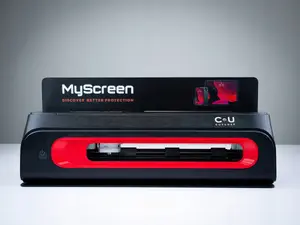
MyScreenProtectorDelivery: 08.12.2026
Screen protector cutting plotter MyScreenProtector CUT&USE Ploter PRO 11" v2 - PLDelivery: 08.12.2026
290.99 €
0% for 6 mon.
Add to cart

Necessary cookies enable the site’s essential functions, including authentication and security, saving the shopping cart, placing orders, selecting a language, and retaining other user settings. They are always active because the site cannot work correctly without them. These cookies are not used for analytics or advertising.
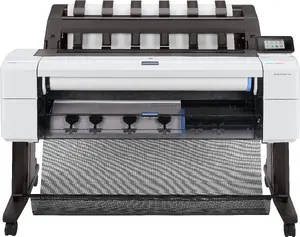
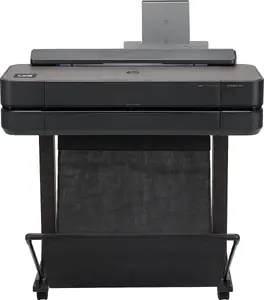

Roll feed plotters are devices designed to handle media supplied on rolls for wide-format printing, cutting or plotting. These products include roll-fed inkjet printers, vinyl cutters, thermal plotters and hybrid machines that accept media from cores or spools. They are chosen when continuous long-length output, efficient material use and reduced handling are needed, for example in sign production, vehicle wraps and architectural plans. Roll feed plotters vary by print width, media thickness capacity, feed mechanism and finishing options. Buyers typically select them for higher throughput jobs that require stable, straight media transport and compatibility with common roll sizes.
Common applications for roll feed plotters include:
Start by defining the primary applications and the most common media you will use. Compare maximum width, roll diameter and media thickness to match your rolls and cores. For printed graphics evaluate ink technology, resolution and colour management features; for cutting focus on blade system, registration and contour accuracy. Consider throughput metrics such as linear metres per hour and duty cycle to meet production demands. Check available finishing and automation options to reduce manual handling. Finally, verify software compatibility with your design workflow and confirm delivery, installation and local support options for Riga and other European locations.
Order online at AiO.lv at a good price, with delivery across Latvia and to other EU countries. We deliver to Riga, Daugavpils, Liepāja, Jūrmala, Ventspils and other cities. We offer products from leading manufacturers.

We are confident in our quality, but if the purchase doesn’t fit — you have 14 days to return the product with peace of mind.

Get your orders as quickly as possible — right to your door, parcel lockers, or pickup points across Latvia and the EU.

Pay the way you prefer: cash, VISA, MasterCard, Apple Pay, Google Pay, bank transfer, or 0% installment plan.

AiO.lv has been on the market for over 18 years and has earned trust — with more than 6000 genuine positive reviews on Google.