Dreame vacuums for fast and efficient cleaning!

{{ totalProductsCount }}
In cart {{totalProductsCount}} item(s)
In cart {{totalProductsCount}} item(s)
Total:
{{sum | formatAmount}}
Your cart is empty
Server Parts & Components
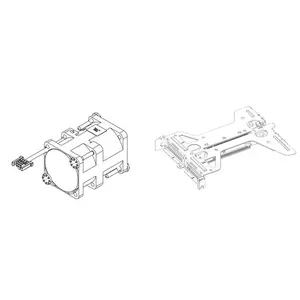
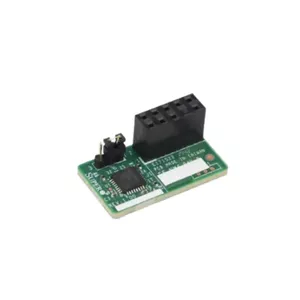
INTELLINET
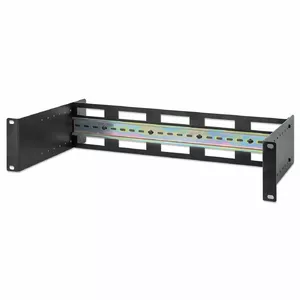
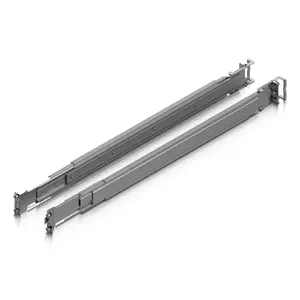
Rack rail Intellinet 716345 Black Aluminium 487mm x 210mm x 89mm
Delivery: 05.11.2026
28.49 €
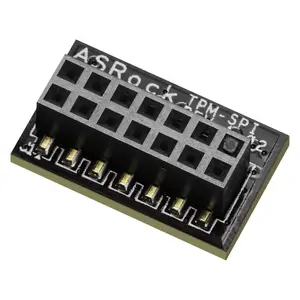
Get it Tomorrow
UBIQUITI
Rack rail UBIQUITI UACC-Rack-Rails-Slide — SGCC steel, grey, 2.5 kg
Delivery: Tomorrow
89.90 €
Excellent choice
Excellent choice
You save: 33.00 €
Netgear
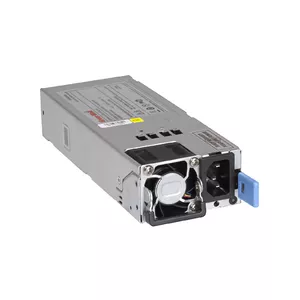
Power supply NETGEAR ProSAFE Auxiliary 250W
Delivery: 06.11.2026
286.49 €
253.49 €
The discount is valid from 20.10.2026 to 17.11.2026
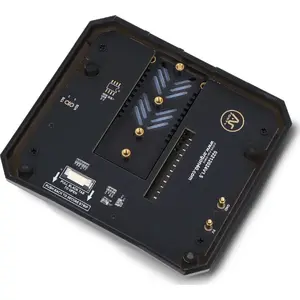
Argon40
Expansion board Argon40 Argon One V3 M.2 NVMe PCIe for Raspberry Pi 5
Delivery: 06.11.2026
29.99 €
Supermicro
Supermicro Rack I/O Shield MCP-260-00178-0N for SC515, SC813, and SC815 chassis
Delivery: 06.11.2026
2.49 €
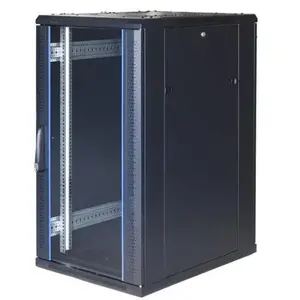
OEM
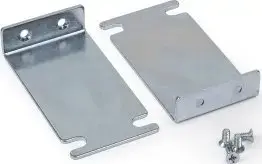
Rack mounting bracket for OEM compatible equipment — universal rack mount
Delivery: 23.11.2026
2.49 €
Renew
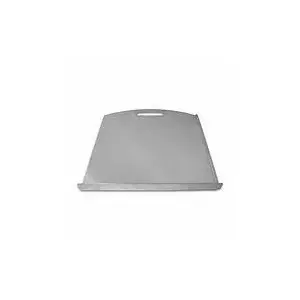
HP Enterprise
HDD blank kit HP Enterprise Gen8 666986-B21-RFB for server drive bays
Delivery: 23.11.2026
2.99 €
Stalflex
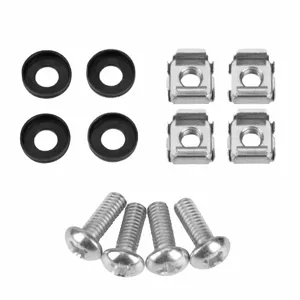
Rack screws Stalflex C4-SR-M6-PCV M6 PVC mounting screws set of 4
Delivery: 30.10.2026
3.49 €
HP Enterprise
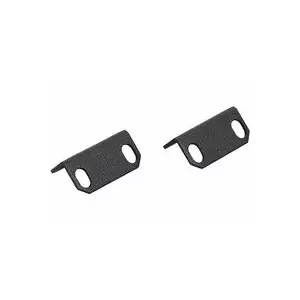
Rack kit HP Enterprise 1U model 5184-6978 for mounting 1U equipment in server racks
Delivery: 23.11.2026
3.99 €
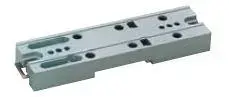

Siemens
Power supply module Siemens PS-M-SIEMS55-FL Flex SL55 without connectors
Delivery: Wednesday
4.99 €
Components for servers are individual hardware parts designed to build, upgrade, maintain, or repair server systems used in data centers, enterprise IT environments, and specialized computing setups. These components include processing units, memory modules, storage devices, power supplies, cooling solutions, network interface cards, and chassis elements. They are selected to meet required performance, reliability, scalability, and compatibility criteria for specific server models and workloads. Organizations choose server components when constructing new servers, expanding capacity, replacing failed parts, or optimizing systems for computing, storage, or networking tasks. Proper selection and installation of components affect server uptime, energy efficiency, thermal management, and overall system performance. Technical specifications, form factors, firmware compatibility, and vendor support are key factors when working with server components.
Types of components for servers
The main categories of server components cover a range of hardware elements required for operation and serviceability.
- Central processing units (CPUs): multi-core processors designed for server sockets and workloads.
- Memory modules (RAM): ECC and registered DIMMs in various capacities and speeds for data integrity and performance.
- Storage devices: HDDs, SSDs, NVMe drives, and hot-swap trays for persistent data storage and performance tiers.
- Power supplies and redundant power modules: PSUs with specific wattage ratings and redundancy options for availability.
- Cooling components: fans, heatsinks, and liquid-cooling elements sized for rack or blade servers.
- Network interface cards (NICs) and HBAs: Ethernet, Fibre Channel, and converged adapter options for connectivity.
- Motherboards and server trays: platform boards, riser cards, and backplanes that define form factor and expandability.
- RAID controllers and storage controllers: hardware and integrated controllers for disk management and data protection.
- Chassis and rackmount components: enclosures, rail kits, bezel panels, and blanking panels for physical deployment.
What are components for servers used for?
Server components serve specific roles within an IT infrastructure to provide computing, storage, connectivity, and reliability.
- Compute: CPUs and memory enable processing of applications, virtualization, and database workloads.
- Storage: HDDs, SSDs, and controllers provide persistent storage, caching, and tiering for datasets.
- Network connectivity: NICs and HBAs connect servers to LANs, SANs, and storage networks.
- Power and availability: redundant PSUs and power distribution units maintain uptime and support failover.
- Thermal management: fans and heatsinks prevent overheating and maintain consistent performance under load.
- Expansion and serviceability: modular motherboards, hot-swap bays, and rack components facilitate upgrades and maintenance.
Key Differences between components for servers
Server components differ by performance characteristics, compatibility constraints, reliability features, and physical form factors.
- Performance vs. capacity: some parts prioritize processing speed (high-frequency CPUs, NVMe SSDs) while others prioritize capacity (high-capacity HDDs, large RAM modules).
- Compatibility: socket types, chipset support, memory standards, and firmware versions determine which components work together.
- Redundancy and reliability: enterprise-grade components include ECC memory, redundant power supplies, and RAID controllers designed for continuous operation.
- Form factor and physical constraints: blade, rackmount, and tower servers require different component sizes and mounting options.
- Interface and protocol differences: SATA, SAS, NVMe, PCIe, Ethernet speeds, and Fibre Channel affect throughput and latency.
- Management and firmware: out-of-band management modules, firmware compatibility, and vendor-specific tools vary across components.
How to Choose components for servers?
Choosing server components requires matching technical requirements, compatibility, and operational goals while considering total cost of ownership.
- Define workload requirements: identify CPU cores, memory capacity, storage type, and I/O needs based on applications and users.
- Check compatibility: verify socket types, supported memory standards, form factor constraints, and firmware interoperability with the server platform.
- Assess reliability needs: select enterprise-grade parts with ECC, MTBF ratings, and support for redundancy if high availability is required.
- Consider performance and scalability: choose components that meet current needs and allow future upgrades or capacity expansion.
- Evaluate thermal and power constraints: ensure PSUs, cooling, and rack power delivery meet load and efficiency targets.
- Review vendor documentation and support: confirm firmware updates, hardware compatibility lists, and warranty/service options.
- Plan for management and monitoring: include hardware that supports remote management, logging, and integration with existing toolchains.
Which server parts & components are the most popular and affordable in 2026?
The full list of popular models at affordable prices is available on this page. In 2026, the following models show high demand and an excellent price-to-quality ratio:
- Rack rail UBIQUITI UACC-Rack-Rails-Slide — SGCC steel, grey, 2.5 kg for 89.9€
- Power supply NETGEAR ProSAFE Auxiliary 250W for 253.49€
Why is it worth buying server parts & components at AiO.lv?
At the AiO.lv online store, you can place an order at a great price with delivery across Latvia — to Riga, Daugavpils, Liepaja, Jurmala, Ventspils, and other cities, as well as throughout Europe. We offer products from leading manufacturers: ADAPTEC, APC, ASROCK, CHIEFTEC, Cisco, Dell, FUJITSU, HP, IBM, INTEL, Lenovo, Netgear, Siemens, SYNOLOGY, Asus, Chenbro, acutake, DIGITUS, LOGILINK, LSI. When you shop with us, you get:
- official warranty and guaranteed quality;
- convenient payment options (including installment and credit);
- fast and reliable delivery across Latvia and to any EU country.
FAQ
Where can you find a server parts & components with cheap prices?
You can buy cheaper at the AiO.lv online store. We offer competitive prices and regular discounts, so you always have the chance to find a great deal.
What is the delivery time for server parts & components?
If you place your order today, delivery will take between 1 and 5 business days depending on the chosen method.
How long is the warranty period for server parts & components?
Our store provides an official manufacturer’s warranty ranging from 12 to 36 months, depending on the model and brand. If needed, you can always contact our customer service department or the manufacturer’s authorized service center for support.
Are server parts & components purchasable with leasing?
Yes, if the selected product costs more than €50. You can learn more about installment purchase options and the terms of application on the Payment page.
Can server parts & components be purchased for a company (with VAT)?
Yes. AiO.lv works with legal entities in Latvia and throughout Europe. All product prices are shown with VAT included. In certain cases, a 0% VAT rate may apply — for example, when purchasing from other EU countries with a valid VAT number. We issue an invoice immediately after the order is placed, support BIS electronic invoices, and automatically generate all required accounting documents. To complete a purchase for a company, simply select the company profile during checkout.


