Dreame vacuums for fast and efficient cleaning!

{{ totalProductsCount }}
In cart {{totalProductsCount}} item(s)
In cart {{totalProductsCount}} item(s)
Total:
{{sum | formatAmount}}
Your cart is empty
Skis
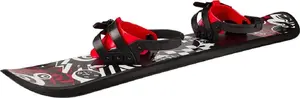
Spartan Sport
Cover PanzerGlass CARE by Flagship Case Smokey Urban Combat Black MagSafe iPhone 16 Pro
Delivery: 09.11.2026
49.99 €
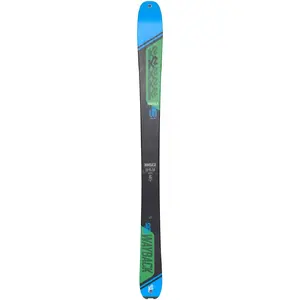

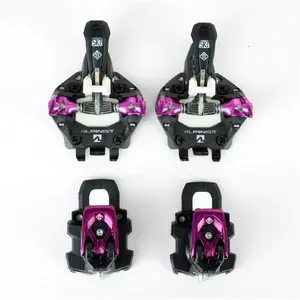
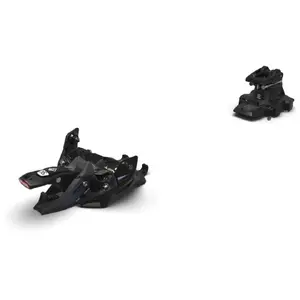
K2
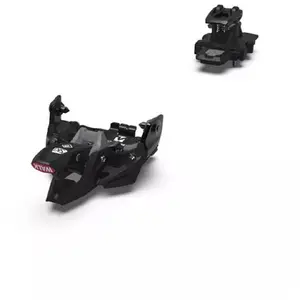
K2 Alpinist 10 Long Travel Touring Ski Bindings with DIN 4-10 and Adjustable Heel
Delivery: 05.11.2026
698.49 €
K2
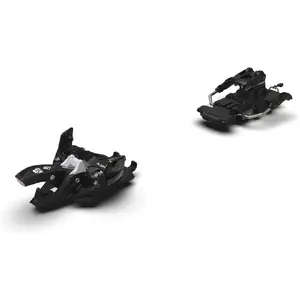
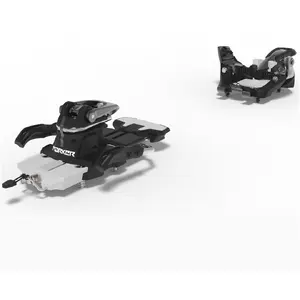
K2 MARKER ALPINIST 12 LT 105MM Skitouring Bindings with 105 mm Brake
Delivery: 05.11.2026
768.49 €

K2
K2 MARKER ALPINIST DEMO 10 Touring Ski Bindings with 105mm and 90mm brakes
Delivery: 05.11.2026
783.99 €
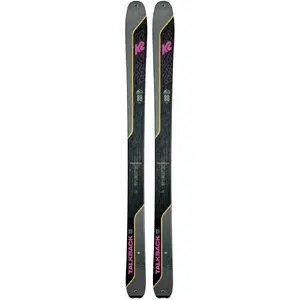
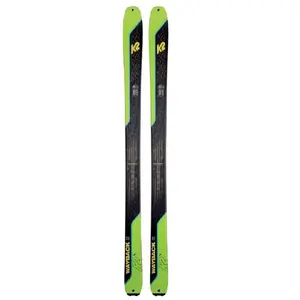
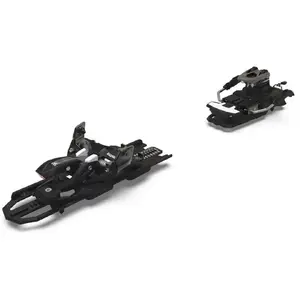
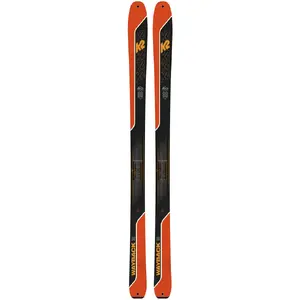
Skis are long, narrow equipment designed to glide over snow surfaces and are used in winter sports and transportation contexts. They consist of a shaped board with a base suitable for sliding, edges for control, and mounting points for bindings that connect the skier’s boots. Skis are selected for a range of conditions including groomed slopes, powder snow, cross-country tracks, and alpine touring routes, and are available in different constructions and materials to match intended use. Consumers choose skis based on factors such as terrain type, skier ability, body size, and compatibility with bindings and boots. Properly matched skis affect stability, turning performance, and energy efficiency while skiing. Maintenance considerations such as waxing, edge tuning, and regular inspection influence ski lifespan and performance.
Types of Skis
Common types of skis are distinguished by design and intended use. These categories summarize typical forms and applications.
- Alpine skis: Stiffer, directional skis for downhill resort skiing and lift-served runs.
- All-mountain skis: Versatile skis designed to perform across groomed runs and moderate off-piste terrain.
- Freestyle skis: Shorter, symmetric or twin-tip skis optimized for park features, jumps, and tricks.
- Powder skis: Wider skis with increased surface area to improve flotation in deep, soft snow.
- Touring (backcountry) skis: Lightweight skis compatible with climbing bindings and skins for uphill travel and downhill performance off groomed trails.
- Cross-country skis: Narrow, lightweight skis for groomed tracks and varied flat or rolling terrain; include classic and skate styles.
- Telemark skis: Skis used with free-heel telemark bindings and technique, often similar to alpine skis but set up for that style.
What are Skis used for?
Skis are used to travel and perform on snow, with applications spanning recreational sport, competitive events, and practical winter mobility. Recreational users employ skis for downhill resort skiing, park riding, backcountry touring, or cross-country exercise. Competitive disciplines include alpine racing, freestyle competitions, ski mountaineering, and cross-country races. Skis are also used in instructional settings for ski schools and training programs, and by professionals engaged in mountain guiding or ski patrols where movement on snow is required.
Key Differences between Skis
Differences among skis arise from dimensions, construction, and intended use, each affecting on-snow behavior.
- Length: Longer skis provide higher speed stability and flotation, while shorter skis offer easier turning and maneuverability.
- Width (waist and tip/tail): Wider skis increase flotation in soft snow; narrower skis are quicker edge-to-edge for groomed snow and racing.
- Flex and stiffness: Stiffer skis deliver stability at speed and under load; softer skis are more forgiving for beginners and park use.
- Shape and rocker/camber profile: Rocker promotes floatation and ease of turn initiation; camber enhances edge contact and grip on firm snow.
- Weight and core materials: Lighter constructions favor uphill travel and reduced fatigue; heavier builds may add dampening and stability at high speed.
- Binding compatibility: Mounting systems and binding standards determine boot interface and are critical for safety and performance.
How to Choose Skis?
Select skis by matching their characteristics to your skiing goals, physical measurements, and equipment compatibility. Start by identifying the primary discipline (alpine, all-mountain, touring, freestyle, powder, or cross-country). Consider skier height, weight, and skill level to determine appropriate length and flex. Choose ski width and profile based on typical snow conditions—narrower for firm groomers, wider for powder and mixed off-piste. Check binding mounting standards and ensure compatibility with your ski boots and release settings appropriate for your weight and ability. Evaluate construction materials and weight if uphill travel or agility are priorities. Finally, consider maintenance needs and buy skis that fit your ability to care for edges and base; consult size charts and technical specifications when available.
Why is it worth buying skis at AiO.lv?
At the AiO.lv online store, you can place an order at a great price with delivery across Latvia — to Riga, Daugavpils, Liepaja, Jurmala, Ventspils, and other cities, as well as throughout Europe. We offer products from leading manufacturers: K2, Spartan Sport. When you shop with us, you get:
- official warranty and guaranteed quality;
- convenient payment options (including installment and credit);
- fast and reliable delivery across Latvia and to any EU country.
FAQ
Where can you find a skis with cheap prices?
You can buy cheaper at the AiO.lv online store. We offer competitive prices and regular discounts, so you always have the chance to find a great deal.
What is the delivery time for skis?
If you place your order today, delivery will take between 1 and 5 business days depending on the chosen method.
How long is the warranty period for skis?
Our store provides an official manufacturer’s warranty ranging from 12 to 36 months, depending on the model and brand. If needed, you can always contact our customer service department or the manufacturer’s authorized service center for support.
Are skis purchasable with leasing?
Yes, if the selected product costs more than €50. You can learn more about installment purchase options and the terms of application on the Payment page.
Can skis be purchased for a company (with VAT)?
Yes. AiO.lv works with legal entities in Latvia and throughout Europe. All product prices are shown with VAT included. In certain cases, a 0% VAT rate may apply — for example, when purchasing from other EU countries with a valid VAT number. We issue an invoice immediately after the order is placed, support BIS electronic invoices, and automatically generate all required accounting documents. To complete a purchase for a company, simply select the company profile during checkout.


