


Add to wish listAdd to AI comparison
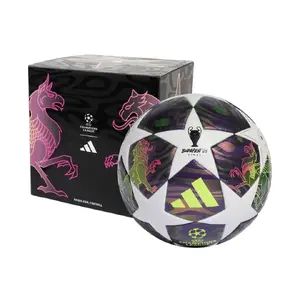
OEMDelivery: 02.12.2026
adidas UCL 25/26 Final League Box Football Purple and White Size 4 JX9101Delivery: 02.12.2026
38.49 €
Add to cart

Necessary cookies enable the site’s essential functions, including authentication and security, saving the shopping cart, placing orders, selecting a language, and retaining other user settings. They are always active because the site cannot work correctly without them. These cookies are not used for analytics or advertising.
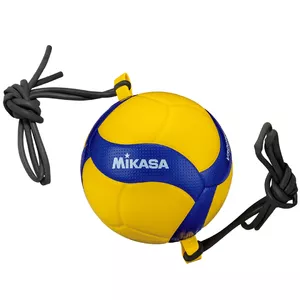
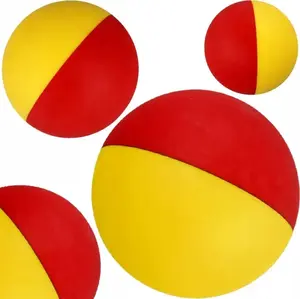
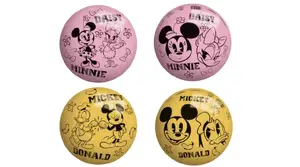


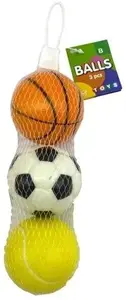
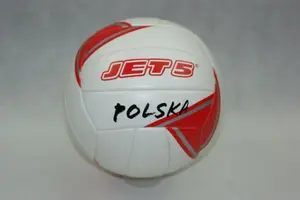
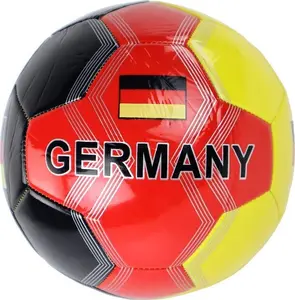
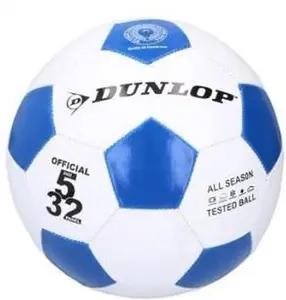
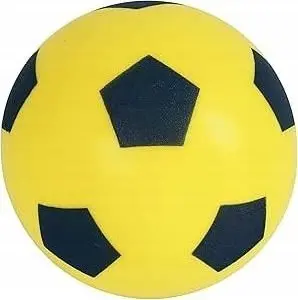

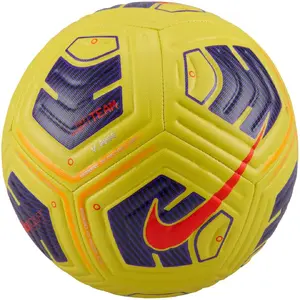

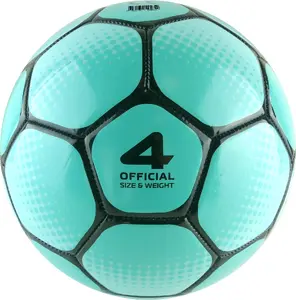
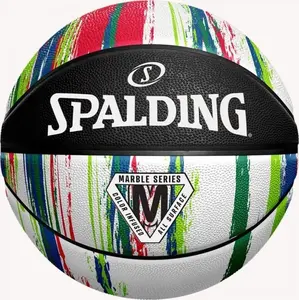
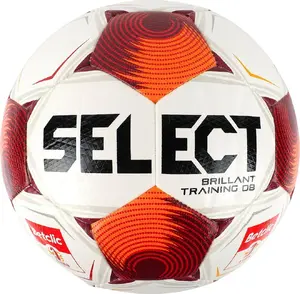
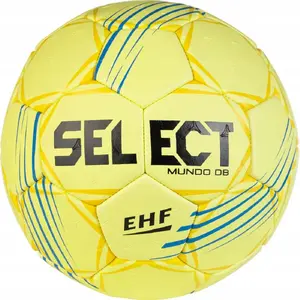
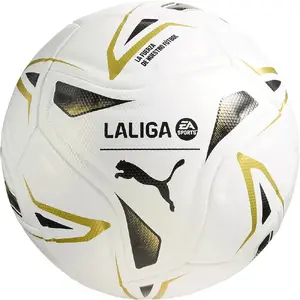
Sports balls are spherical or near-spherical objects designed for use in athletic activities, training, and organized sports. They serve as essential equipment in games where passing, throwing, kicking, bouncing or striking a ball is the primary action. Sports balls are chosen based on sport rules, playing surface, level of play, and user preferences such as size, weight, and material. These products appear in individual practice, team training, competitive matches, and recreational play, and their construction affects handling, durability, and performance. Buyers select sports balls to meet regulatory size and weight specifications, to fit indoor or outdoor conditions, or to support skill development and conditioning.
Common types of sports balls vary by sport and design. Typical categories include:
Sports balls are used for practice, skill development, competitive play, physical education, and recreational activities. They enable sport-specific drills—passing, shooting, dribbling, serving, or tackling—depending on the discipline. Coaches and athletes use balls to simulate match conditions, measure progress, and maintain conditioning. Some balls are also used for rehabilitation exercises and general fitness work. Equipment choice can affect safety, accuracy of training, and consistency in performance measurement.
Differences among sports balls arise from size, weight, material, internal pressure, surface texture, and construction method. Size and weight influence handling and are often regulated by sport governing bodies. Materials—such as natural or synthetic leather, rubber, or composite textiles—determine durability and grip. Internal pressure affects bounce and flight; pressurized balls behave differently from pressureless models. Surface texture and seam design influence aerodynamics and player control. Construction quality and intended environment (indoor, outdoor, water) also affect longevity and performance.
Selecting an appropriate sports ball requires matching the ball to the sport, age group, and playing surface. Consider official size and weight standards when purchasing for competitive use. For training or recreational play, evaluate material and durability relative to frequency of use and surface type. Check whether the ball is pressurized and whether it requires pumps or special maintenance. For indoor vs outdoor play, choose materials and seams suited to the environment. Finally, when possible, verify product specifications such as diameter, circumference, weight, and recommended pressure to ensure compatibility with intended use.
Order online at AiO.lv at a good price, with delivery across Latvia and to other EU countries. We deliver to Riga, Daugavpils, Liepāja, Jūrmala, Ventspils and other cities. We offer products from leading manufacturers.

We are confident in our quality, but if the purchase doesn’t fit — you have 14 days to return the product with peace of mind.

Get your orders as quickly as possible — right to your door, parcel lockers, or pickup points across Latvia and the EU.

Pay the way you prefer: cash, VISA, MasterCard, Apple Pay, Google Pay, bank transfer, or 0% installment plan.

AiO.lv has been on the market for over 18 years and has earned trust — with more than 6000 genuine positive reviews on Google.