Powerful EcoFlow stations for energy anywhere!

{{ totalProductsCount }}
In cart {{totalProductsCount}} item(s)
In cart {{totalProductsCount}} item(s)
Total:
{{sum | formatAmount}}
Your cart is empty
Cookware and kitchenware
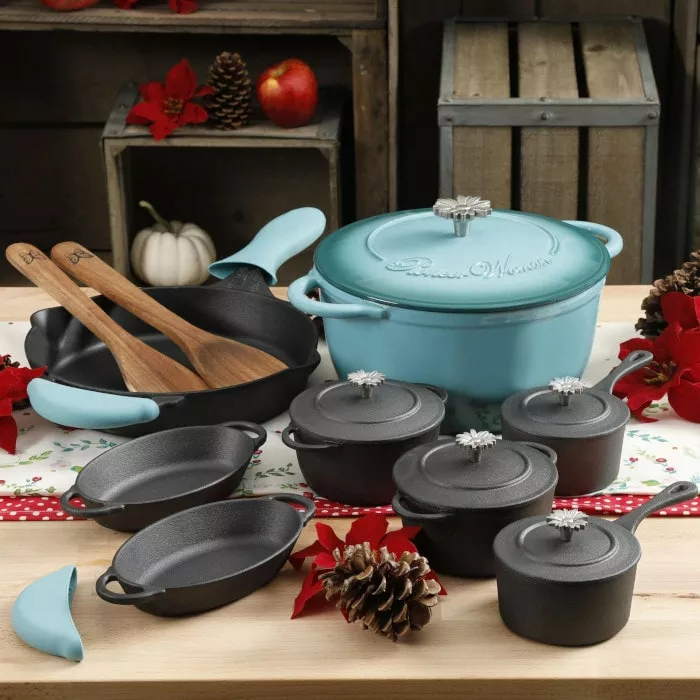
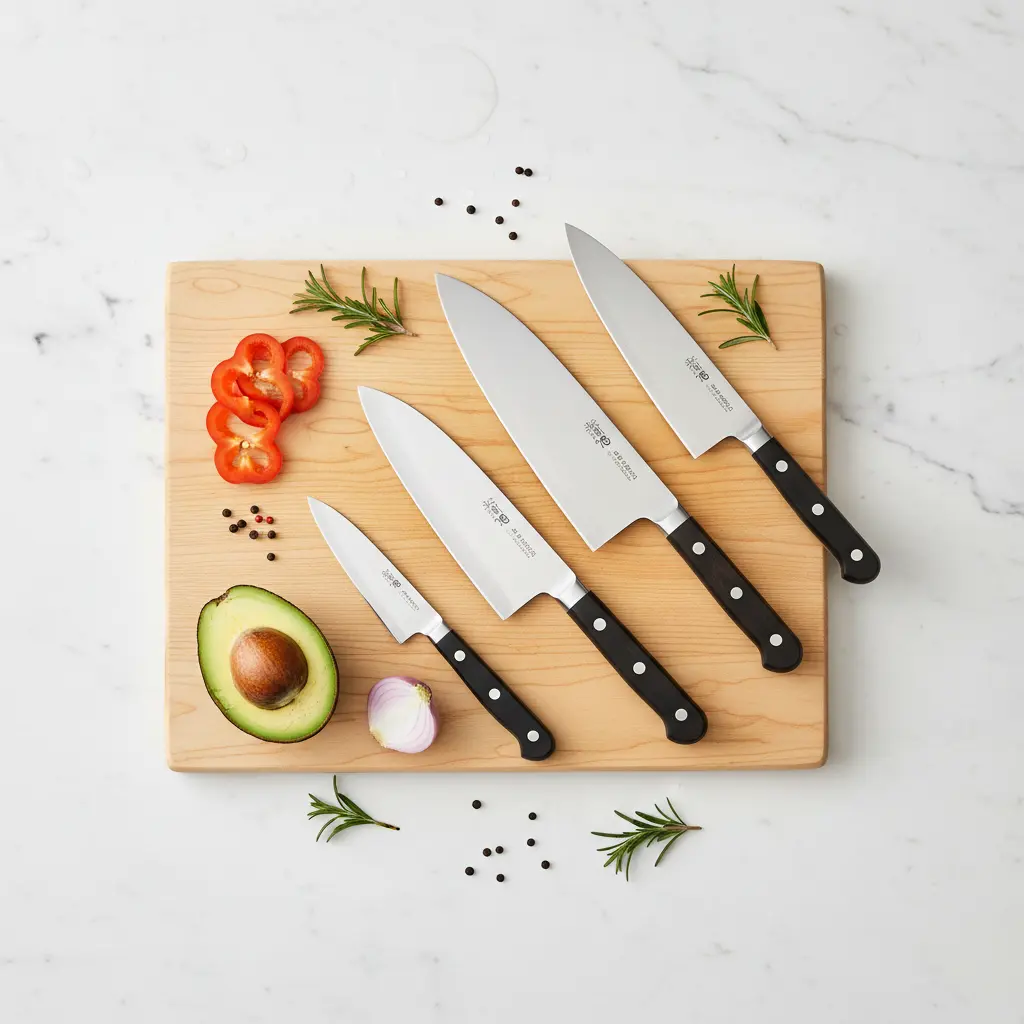
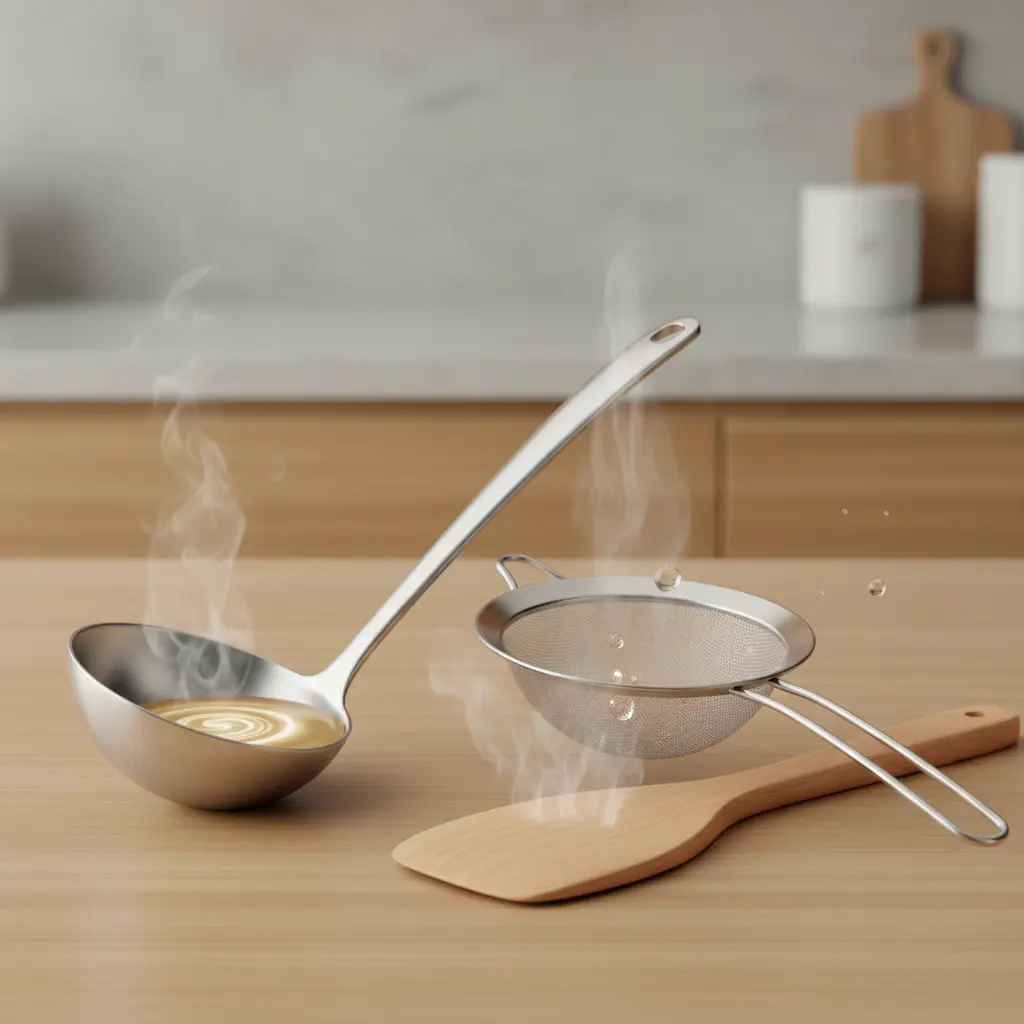




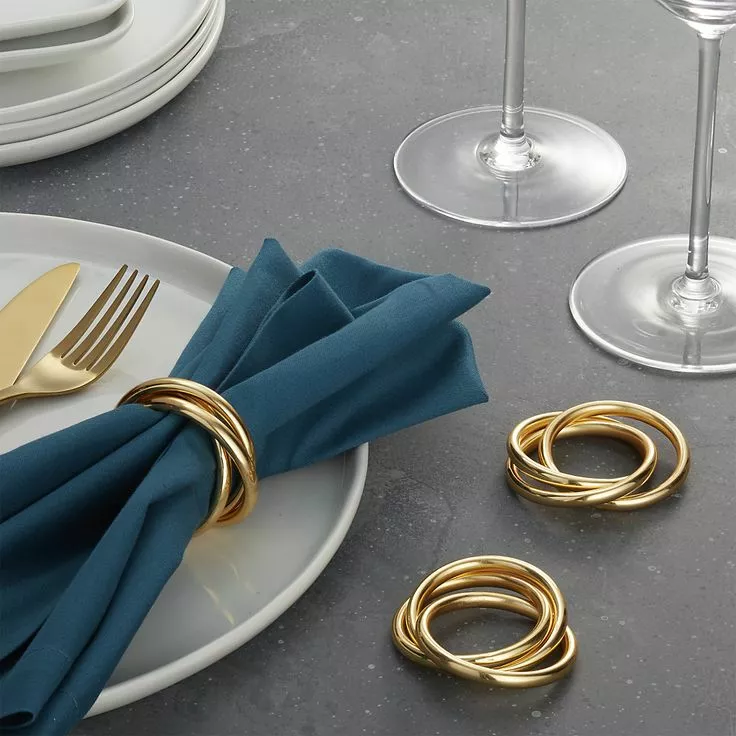




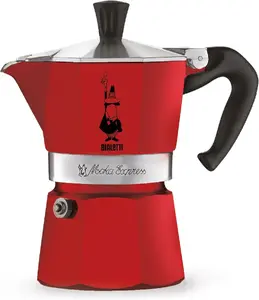
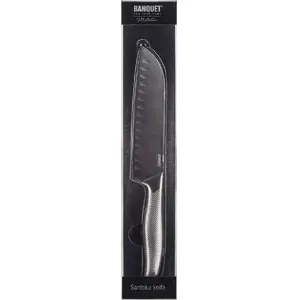
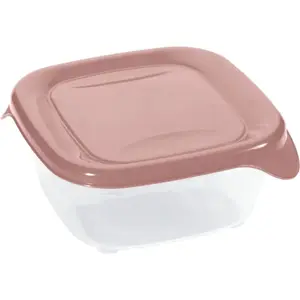
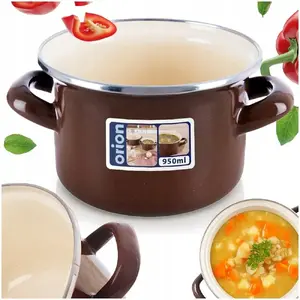
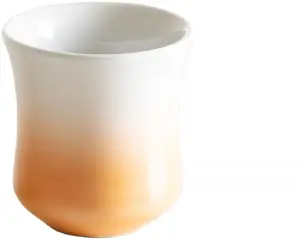
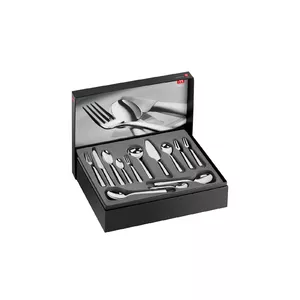
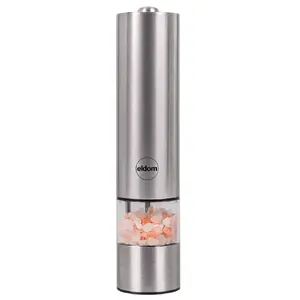
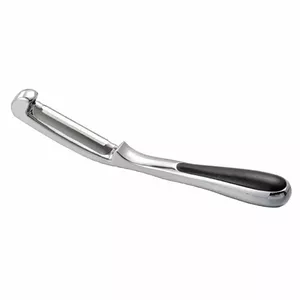

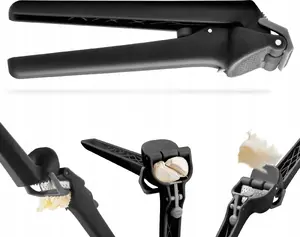
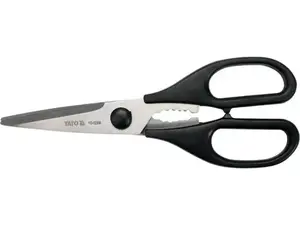

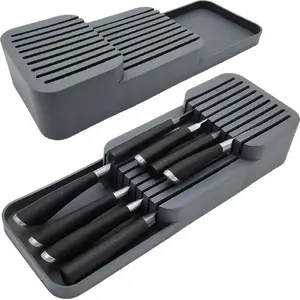
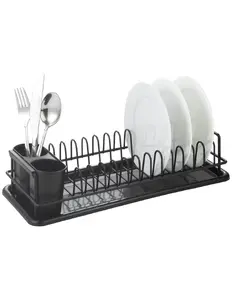

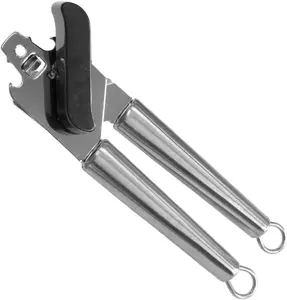

Cookware and kitchenware includes a broad range of tools, pots, pans, knives, utensils and accessories designed for food preparation, cooking and serving in home and professional kitchens. These items are used to boil, fry, bake, steam, mix, measure and serve ingredients and finished dishes, and are selected based on cooking method, heat source, material durability and ease of cleaning. Customers choose cookware and kitchenware for everyday meal preparation, baking, meal plating, food storage and occasional specialized tasks such as grilling or preserving. Materials commonly found in this category include stainless steel, cast iron, aluminium, non-stick coatings, glass and silicone, each offering specific thermal, weight and maintenance characteristics. Designs vary to suit induction or gas cooktops, oven use and countertop work, and many products are rated for dishwasher safety or require hand washing. Proper selection and maintenance of cookware and kitchenware affect cooking results, equipment longevity and kitchen efficiency.
Types of Cookware and kitchenware
The category contains distinct product groups used at different stages of food preparation and service.
- Pots and pans: saucepans, stockpots, frying pans, sauté pans and Dutch ovens for boiling, braising, frying and simmering.
- Bakeware: baking sheets, loaf pans, cake tins and oven dishes designed for baking and roasting.
- Kitchen tools and utensils: spatulas, ladles, whisks, tongs, peelers and peelers for handling and preparing food.
- Cutting and prep tools: chef knives, paring knives, cutting boards and mandolines for chopping, slicing and dicing.
- Small appliances and accessories: kettles, graters, sieves, measuring cups, food thermometers and timers that assist specific tasks.
- Storage and serving: food containers, serving utensils, platters and lids for storage and presentation.
- Specialty items: steamers, pressure cookers, grills and cookware sets tailored for particular cooking techniques.
What are Cookware and kitchenware used for?
Cookware and kitchenware are used across the workflow of food preparation from ingredient processing to final serving.
- Heat-based cooking: frying, sautéing, boiling, simmering, roasting and baking using pots, pans and bakeware.
- Preparation: cutting, peeling, mixing and measuring with knives, boards, bowls and measuring tools.
- Temperature control and finishing: using thermometers, lids and lids to maintain heat and finish dishes.
- Serving and storage: presenting food on platters and storing leftovers in suitable containers.
- Special techniques: pressure cooking, steaming, griddling and slow cooking with dedicated cookware.
Key Differences between Cookware and kitchenware
Cookware and kitchenware overlap but differ by primary function, material properties and heat tolerance.
- Function: cookware generally refers to items intended for direct heat cooking (pots, pans, cookware sets), while kitchenware covers a wider set including utensils, cutting tools and storage solutions.
- Material and heat resistance: cookware often requires materials that tolerate high temperatures and provide even heat distribution; kitchenware may include heat-sensitive materials like silicone or plastic for handling and storage.
- Design and ergonomics: cookware emphasizes handles and lids designed for stove and oven use; kitchenware focuses on grip, precision and ease of cleaning for prep and serving tasks.
- Maintenance: some cookware requires seasoning or careful cleaning (cast iron, carbon steel), while many kitchenware items are low-maintenance or dishwasher-safe.
- Compatibility: cookware must match heat sources (induction-capable bases, oven-safe ratings), whereas kitchenware compatibility concerns size, fit and storage.
How to Choose Cookware and kitchenware?
Select items based on cooking habits, heat source, material properties, maintenance needs and budget.
- Identify primary uses: choose pots and pans for frying or simmering, bakeware for oven cooking, and specific utensils for frequent tasks.
- Match materials to needs: stainless steel for durability, non-stick for low-fat cooking, cast iron for heat retention, and glass or silicone for microwave use.
- Check heat-source compatibility: ensure cookware is suitable for induction, gas, electric or oven use as required.
- Consider maintenance and safety: review dishwasher ratings, recommended cleaning methods and any required seasoning or reconditioning.
- Evaluate ergonomics and storage: choose comfortable handles, secure lids and stackable or space-saving designs when storage is limited.
- Balance cost and longevity: invest in key pieces that match frequency of use and replace lower-cost items as needed.


