Powerful EcoFlow stations for energy anywhere!

{{ totalProductsCount }}
In cart {{totalProductsCount}} item(s)
In cart {{totalProductsCount}} item(s)
Total:
{{sum | formatAmount}}
Your cart is empty
Electric Ride-On Cars & Go-Karts for Kids
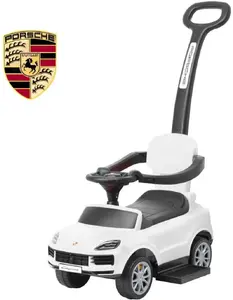
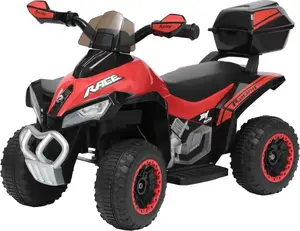
Enero
Electric Quad ATV Enero QUAD MICRON — children's electric quad, red, model 1032788
Delivery: 10.08.2026
69.99 €
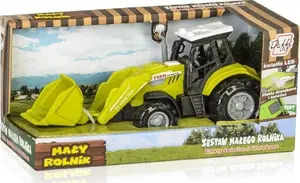
Daffi
Toy tractor loader Daffi Traktor ładowarka model 487408 – branded children's ride-on/push toy
Delivery: 10.08.2026
6.99 €
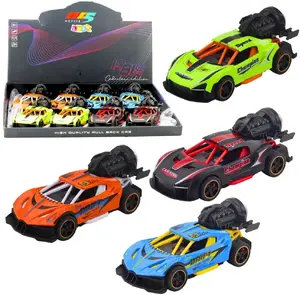
LEANToys
LEANToys ride-on toy car model 23149 with lights, sounds and smoke effect
Delivery: 10.08.2026
7.99 €
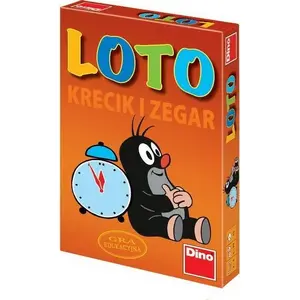
Pro Kids
Children's ride-on toy Pro Kids Krecik i zegar by Pro Kids (MPN 73996)
Delivery: 10.08.2026
10.49 €
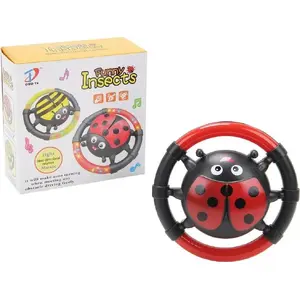
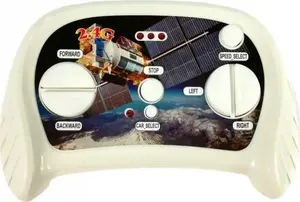
No name
Ride-on electric car No name Audi Q5 — 2-seat battery-powered children's vehicle
Delivery: 10.08.2026
19.99 €

lean cars
Electric Ride-On Car lean cars Pilot WXE-8988 for Children — Battery-Powered Toy Vehicle
Delivery: 10.08.2026
20.49 €
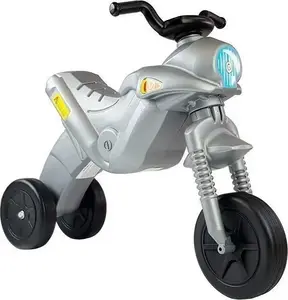
LEAN Sport
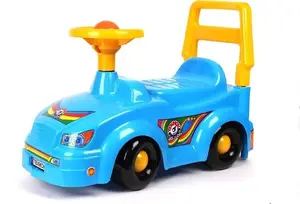
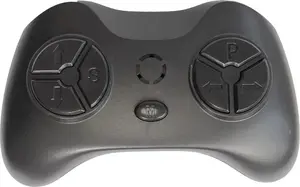
Electric Ride-On Vehicle LEAN Sport McLaren Senna — children's battery-powered car, model 5527-uniw
Delivery: 10.08.2026
21.49 €
lean cars
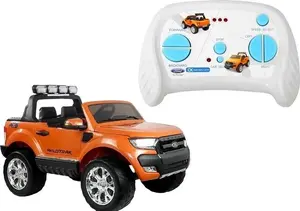
Ride-on car Lean Cars Pilot for children — Ford Ranger, remote control 2.4G
Delivery: 10.08.2026
21.99 €
LEAN Sport
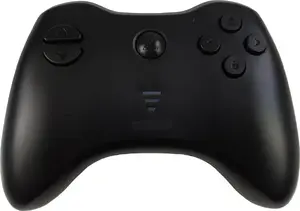
Electric Ride-On Car LEAN Sport Mercedes C63 model QY1588 for children (MPN 3337)
Delivery: 10.08.2026
21.99 €
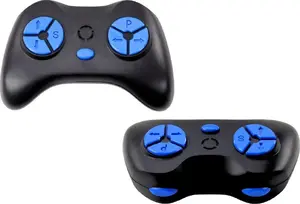
lean cars
Electric ride-on car Lean Cars Pilot TX19-B — children's battery-powered vehicle with 2.4G remote control
Delivery: 10.08.2026
22.99 €
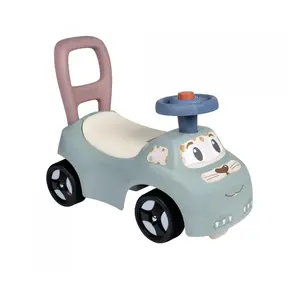
Smoby SAS
Ride-on car Smoby SAS 140503, push drive, 4 wheels, for age 1+, grey
Delivery: 13.08.2026
23.49 €
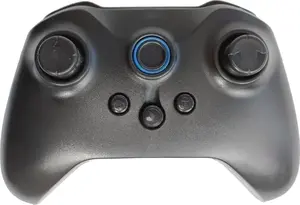
Lean
Children's Ride-On Vehicle Lean model SX1888 / SX1818 / SX1938 — Battery-Powered Ride-On Toy
Delivery: 10.08.2026
24.49 €
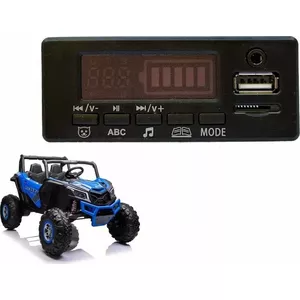
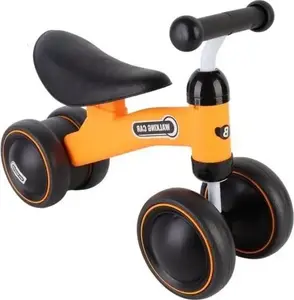
Pro Kids
Ride-on toy Pro Kids 630315 Mix — children's push car / walker, age-appropriate mobility aid
Delivery: 10.08.2026
24.99 €
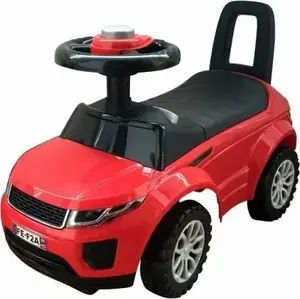
Apple
Ride-on car by Apple model 613 RED — children's electric ride-on toy, single-seater
Delivery: Friday
25.49 €
Electric cars and karts are battery-powered vehicles designed for personal transport, recreation, training, and competitive use. They include small-scale electric cars for children, adult-sized low-speed neighborhood vehicles, and performance-focused electric karts for track use. These products are chosen when users prioritize quieter operation, lower local emissions at the point of use, simplified drivetrain maintenance, or compact urban mobility and leisure driving. Typical scenarios include family play areas, hobby racing, karting schools, short-distance local travel, and controlled recreational environments. Electric models vary in speed, range, battery type, and charging requirements, which affects suitability for different users and settings.
Types of Electric cars and Karts
Common types within this category cover a range of sizes and purposes. Each type is described by typical features and intended use.
- Children's electric cars — battery-powered ride-on vehicles with simplified controls, lower speeds, and safety features such as parental remote control and speed limiters.
- Neighborhood electric vehicles (NEVs) — low-speed, street-legal or near-street-legal electric cars designed for short trips, local errands, or gated communities; they usually have closed cabins, seating for two or more, and limited top speeds.
- Electric karts for recreation — purpose-built small vehicles for leisure driving on private tracks or karting facilities, emphasizing ease of use and durable construction.
- Competitive electric karts — higher-performance karts with stronger motors, advanced battery systems, and racing chassis used in organized karting competitions and training.
- Conversion and kit-based electric karts — DIY or semi-professional kits that convert petrol karts to electric power or allow custom assembly for specific performance goals.
What are Electric cars and Karts used for?
Electric cars and karts serve practical, educational, and recreational roles depending on model and specifications.
- Recreation and play — children’s ride-ons and leisure karts for parks, private properties, and play centers.
- Training and skill development — karting schools and beginner programs use electric karts for controlled learning because of predictable power delivery and adjustable performance settings.
- Short-distance transport — NEVs and small electric cars provide local mobility for short commutes, campus travel, or within resort and gated community areas.
- Competitive racing — electric racing karts are used in organized events and practice sessions where instant torque and precise control are advantageous.
- Educational and experimental projects — conversion kits and DIY platforms support technical education in electric drivetrains, battery management, and vehicle dynamics.
Key Differences between Electric cars and Karts
Differences arise from design purpose, performance, safety features, and regulatory status.
- Design and size — electric cars are typically larger with enclosed cabins and seating arrangements, while karts are compact, low to the ground, and built for handling and agility.
- Performance and speed — karts often prioritize acceleration and cornering for track use; electric cars prioritize range, passenger comfort, and practical speed limits for local travel.
- Regulatory and legal classification — neighborhood electric vehicles may be subject to low-speed vehicle regulations, while recreational karts usually operate on private tracks and follow facility rules rather than road traffic laws.
- Safety features — electric cars commonly include seat belts, roll cages (in some models), and weather protection; karts focus on chassis strength, helmets, and circuit safety measures.
- Maintenance and components — karts tend to have simpler drivetrains and easier access for tuning, whereas electric cars may include more complex systems such as battery management units and cabin electronics.
How to Choose Electric cars and Karts?
Choosing the right product depends on intended use, user age and skill, regulatory environment, and practical constraints like storage and charging.
- Define purpose — decide if the vehicle is for child play, recreational karting, competitive racing, or local transport; each purpose favors different specifications.
- Consider user profile — check age limits, weight capacity, control complexity, and safety requirements appropriate for children, teens, or adults.
- Evaluate performance specs — assess top speed, acceleration, range per charge, and battery type to match expected use and track or route conditions.
- Review safety and compliance — confirm required safety features, local regulations for NEVs or track operation rules for karts, and helmet or restraint needs.
- Check charging and maintenance needs — verify charger type, charging time, battery replacements, and ease of service for components like motors and controllers.
- Inspect build quality and parts availability — prioritize durable frames, reliable electrical systems, and access to spare parts or service documentation.
Which electric ride-on cars & go-karts for kids are the most popular and affordable in 2026?
The full list of popular models at affordable prices is available on this page. In 2026, the following models show high demand and an excellent price-to-quality ratio:
- 1life B012 Pedal Go-Kart with Pneumatic Tires Black for 305.49€
- Lean Cars B012 Pedal Go-Kart with Pneumatic Tires Blue for 335.49€
Why is it worth buying electric ride-on cars & go-karts for kids at AiO.lv?
At the AiO.lv online store, you can place an order at a great price with delivery across Latvia — to Riga, Daugavpils, Liepaja, Jurmala, Ventspils, and other cities, as well as throughout Europe. We offer products from leading manufacturers: Apple, OEM, PEGPEREGO, TEKA, SMOBY, Puky, BIG, rolly toys, KIDDIELAND, Triton, jakks pacific, Jamara, Rastar, Razor, Lena, Meteor, little tikes, Toyz, milly mally, Mercedes. When you shop with us, you get:
- official warranty and guaranteed quality;
- convenient payment options (including installment and credit);
- fast and reliable delivery across Latvia and to any EU country.
FAQ
Where can you find a electric ride-on cars & go-karts for kids with cheap prices?
You can buy cheaper at the AiO.lv online store. We offer competitive prices and regular discounts, so you always have the chance to find a great deal.
What is the delivery time for electric ride-on cars & go-karts for kids?
If you place your order today, delivery will take between 1 and 5 business days depending on the chosen method.
How long is the warranty period for electric ride-on cars & go-karts for kids?
Our store provides an official manufacturer’s warranty ranging from 12 to 36 months, depending on the model and brand. If needed, you can always contact our customer service department or the manufacturer’s authorized service center for support.
Are electric ride-on cars & go-karts for kids purchasable with leasing?
Yes, if the selected product costs more than €50. You can learn more about installment purchase options and the terms of application on the Payment page.
Can electric ride-on cars & go-karts for kids be purchased for a company (with VAT)?
Yes. AiO.lv works with legal entities in Latvia and throughout Europe. All product prices are shown with VAT included. In certain cases, a 0% VAT rate may apply — for example, when purchasing from other EU countries with a valid VAT number. We issue an invoice immediately after the order is placed, support BIS electronic invoices, and automatically generate all required accounting documents. To complete a purchase for a company, simply select the company profile during checkout.


