
Hurry and order now – up to 50% off!

{{ totalProductsCount }}
In cart {{totalProductsCount}} item(s)
In cart {{totalProductsCount}} item(s)
Total:
{{sum | formatAmount}}
Your cart is empty
Everything for Gamers






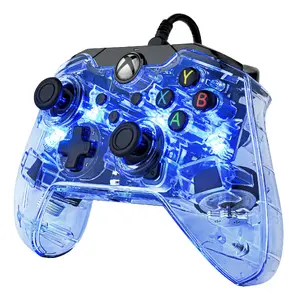




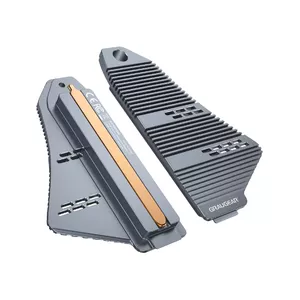
Everything for gamers is a category that groups hardware, peripherals, accessories and software tools designed to support gaming activities across PCs, consoles and mobile devices. These products include input devices, display and audio equipment, controllers, chairs, lighting, storage, network equipment and utilities that improve comfort, performance, or compatibility during play. Gamers choose items from this category to build a setup that meets technical requirements, ergonomic needs and personal preferences for genres, streaming or competitive play. Selection often depends on platform, budget, technical specifications and intended use cases such as single‑player, multiplayer online, content creation or speedrunning. This category is used by individuals who want to upgrade equipment, replace worn parts, customise their environment or add functionality like capture, chat and streaming. Listings are organized to help users compare specifications, compatibility and features relevant to gaming scenarios.
Types of Everything for gamers
Common product types include:
- Input devices: keyboards, mice, gamepads, joysticks and specialized controllers.
- Displays and visual accessories: monitors, VR headsets, screen mounts and capture cards.
- Audio equipment: headsets, microphones, speakers and audio interfaces.
- Furniture and ergonomics: gaming chairs, desks, wrist rests and monitor stands.
- Performance components and peripherals: graphics cards, CPUs, cooling solutions and external SSDs.
- Networking and streaming: routers, Ethernet adapters, webcams and stream decks.
- Lighting and aesthetic accessories: RGB lighting, decals, cable management and mats.
What are Everything for gamers used for?
Products in this category are used to enable, enhance or maintain gaming setups. They serve practical functions such as improving input accuracy, visual clarity, audio communication, thermal performance and network stability. Many items support specific tasks like recording gameplay, broadcasting live streams, or reducing latency in competitive matches. Ergonomic products reduce fatigue during extended sessions, while storage and power solutions ensure games and data are available and systems remain stable. Users select items based on concrete needs: better aim, smoother visuals, clearer voice chat, extended playtime or improved content production.
Key Differences between Everything for gamers
Key distinctions revolve around platform compatibility, performance metrics, ergonomics and form factor. Compatibility determines if a product works with PC, console or mobile devices and which operating systems or APIs are supported. Performance metrics include sensor resolution and polling rate for mice, refresh rate and response time for monitors, bitrate and latency for networking gear, and sample rate for audio devices. Ergonomic differences affect comfort and long‑term health, while form factor and connectivity (wired vs wireless, USB types, HDMI/DisplayPort versions) influence installation and use. Additional differences come from build quality, warranty, brand ecosystem and customization options like programmable buttons or RGB settings.
How to Choose Everything for gamers?
Choose products by matching technical specifications to your primary use case and platform. Identify must‑have features (e.g., high refresh rate monitors for competitive play or low‑latency controllers for console fighting games) and check compatibility with your system. Prioritize reliable connectivity and sufficient performance for target games, then consider ergonomics and adjustability for comfort. Read specifications for input lag, resolution, storage speed, and audio quality, and compare reviews for real‑world performance and durability. Balance budget against expected lifespan and warranty coverage, and plan for future upgrades by selecting modular or widely supported standards when possible.


