
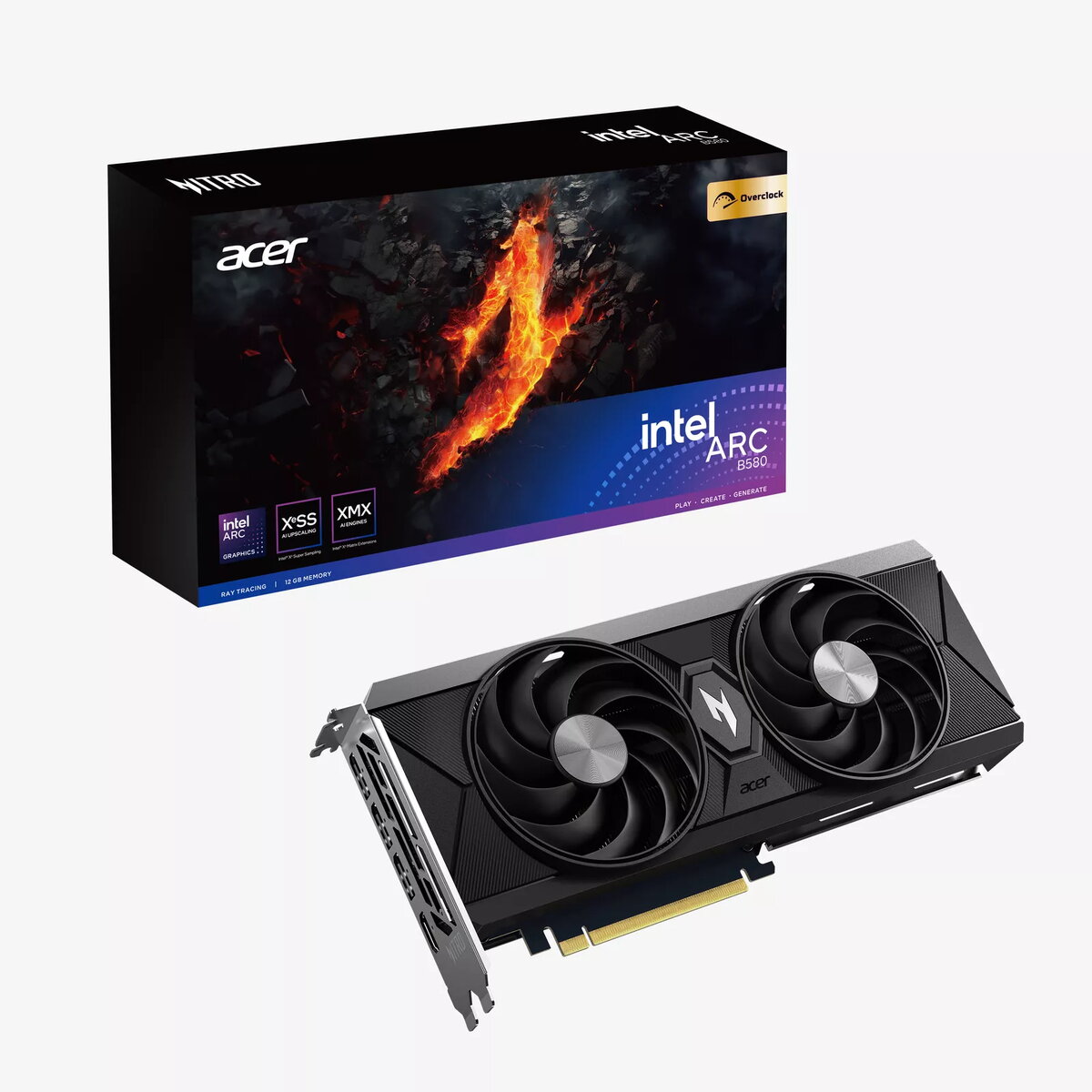
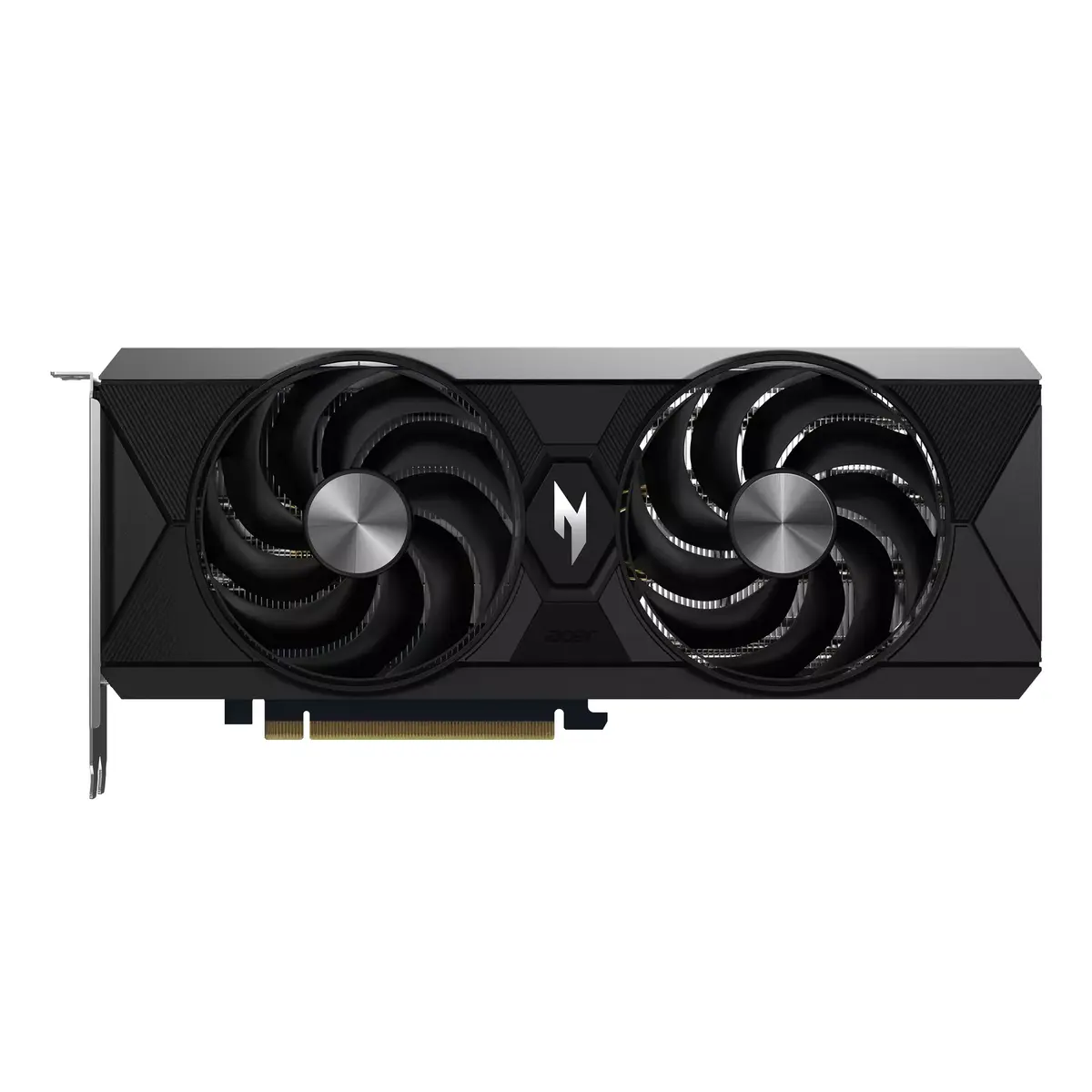
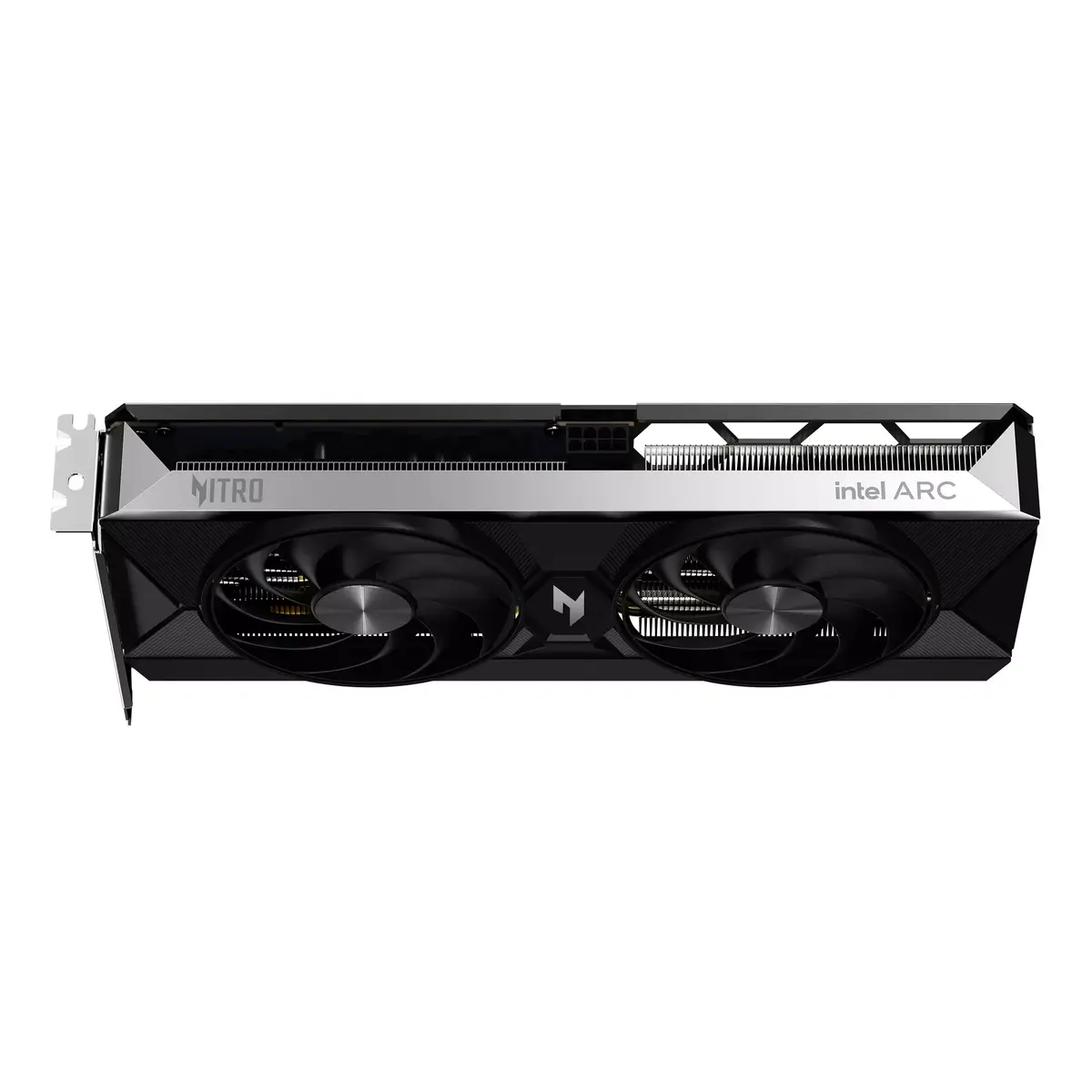
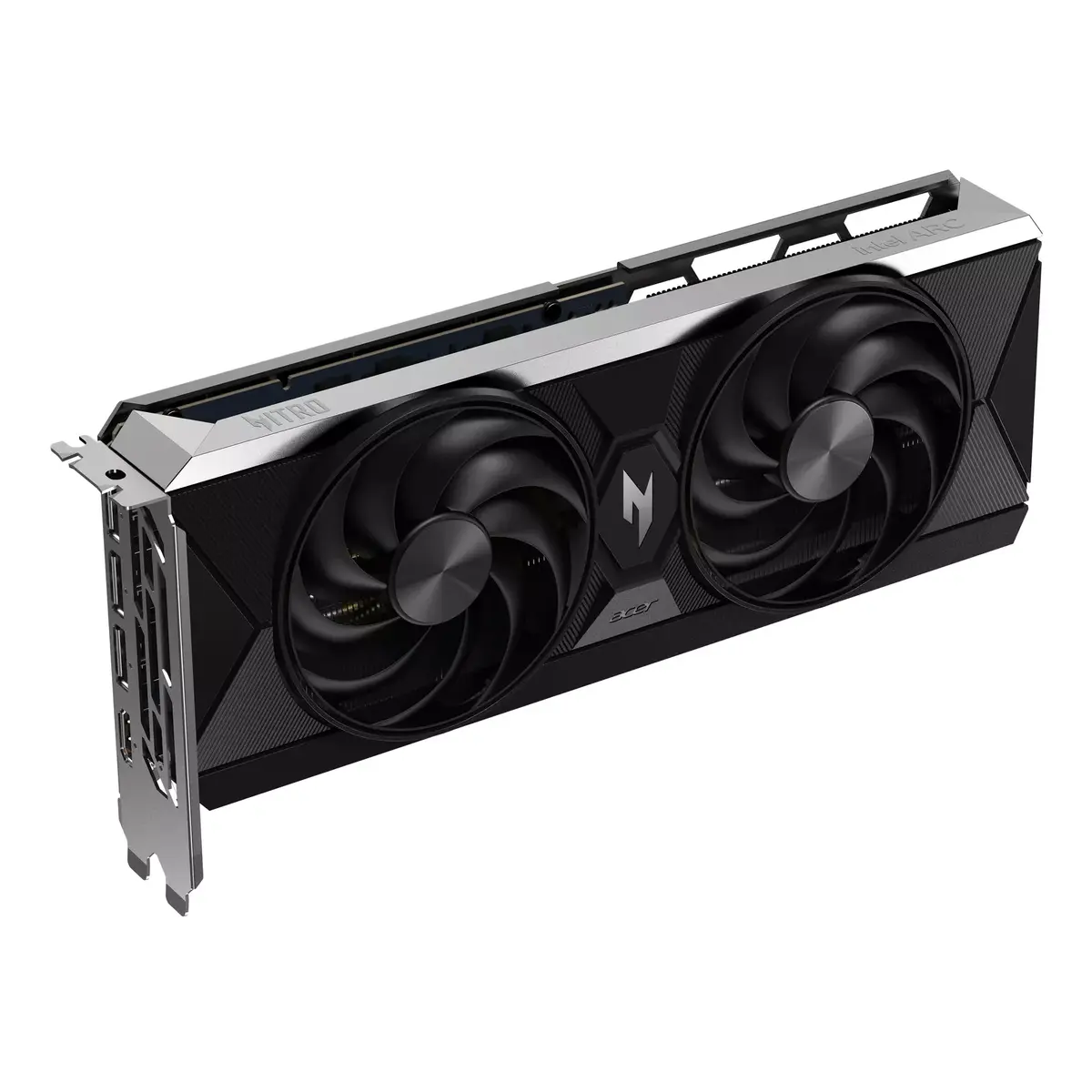
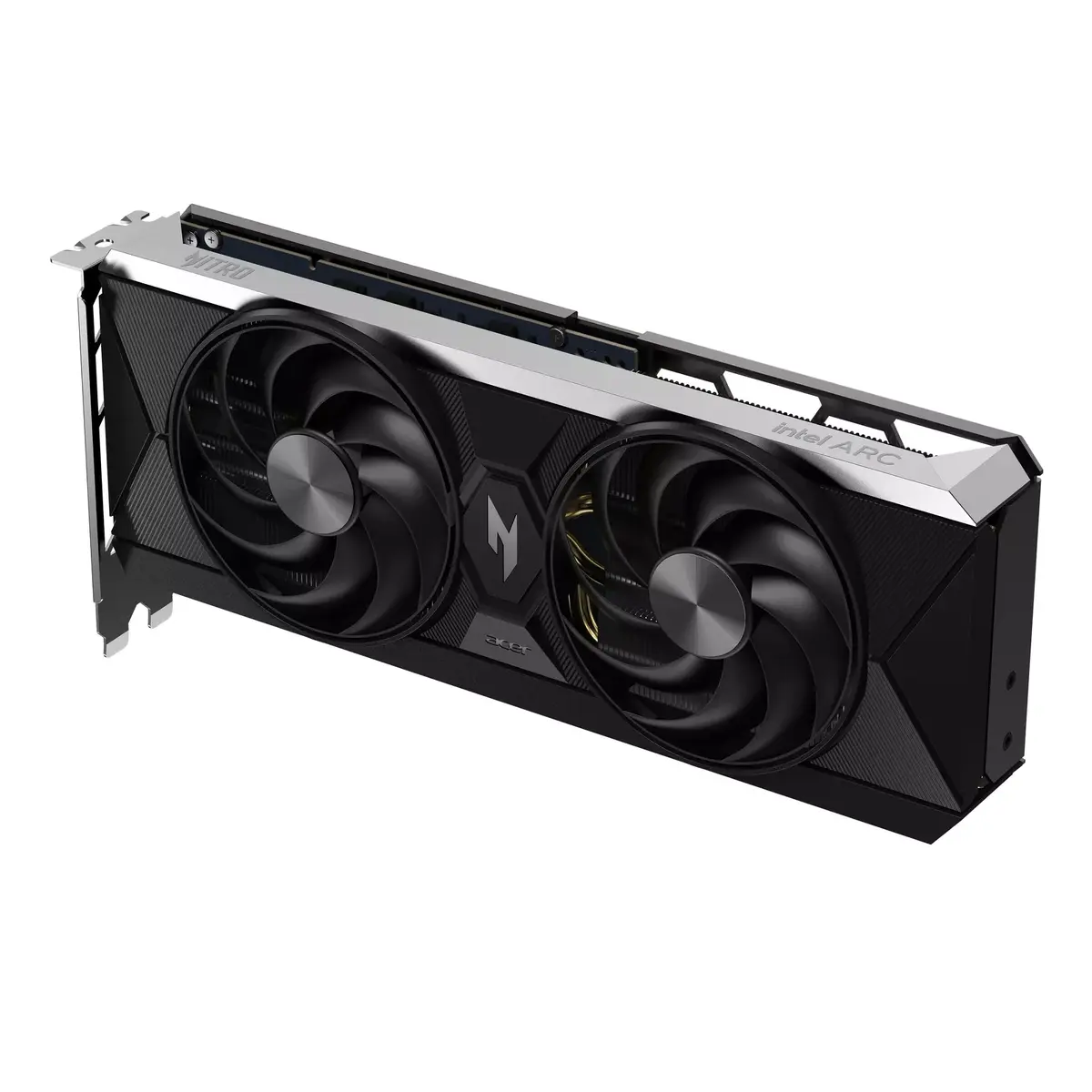
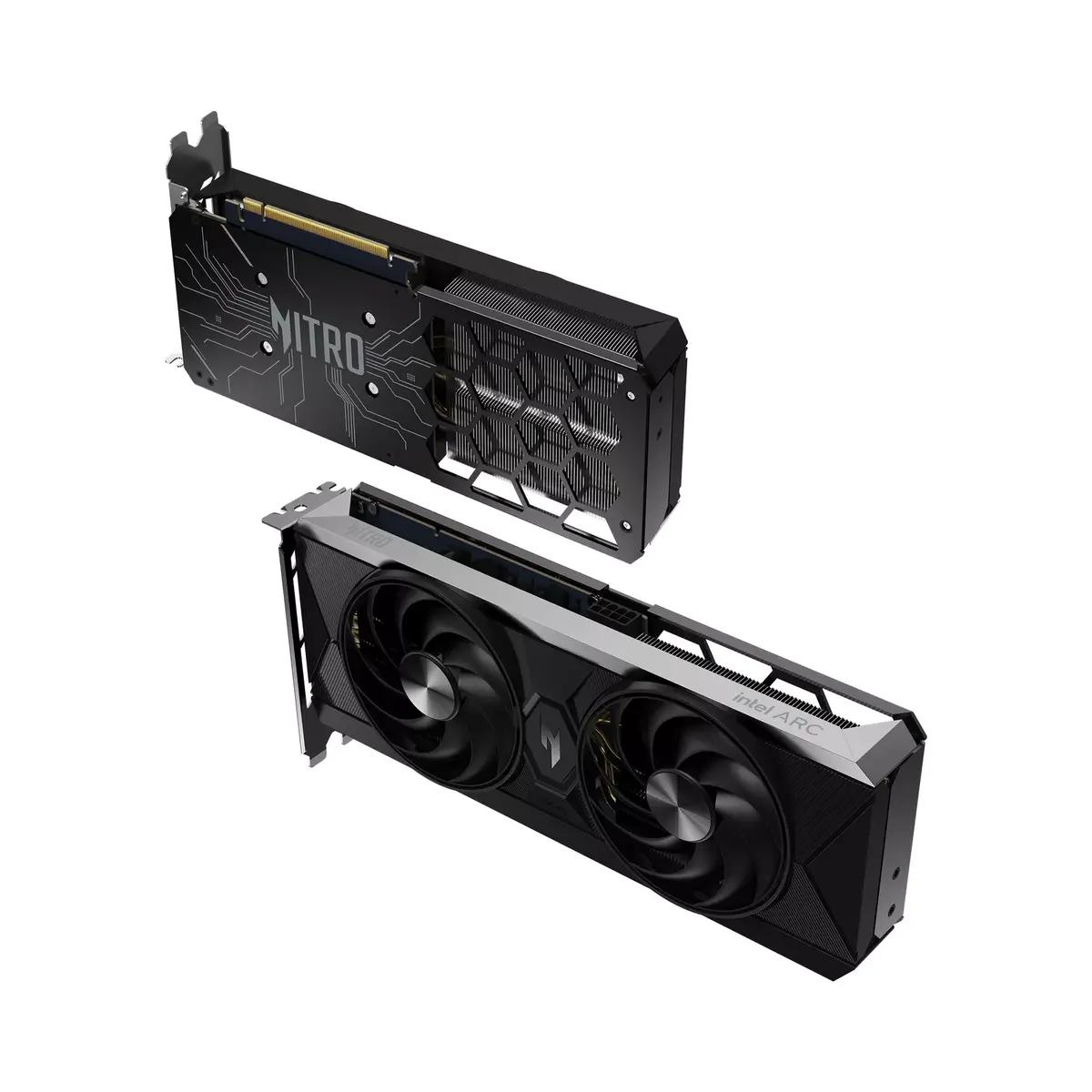
-
Processor frequency:
The clock rate is the fundamental rate in cycles per second (measured in hertz) at which a computer performs its most basic operations such as adding two numbers. There are more factors, like internal memory size, that influence a computer's actual response time.
-
2740 MHz
-
Weight:
Weight of the product without packaging (net weight). If possible, the net weight is given including standard accessories and supplies. Please note that sometimes the manufacturer leaves out the weight of accessories and/or supplies.
-
0.67 kg
-
Package weight:
Weight of the packaged product.
-
940 g
-
Graphics card memory type:
The type of memory used by the video card. Often a combination of dedicated memory (Video RAM or VRAM) and dynamic system memory is used. UMA stands for Unified Memory Architecture, and is a computer memory architecture that allows the graphics processing unit to share system memory. Other abreviations: RAM = Random Access Memory, SDRAM = synchronous dynamic RAM, DDR = double-data-rate.
-
GDDR6
-
Interface type:
-
PCI Express x8 4.0
-
Power supply:
The way in which the product is powered e.g. rechargeable battery, mains electricity connected via a plug and cable.
-
600 W
-
Height:
The measurement of the product from head to foot or from base to top.
-
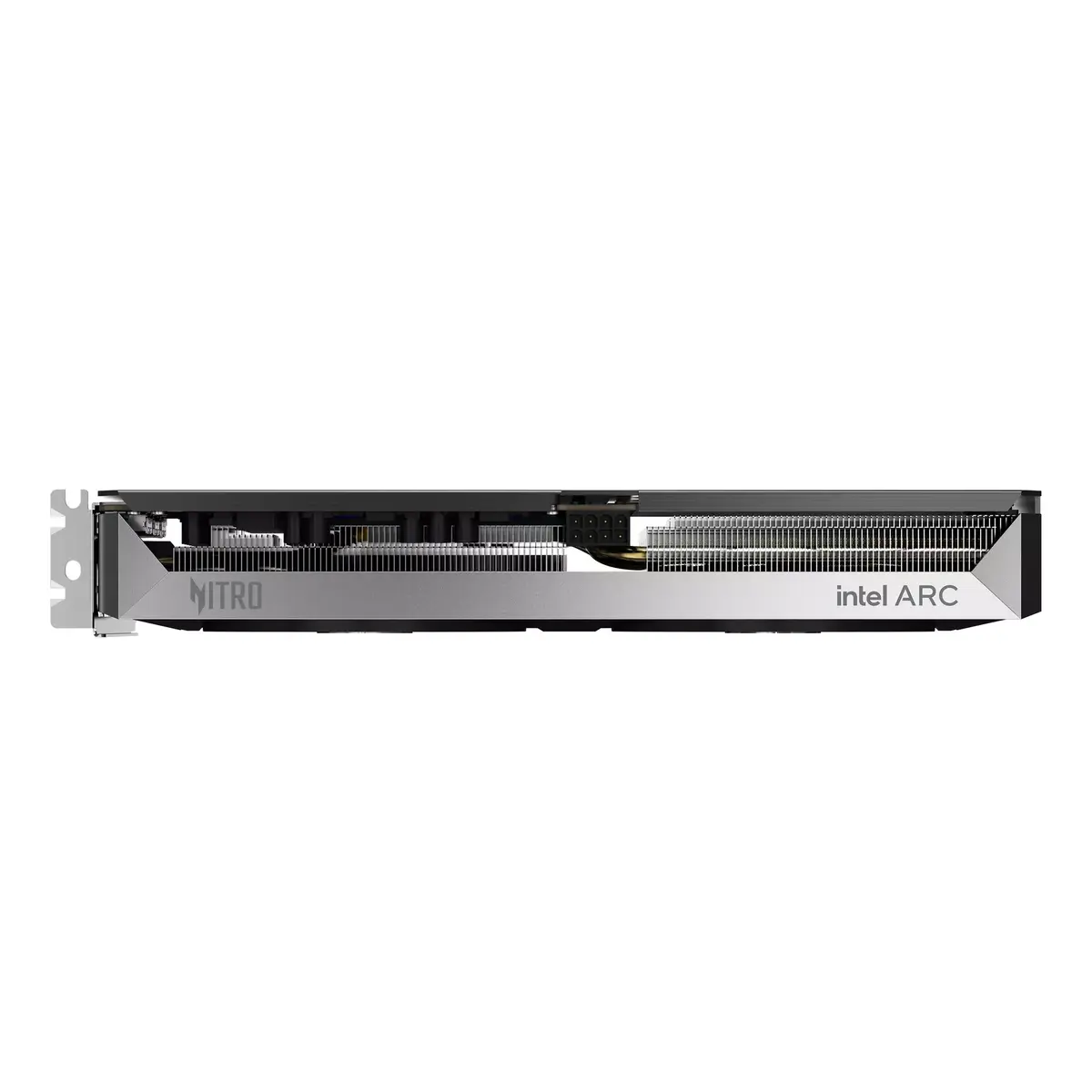
40 mm
-
Data transfer rate:
Rate at which data can be transferred. Usually expressed in units per second. May vary with network configurations.
-
19 Gbit/s
-
Memory bus:
Hardware and software that connects the main memory to the memory controller in computer systems. Originally, general-purpose buses like VMEbus and the S-100 bus were used, but to reduce latency, modern memory buses are designed to connect directly to DRAM chips, and thus are designed by chip standards bodies such as JEDEC.
-
192 bit
-
Depth:
The distance from the front to the back of something.
-
113 mm
-
Graphics processor:
Also known as a graphics processing unit (GPU), this is a specialized electronic circuit designed to rapidly manipulate and alter memory to accelerate the creation of images in a frame buffer intended for output to a display. GPUs are used in embedded systems, mobile phones, personal computers, workstations, and game consoles. Modern GPUs are very efficient at manipulating computer graphics.
-
Arc B580
-
Maximum resolution:
The maximum number of pixels that can be displayed in the image. It is usually quoted as width × height,: for example, "1024 × 768" means the width is 1024 pixels and the height is 768 pixels.
-
7680 x 4320
-
Length:
The measurement or extent of something from end to end.
-
268 mm
-
DirectX version:
DirectX is a collection of APIs (application programming interfaces) for easily handling tasks related to game programming on the Microsoft Windows operating system.
-
12.0
-
OpenGL version:
OpenGL (Open Graphics Library) is a specification defining a cross-language cross-platform API for writing applications that produce 3D computer graphics (and 2D computer graphics as well). The interface consists of over 250 different function calls which can be used to draw complex three-dimensional scenes from simple primitives.
-
4.6
-
DVI-I ports quantity:
This is the amount of DVI-I interfaces. Digital Visual Interface (DVI) is a video display interface developed by the Digital Display Working Group (DDWG). The digital interface is used to connect a video source to a display device, such as a computer monitor. DVI-I is DVI integrated, which means it can support digital and analog.
-
0
-
DVI-D ports quantity:
This is the amount of DVI-I interfaces. Digital Visual Interface (DVI) is a video display interface developed by the Digital Display Working Group (DDWG). The digital interface is used to connect a video source to a display device, such as a computer monitor. DVI-D means DVI digital, which means it can only support digital, but not analog.
-
0
-
HDMI ports quantity:
The number of sockets (ports) for HDMI connections. HDMI (High-Definition Multimedia Interface) is a compact audio/video interface for transferring uncompressed video data and compressed/uncompressed digital audio data from a HDMI-compliant device ("the source device") to a compatible computer monitor, video projector, digital television, or digital audio device. HDMI is a digital replacement for existing analog video standards.
-
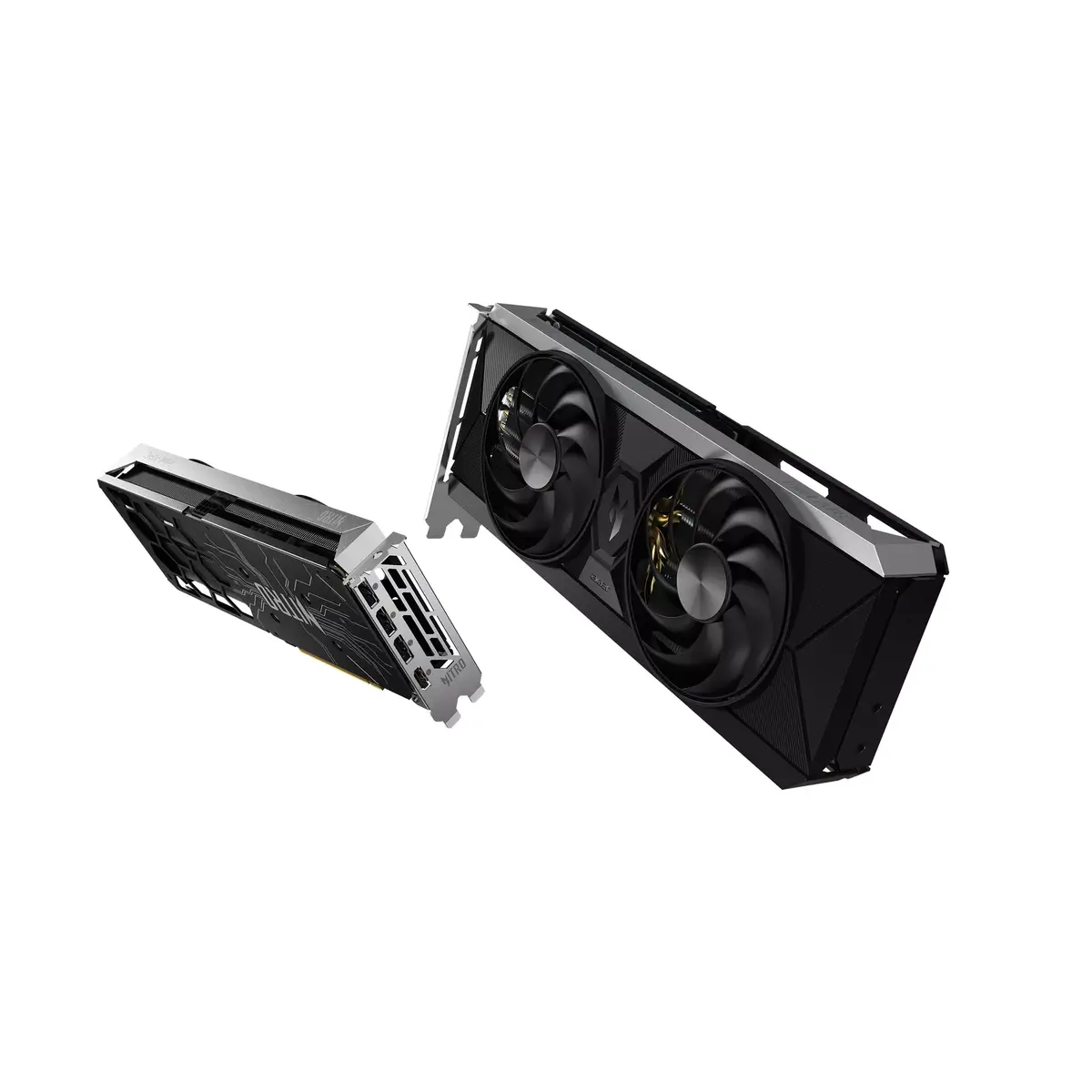
1
-
Package depth:
The distance from the front to the back of the packaging.
-
470 mm
-
Package height:
The distance from the top to the bottom of the packaging.
-
227 mm
-
Package width:
The distance from one side of the packaging to the other.
-
370 mm
-
Number of fans:
The quantity of fans (apparatus with rotating blades that creates a current of air for cooling or ventilation).
-
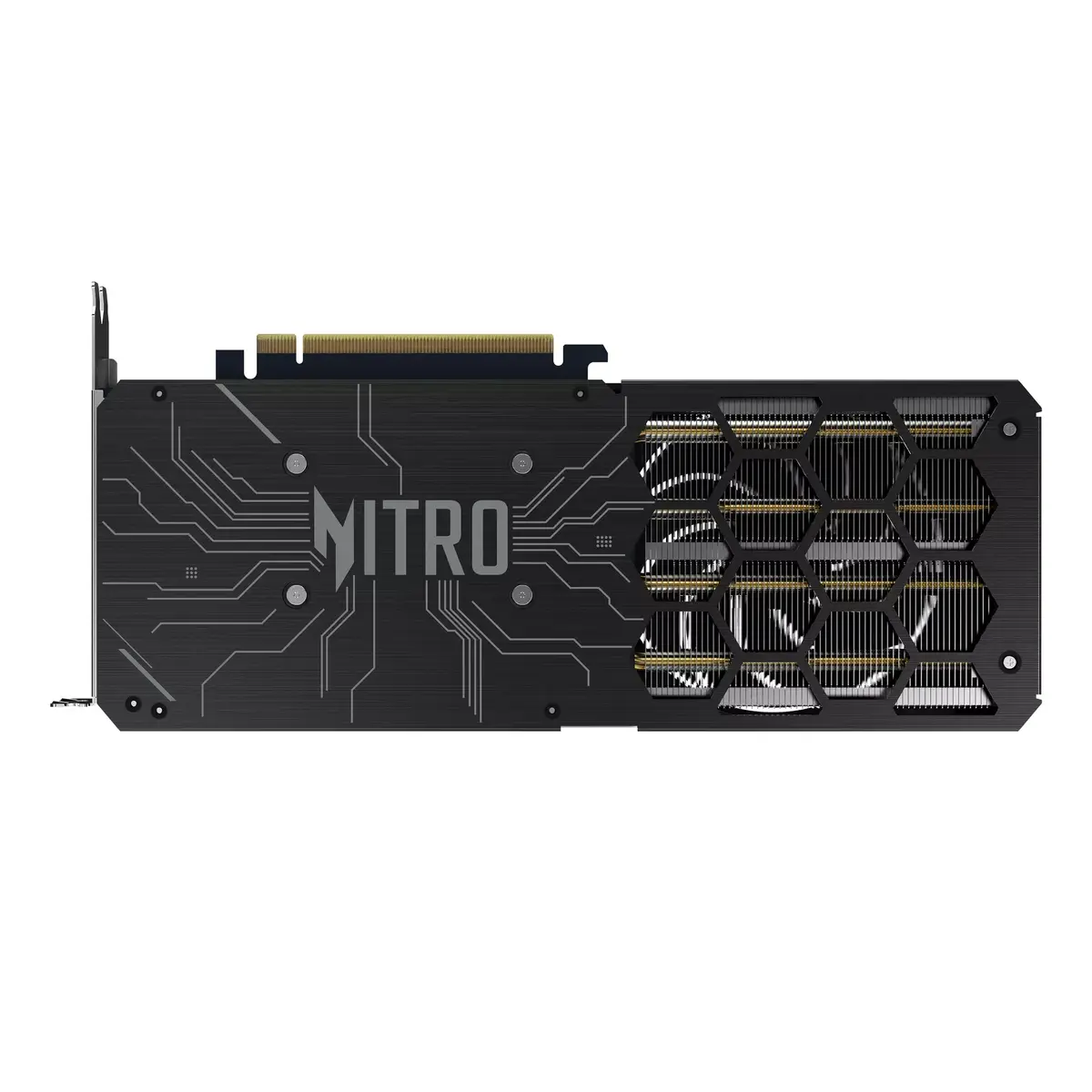
2 fan(s)
-
HDMI version:
-
2.1
-
HDCP:
High-bandwidth Digital Content Protection (HDCP) is a form of digital copy protection to prevent copying of digital audio and video content as it travels across connections.
-
Yes
-
Memory bandwidth (max):
-
456 GB/s
-
Cooling type:
The method used to cool the device or to cool the air around the device.
-
Active
-
DisplayPorts quantity:
Number of DisplayPorts. A DisplayPort is a digital display interface developed by the Video Electronics Standards Association (VESA). The interface is primarily used to connect a video source to a display device such as a computer monitor, though it can also be used to carry audio, USB, and other forms of data.
-
3
-
Windows operating systems supported:
Windows vesions wich can be used with the device.
-
Windows 10 x64, Windows 11 x64
-
Linux operating systems supported:
8 RT. Linux (9.4, 9.5), Red Hat Enterprise Linux 5.0 (supported with a pre-built package); SUSE Linux (10.3, 11.0, 11, 11.1, 11.2), Fedora (9, 9.0, 10, 10.0, 11.0, 11, 12, 12.0), Ubuntu (8.04, 8.04.1, 8.04.2, 8.10, 9.04, 9.10, 10.04), Debian (5.0, 5.0.1, 5.0.2, 5.0.3)
-
Yes
-
HDCP version:
-
2.3
-
DisplayPort version:
-
2.1
-
Discrete graphics card memory:
-
12 GB