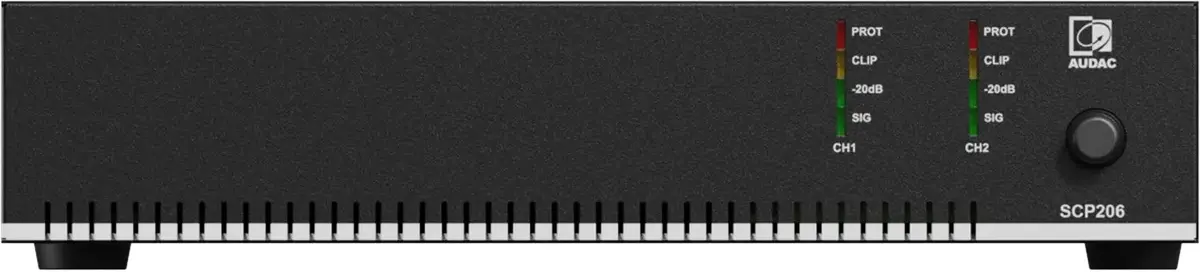
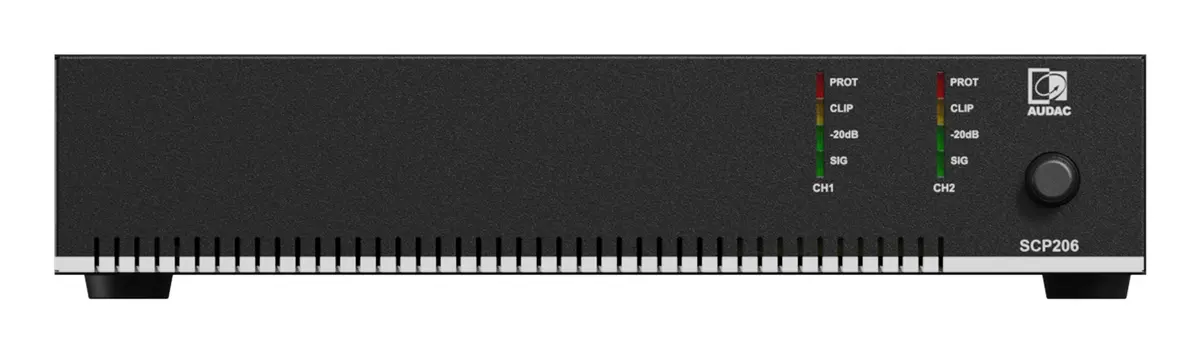
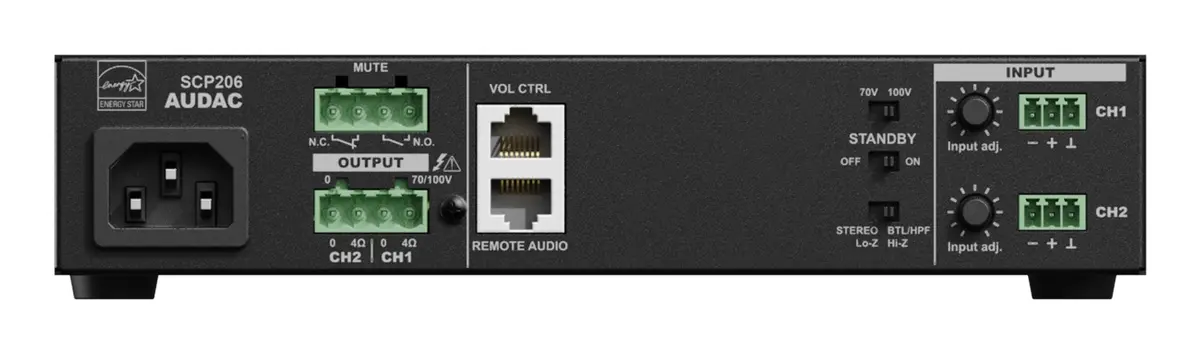
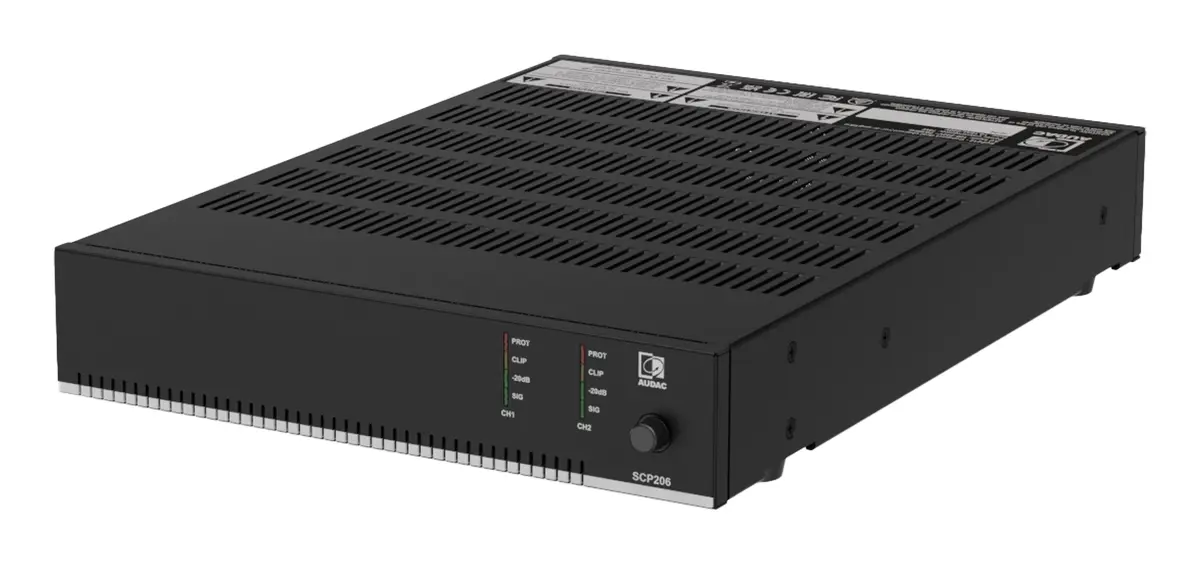
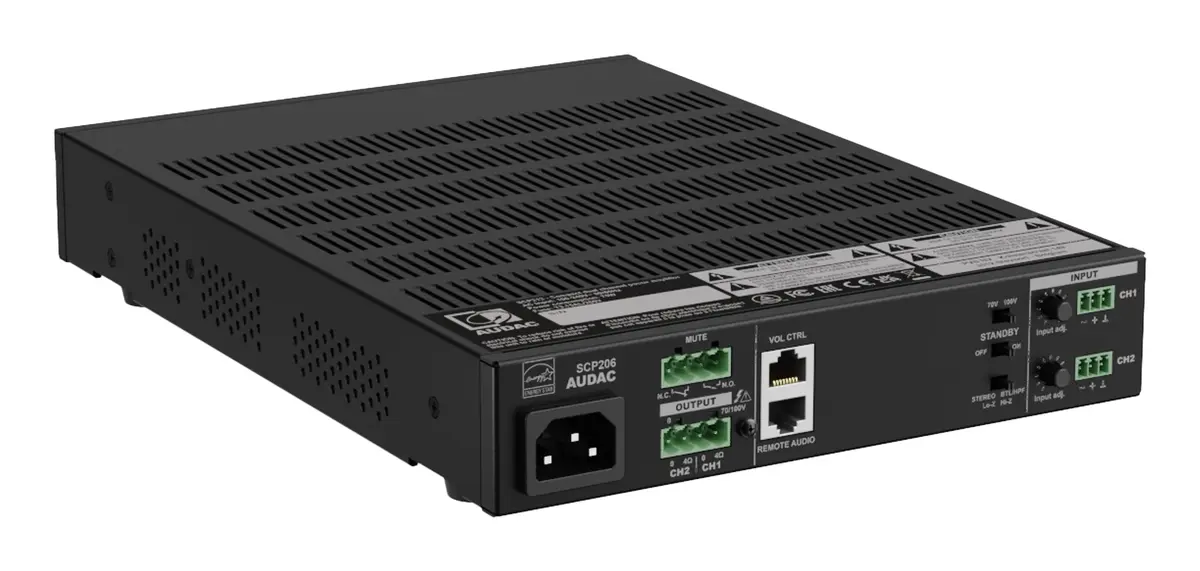
-
Weight:
Weight of the product without packaging (net weight). If possible, the net weight is given including standard accessories and supplies. Please note that sometimes the manufacturer leaves out the weight of accessories and/or supplies.
-
2.7 kg
-
Material:
The material from which a thing is or can be made e.g. wood, plastic.
-
Steel
-
Operating temperature (T-T):
The minimum and maximum temperatures at which the product can be safely operated.
-
0 - 40
-
Height:
The measurement of the product from head to foot or from base to top.
-
44 mm
-
LED indicators:
-
Y
-
Signal-to-Noise Ratio (SNR):
This is the ratio of signal intensity to noise intensity.
-
95 dB
-
Width:
The measurement or extent of something from side to side.
-
217.5 mm
-
Depth:
The distance from the front to the back of something.
-
300 mm
-
Connectivity technology:
The technology that enables connectivity of the device, e.g. wired or wireless.
-
Wired
-
Product colour:
The colour e.g. red, blue, green, black, white.
-
Black
-
Power consumption (standby):
The amount of electricity that is consumed when the product is on standby.
-
0.5 W
-
Bluetooth:
Bluetooth is a low-power radio technology developed to replace the cables and wires currently used to link or connect electronic devices such as personal computers, printers, and a wide variety of handheld devices including mobile phones. Because it uses radio-wave connectivity, a Bluetooth-enabled device has a constant, established connection to whatever browser it uses. This saves the user the trouble of logging on to check for emails or news updates, for example.
-
No
-
Audio output channels:
An audio output channel is an electric circuit which acts as a path for a signal produced by a device. A device may have several audio output channels.
-
2.0
-
Ethernet LAN (RJ-45) ports:
Number of Ethernet LAN (RJ-45) ports (connecting interfaces) in the device. Ethernet LAN (RJ-45) ports allow a computer to connect to the ethernet.
-
2
-
Total Harmonic Distortion (THD):
Total harmonic distortion is a measure of non-linear harmonic
distortion and is given in %. Non-linear harmonic distortions are
signals which were not present in the original before the signal was
converted by the headphones. These unwanted signals are caused by the
diaphragm, whose movements do not precisely move in time with the
electric signals that cause it to move. Unfortunately, this is a
feature of all electroacoustic transducers. Although it cannot be
completely eliminated, suitable steps can be taken to minimise it.
However, the user is not interested in why this distortion takes place
but in how great the level of distortion must be for it to become
perceptible. According to the findings of several research projects, a
total harmonic distortion of 1% in the frequency range of 100 to 2000
Hz is imperceptible. Below 100 Hz, the perceptibility threshold lies
at 10%.
-
0.05 %
-
Purpose:
What the product is used for.
-
Multi-purpose
-
Maximum input level:
-
100 V
-
Rack capacity:
The spase that device fill in rack.
-
1U
-
Wi-Fi:
Popular technology that allows an electronic device to exchange data or connect to the internet wirelessly using radio waves.
-
No
-
Remote control type:
-
Remote Volume controller, Remote Wall Mixer
-
Frequency range:
The lowest and the hightest frequencies that can be inputted/produced.
-
20 - 20000
-
Cooling type:
The method used to cool the device or to cool the air around the device.
-
Passive
-
Output impedance:
-
4
-
Power source type:
What the power source is.
-
AC
-
AC input frequency:
-
50/60
-
AC input voltage:
The voltage of the AC electricity that is inputted into the product.
-
100-240
-
Speakers connectivity type:
The type of connection used for the speakers e.g. RCA connector.
-
Euroblock
-
RMS power output per channel (4 Ohm):
-
60 W
-
RMS power output per channel (8 Ohm):
-
30 W
-
Peak power per channel:
The maximum power (usually measued in watts) that can be transmitted through a channel.
-
60 W
-
Amplifier class:
An electronic amplifier, amplifier, or (informally) amp is an electronic device that increases the power of a signal. It does this by taking energy from a power supply and controlling the output to match the input signal shape but with a larger amplitude. Power amplifier circuits (output stages) are classified as A, B, A/B and C for analog designs, and class D and E for switching designs based on the proportion of each input cycle (conduction angle), during which an amplifying device is passing current.
-
D
-
Gain adjustment:
-
Rotary
-
Built-in display:
A display which is part of the product, so you do not need to attach another display.
-
No
-
Power consumption (max):
The maximum amount of power used by the device.
-
75 W
-
Bridge function:
-
Yes
-
Number of Euroblock output connectors:
-
2
-
Number of Euroblock input connectors:
-
2
-
Warranty period:
-
5 year(s)
-
Compliance certificates:
Indicates which regulatory, safety, and environmental standards the product complies with, as verified by recognized authorities or certification bodies.
-
UKCA, CE, EAC, Federal Communications Commission (FCC)