
Leave your address - as soon as the price of the product goes down, you'll know about it right away
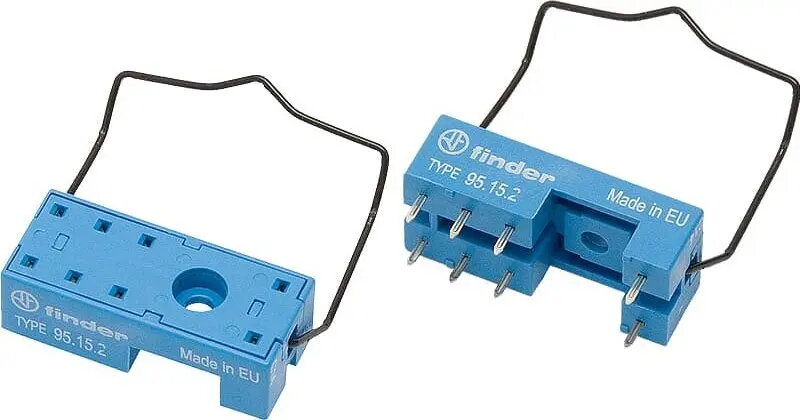
Relay Socket BLOW 9240# for Finder 95.15.2 — DIN-rail-mounted relay base
In cart {{totalProductsCount}} item(s)
Your cart is empty
Relay Socket BLOW 9240# for Finder 95.15.2 — DIN-rail-mounted relay base
Leave your address - as soon as the price of the product goes down, you'll know about it right away
Relay Socket BLOW 9240# for Finder 95.15.2 — DIN-rail-mounted relay base
BLOW 9240# is a DIN-rail-mounted relay socket engineered to accept Finder 95.15.2 plug-in relays. The socket offers a standardized pin layout and secure terminal connections to ensure dependable electrical interfacing in industrial control panels and automation systems. Its form factor supports quick insertion and removal of relays for maintenance or replacement while maintaining proper mechanical retention on standard DIN rails.
The relay socket provides consistent contact alignment and reliable screw or spring terminal clamping for repeatable wiring performance. Compact DIN-rail compatibility saves panel space and allows modular installation. The design reduces downtime by enabling tool-free replacement of plug-in relays and lowers the risk of wiring errors through clear pin positions and stable contact points.
Mount the relay socket onto a standard DIN rail by aligning the base and pressing until the retention clip engages. Connect supply and signal conductors to the designated terminals according to the wiring diagram of your control system and the relay pinout. Insert the Finder 95.15.2 plug-in relay into the socket, ensuring full seating of the relay pins into their contacts. For replacement, remove power, pull the relay straight out, and insert the new relay, then restore power and verify correct operation.
Verify compatibility between the relay socket pin layout and the relay model before installation. Use appropriate wire ferrules or correctly stripped conductors and tighten terminals to the manufacturer’s recommended torque. De-energize circuits before servicing; follow local electrical codes and panel layout best practices to ensure safe and reliable operation.
{{highlightedFeature.featureTitle}}:
{{getProductFeatureValueById(product, highlightedFeature.featureId)}}