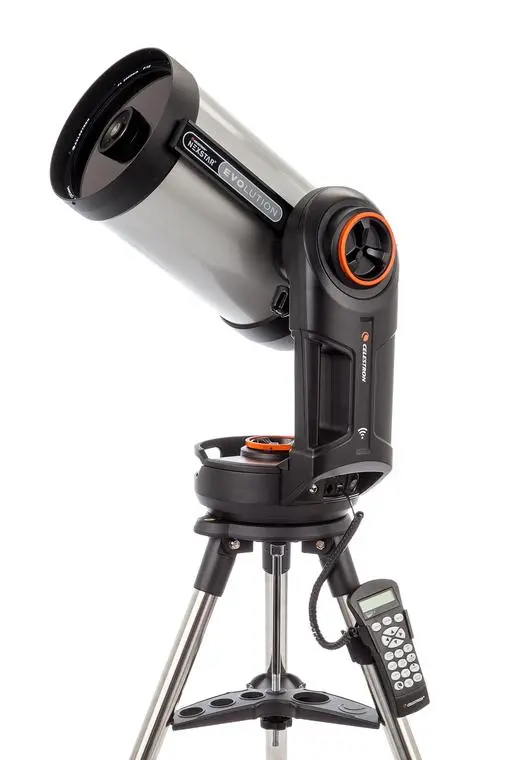
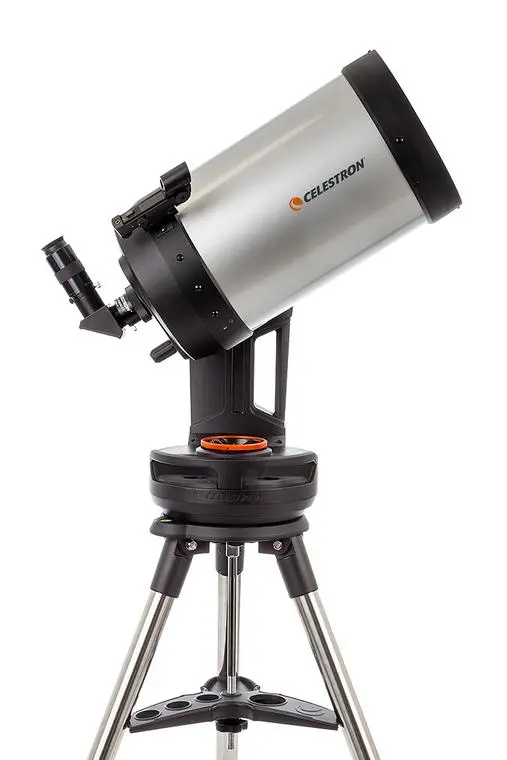
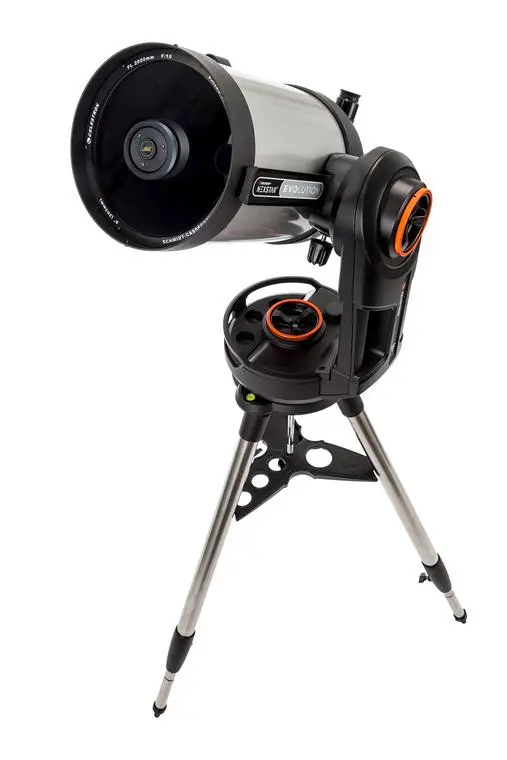
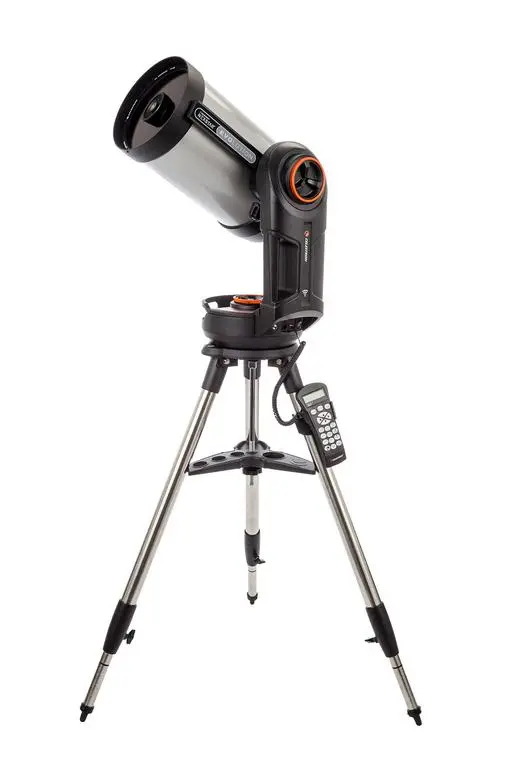
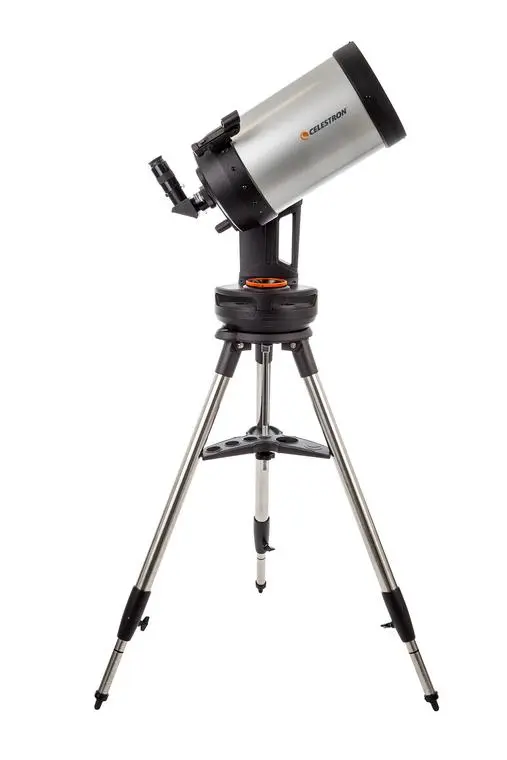
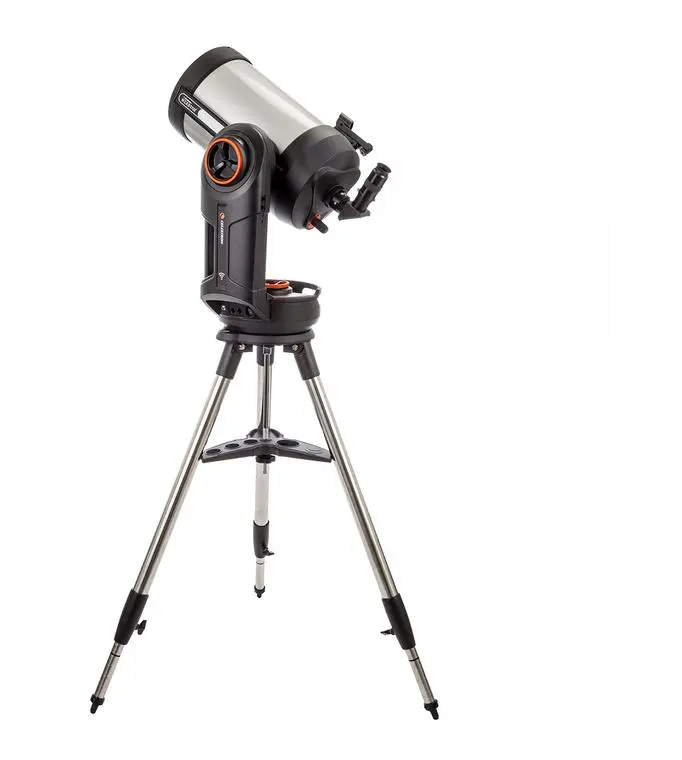
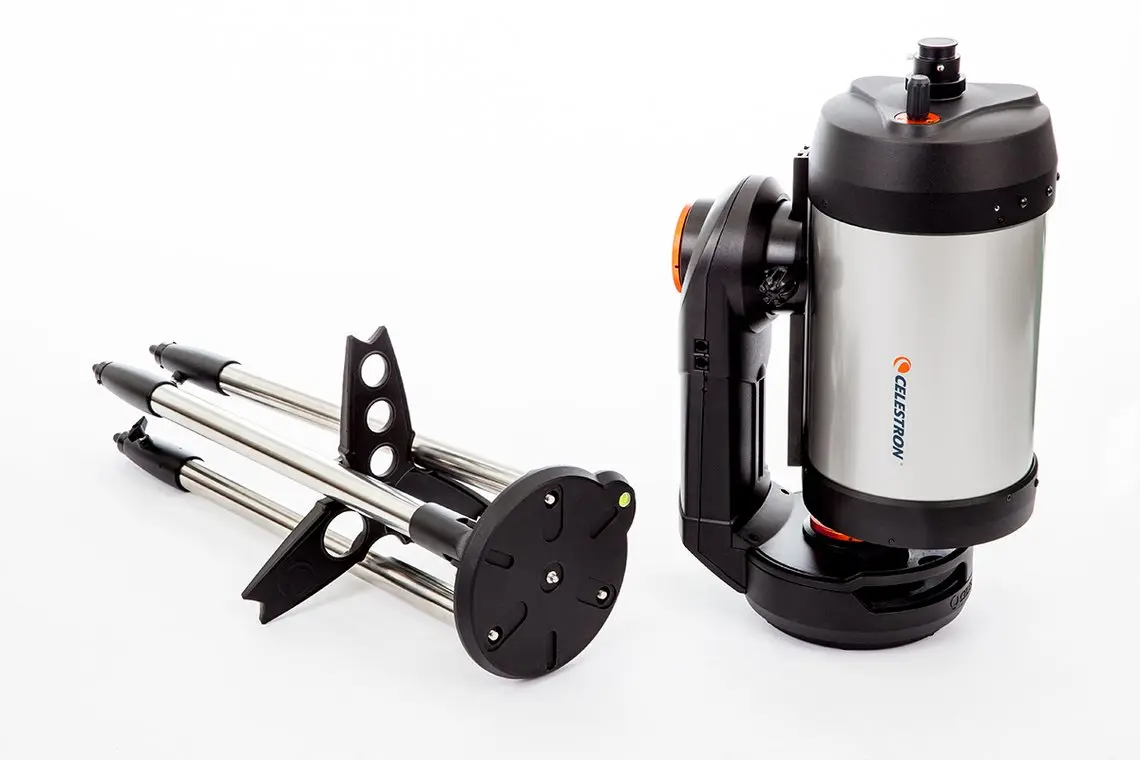
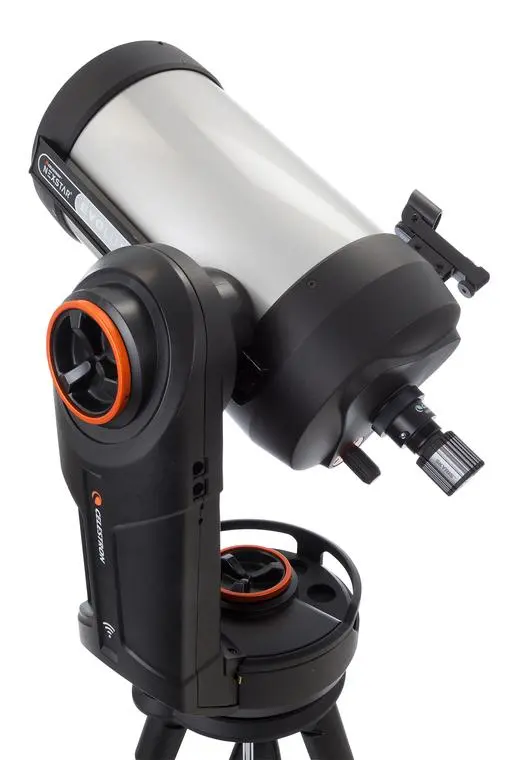
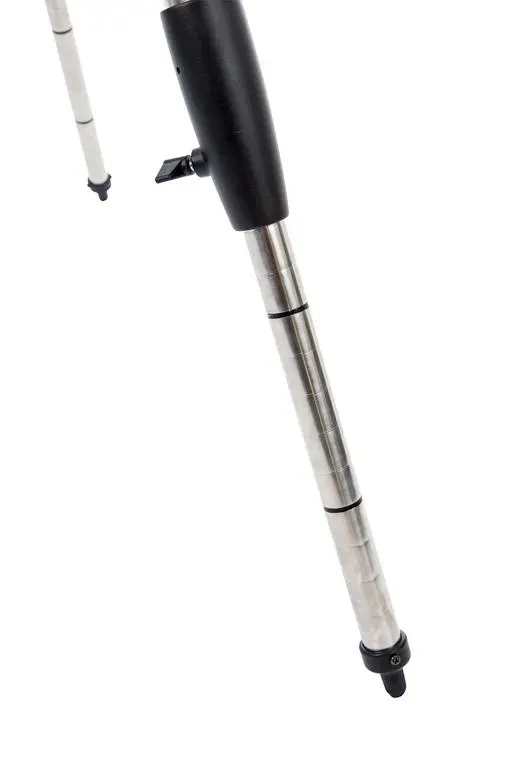
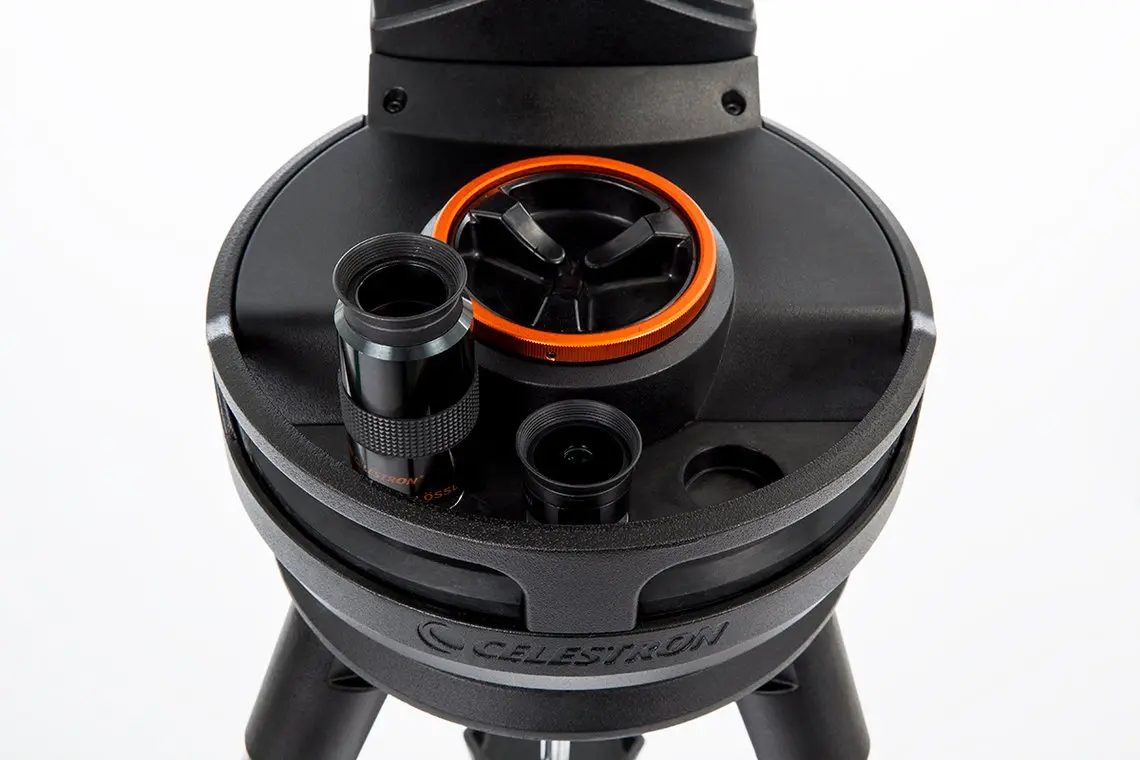
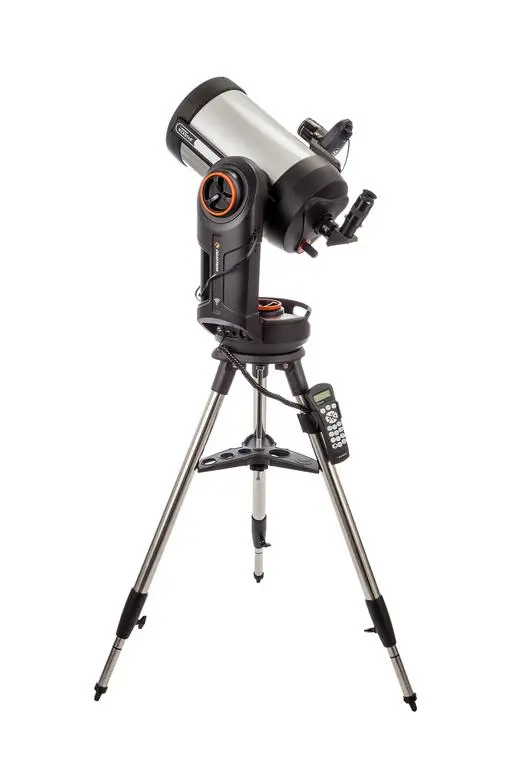
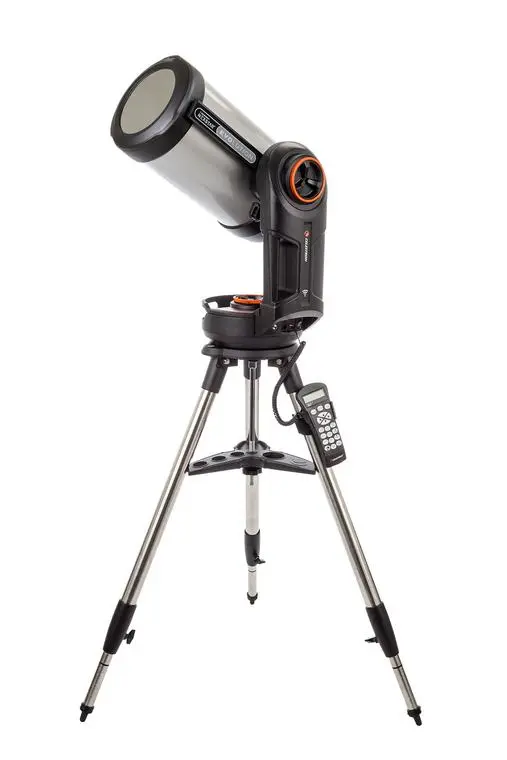
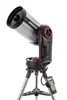
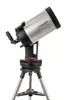
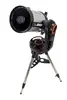
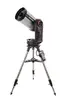
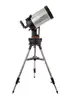
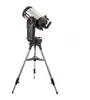
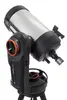
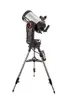
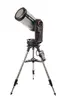
The Celestron NexStar Evolution 8 telescope is compared with several alternative catadioptric telescope models from the Celestron brand, including the NexStar Evolution 6, NexStar 5SE, NexStar Evolution 5, NexStar 4SE, and NexStar 102SLT. All these devices are designed for astronomical observation and stargazing, yet they differ significantly in maximum magnification, dimensions, weight, and technical equipment. The main practical differences lie in optical power and mobility: the flagship model offers the highest magnification and resolution, while more compact versions focus on portability and suitability for beginners and experienced astronomers alike.
⚙️ Below is a comparison of key characteristics such as optical system type, maximum magnification, construction features, and the practical purpose of each model.
| Parameter | Celestron NexStar Evolution 8 | NexStar Evolution 6 | NexStar 5SE | NexStar Evolution 5 | NexStar 4SE | NexStar 102SLT | Practical significance |
|---|
| Telescope type | Catadioptric | Catadioptric | Catadioptric | Schmidt-Cassegrain (catadioptric) | Catadioptric | Telescope | All models support astronomical observation, but catadioptric systems offer higher detail retention within a compact tube length. |
| Maximum magnification | 480x | 354x | 295x | Not specified | 241x | 26x | Higher magnification in advanced models allows for more detailed observation of distant celestial objects and planets. |
| Construction materials | Aluminum tube, steel tripod | Aluminum tube, steel tripod | Aluminum tube | Not specified | Aluminum tube, steel tripod | Steel tripod | Metal optical tubes and sturdy steel tripods ensure structural durability and stability during observation sessions. |
| Intended use | Advanced astronomical observation and research | Observation for hobbyists and beginners | Observation for hobbyists and beginners | Visual observation and basic astrophotography | Observation for astronomy enthusiasts | Amateur stargazing | Models cater to different user proficiency levels, ranging from basic entry-level observation to advanced astronomical tasks. |
◎ The table below evaluates which model is most suitable for various user needs and usage scenarios.
| Use case | Recommended product | Why |
|---|
| Maximum detail and advanced observation | Celestron NexStar Evolution 8 | Provides the highest magnification (480x) among the options for deep celestial exploration. |
| Balance of power and portability | NexStar Evolution 6 or NexStar 5SE | Offers more compact dimensions while maintaining high optical performance. |
| Wireless control and basic astrophotography | NexStar Evolution 5 | Features built-in Wi-Fi connectivity for convenient wireless control and entry-level imaging. |
| Maximum lightness and mobility | NexStar 102SLT | Features the lightest weight (6.35 kg), making frequent transport and quick setup much easier. |
The Celestron NexStar Evolution 8 stands out among alternatives with its maximum magnification of 480x and is designed for advanced astronomical observation. This model is best suited for experienced astronomy enthusiasts who require top-tier detail resolution and tracking precision. Lighter and more compact alternatives are more suitable for users who prioritize portability, quick setup, and ease of travel over maximum optical power.