
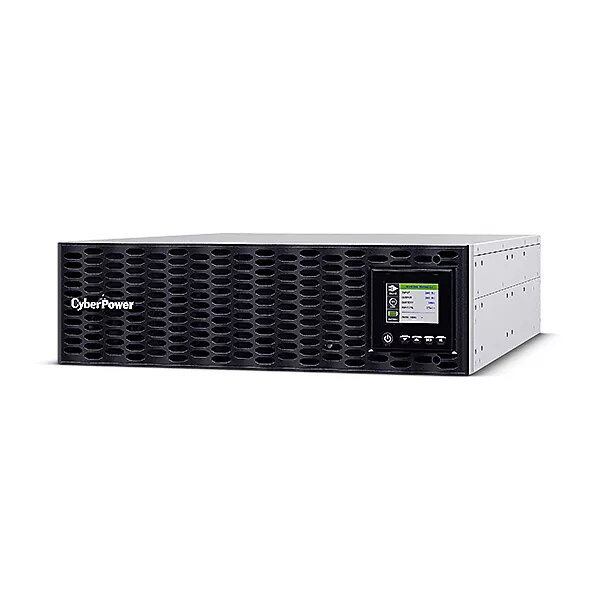
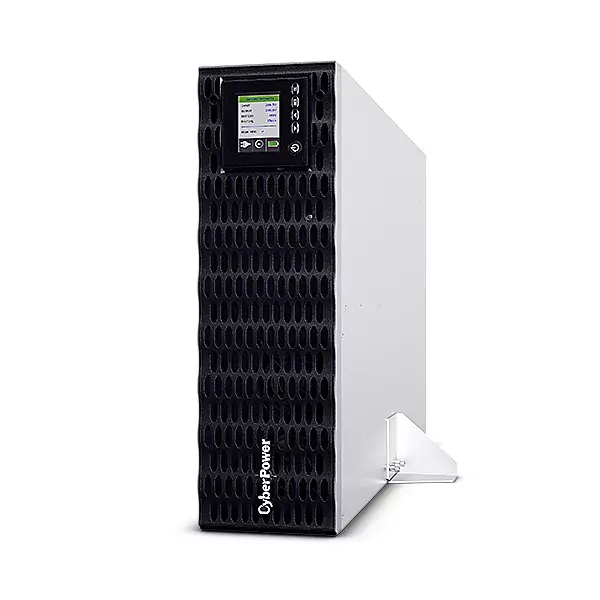
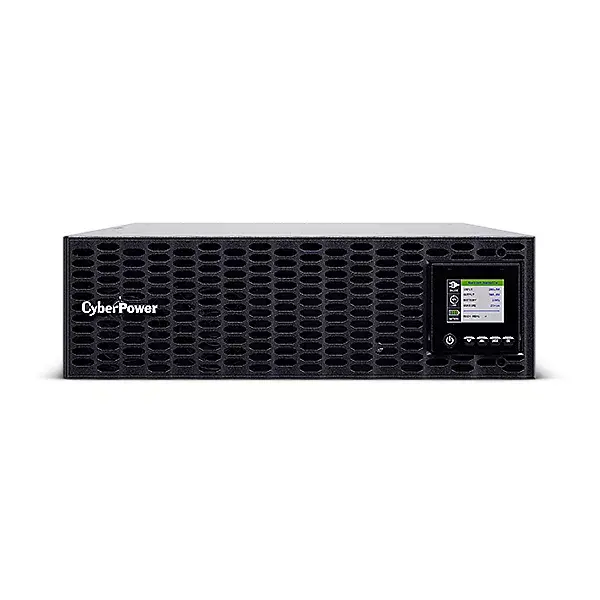
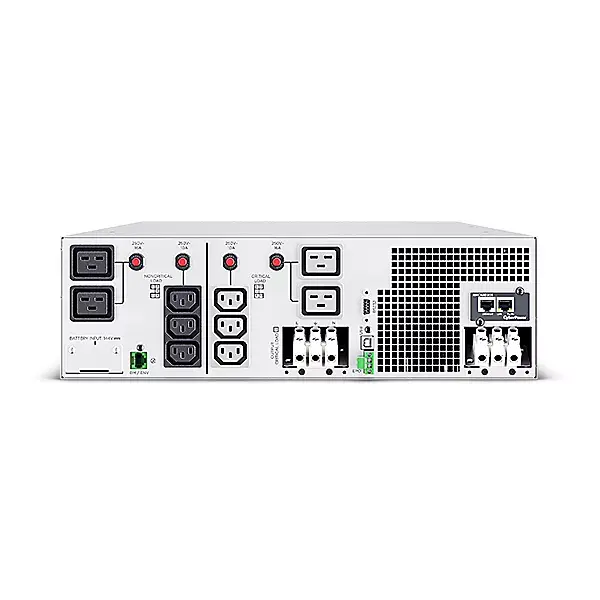
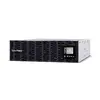
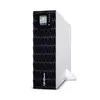
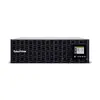
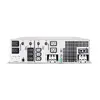
Uninterruptible Power Supply UPS CyberPower OL6KERTHDL 6 kVA 6000 W 10 AC outlets
4,543.49 €
Keep track of price changes
You keep track of price changes
Watch the price drop
Leave your address - as soon as the price of the product goes down, you'll know about it right away
You keep track of price changes
Uninterruptible Power Supply UPS CyberPower OL6KERTHDL 6 kVA 6000 W 10 AC outlets
{{email}}
You keep track of price changes
Uninterruptible Power Supply UPS CyberPower OL6KERTHDL 6 kVA 6000 W 10 AC outlets
{{email}}
{{selectedOffer && selectedOffer.price | formatAmount}}
Offer for legal entity, cashless payment.
Why is an item available only for a legal entity?
This is due to long delivery times and limited product warranties.
This is due to long delivery times and limited product warranties.
Short description
The CyberPower OL6KERTHDL is a double-conversion online UPS with a capacity of 6 kVA and 6000 W. It features 10 AC outlets and uses sealed lead acid batteries. Ideal for critical systems requiring reliable power backup.

Deliver the order:
to the Customer Service Center at Kengaraga 2b, Riga
26.08.2026
{{selectedOffer.officeDeliveryString}}
free
Customer service center
2b. Kengaraga str., Riga, Latvia, LV-1063
26.08.2026
{{selectedOffer.officeDeliveryString}}
free
Courier Delivery
Please note that in case of a large parcel additional delivery costs may apply!
From 53.99 € (Weight: 65.00 kg)

Payment Methods:
Cash payment, Bank transfer, Bank cards on-line, Apple Pay, Google Pay, Leasing for legal entities
Leasing for legal entities:
from 158.11 euros per month
Available for private customers at price 4,805.99 €:
2 pcs.


