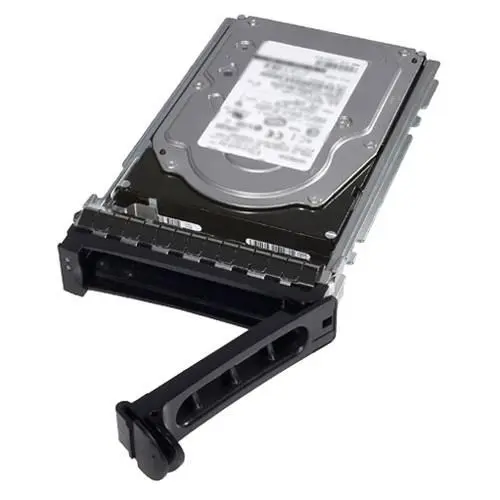
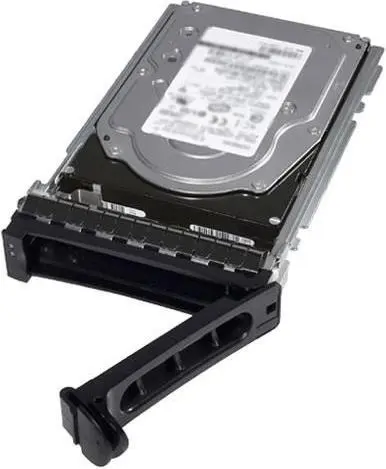
In this overview, the main Dell C36WJ 2TB hard disk drive is compared with several alternative storage solutions from the same manufacturer. All products share an enterprise-grade orientation designed for reliable server environments and data storage systems. The main differences lie in their storage capacities, spindle speeds, interface types, and target workloads, allowing buyers to choose the right balance of capacity and speed.
⚙️ The table below compares key technical characteristics such as capacity, spindle speed, interface type, and data transfer rates to clearly illustrate practical differences in performance and application.
| Specification | Dell C36WJ 2TB | Dell 2TB 0C36WJ | Dell 1.2TB 0F5HFM | Dell 1.2TB WT1RW | Dell 2TB SATA 0835R9-RFB | Dell 1.2TB 0YMVPP | Practical significance |
|---|
| Capacity | 2TB | 2TB | 1.2TB | 1.2TB | 2TB | 1.2TB | 2TB models offer higher capacity for large archives and backups, whereas 1.2TB models are tailored for high-density performance arrays. |
| Spindle speed | 7.2K RPM | 7.2K RPM | 10K RPM | 10K RPM | 7.2K RPM | 10K RPM | 10K RPM drives provide faster data access times compared to 7.2K RPM models, which prioritize storage volume. |
| Interface | NLSAS 12Gbps | NLSAS 12Gbps | SAS 12Gbps | SAS 12Gbps | SATA 6Gbps | SAS 12Gbps | NLSAS and SAS 12Gbps interfaces ensure robust performance and reliability in enterprise server deployments. |
◎ The table below evaluates the suitability of each product for different user needs, infrastructure setups, and practical workloads.
| Use case | Recommended product | Why |
|---|
| High-capacity backup and data storage | Dell C36WJ 2TB | Combines generous storage space with an enterprise NLSAS interface for reliable long-term data retention. |
| Intensive database workloads and virtualization | Dell 1.2TB 0F5HFM | Features a faster 10K RPM spindle speed to deliver quicker data access for demanding business applications. |
Dell C36WJ 2TB is a high-capacity enterprise hard drive that differs from faster 10K RPM alternatives by offering significantly more storage space. It is most suitable for server expansion, backup solutions, and secondary storage arrays where capacity and reliability are more critical than maximum I/O performance. A buyer should prefer this model when building or expanding storage pools that require dependable enterprise connectivity and large volume handling.