
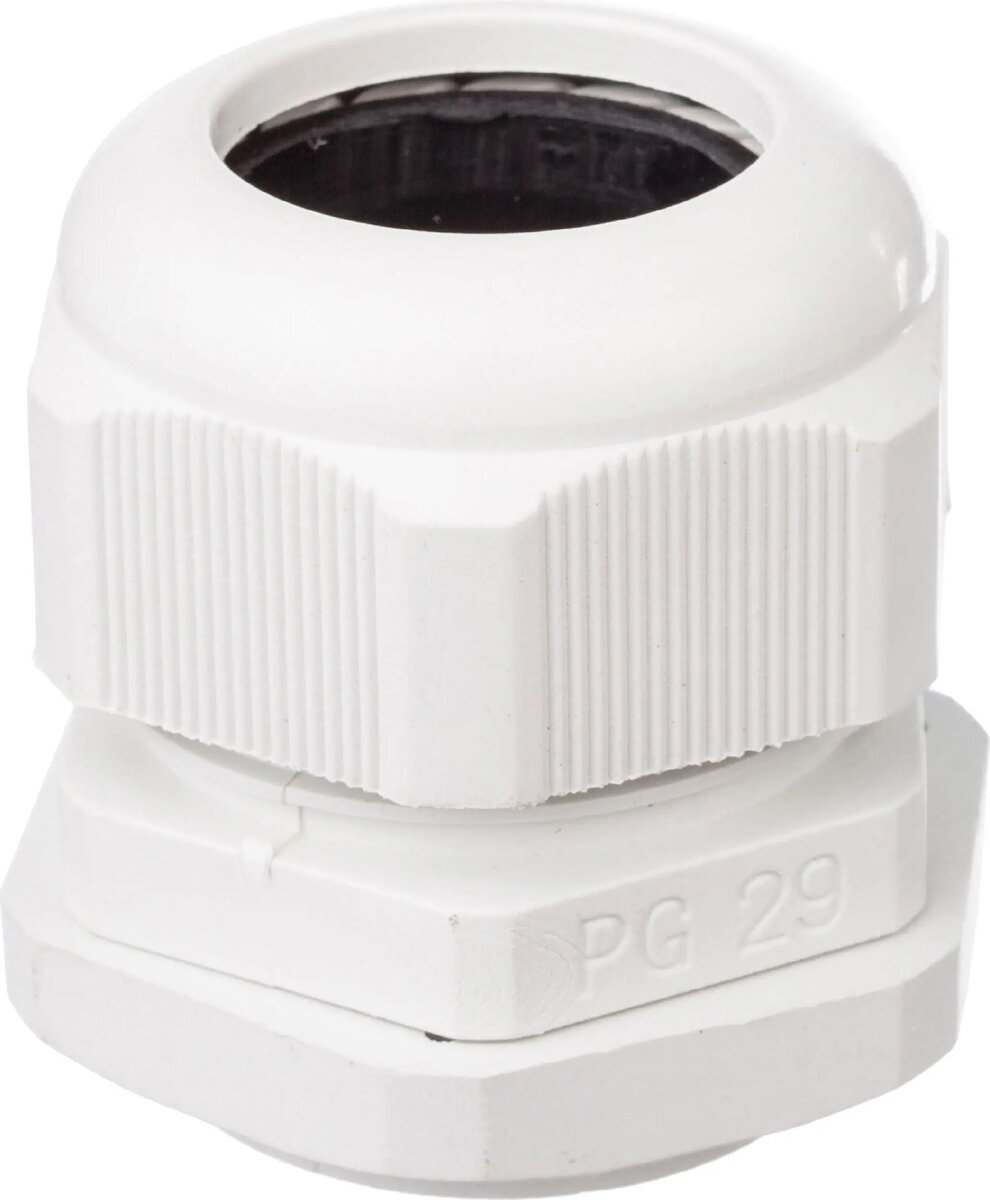
EM Group PG 21 Polyamide Cable Gland IP68
3.99 €
{{selectedOffer && selectedOffer.price | formatAmount}}
Short description
The EM Group PG 21 cable gland is a high-quality polyamide fitting designed for secure cable entry into enclosures. Featuring an IP68 ingress protection rating, it provides excellent dust and water resistance, ensuring reliable performance in demanding industrial and electrical installations. This durable component ensures strain relief and environmental sealing for various cable management applications.
Cheapest delivery:
Unisend LV
Pick-up points
Unisend LV
Cost
1.79 €
Deliver
{{selectedOffer.parcelStationDeliveryString}}
Customer service center
2b. Kengaraga str., Riga, Latvia, LV-1063
10.08.2026
{{selectedOffer.officeDeliveryString}}
free
Courier Delivery
Please note that in case of a large parcel additional delivery costs may apply!
From 4.99 €
Parcel couriers
Unisend LV / Venipak Pickup LV / Venipak Locker LV / Latvijas Pasts pakomāts / DPD Paku skapis / Omniva LV / Latvijas Pasts nodaļa
13.08.2026
{{selectedOffer.parcelStationDeliveryString}}
From 1.79 €

Payment Methods:
Bank transfer, Bank cards on-line, Apple Pay, Google Pay


