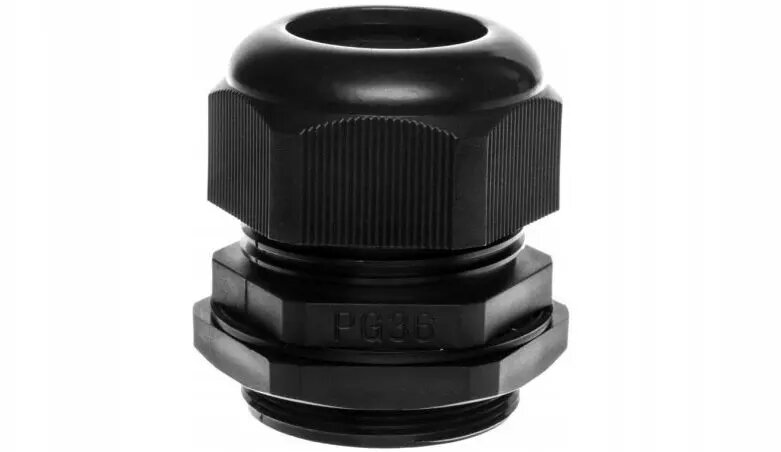
The Ergom PG36 polyamide cable gland is a high-quality component engineered for the secure installation of cables into electrical enclosures, junction boxes, and control panels. Constructed from durable polyamide, this cable gland provides robust mechanical protection while ensuring that cables remain firmly in place, preventing accidental disconnection or damage due to tension. Its design focuses on maintaining the integrity of electrical systems by offering a reliable seal that prevents the ingress of external contaminants.
Advantages
The primary benefit of this cable gland is its superior IP68 ingress protection rating, which guarantees a completely dust-tight seal and protection against prolonged immersion in water. This makes it an ideal choice for demanding environments where moisture, dust, or debris could compromise electrical components. The polyamide material offers excellent resistance to impact, corrosion, and various chemical agents, ensuring a long service life even in harsh industrial conditions. Furthermore, the installation process is straightforward, allowing for quick and efficient cable management without the need for specialized tools.
Suitable for
- Industrial electrical enclosures and control cabinets
- Outdoor junction boxes requiring weatherproofing
- Machinery and automation equipment installations
- Cable entry points in distribution boards
This cable gland may not be suitable for applications involving extreme high-temperature environments that exceed the thermal limits of polyamide. Additionally, it is not intended for use in high-pressure steam cleaning environments or areas exposed to concentrated aggressive solvents that could degrade the plastic material over time.
Key specifications
- Thread size: PG36
- Material: Polyamide
- Ingress protection rating: IP68
- Color: Black
- Function: Cable strain relief and sealing
To use the Ergom PG36 cable gland, insert the cable through the gland body which is already mounted to the enclosure wall. Tighten the dome nut by hand or with a suitable wrench until the internal seal compresses firmly around the cable jacket. This action simultaneously secures the cable against pulling forces and creates the waterproof seal required for the IP68 rating.
What to consider before purchase
- Verify that the cable diameter matches the clamping range of the PG36 size
- Ensure the enclosure wall thickness is compatible with the thread length
- Check if the environment requires specific chemical resistance beyond standard polyamide properties
For optimal performance, ensure that the sealing nut is tightened sufficiently to create a uniform seal around the cable, but avoid overtightening, which could damage the threads or the cable jacket. Periodically inspect the gland for signs of wear or loosening in high-vibration environments.