
Leave your address - as soon as the price of the product goes down, you'll know about it right away
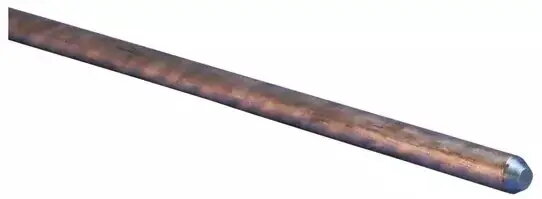
Erico 611300 Copper-Bonded Pointed Grounding Rod, 12.7 mm x 3.0 m
In cart {{totalProductsCount}} item(s)
Your cart is empty
Erico 611300 Copper-Bonded Pointed Grounding Rod, 12.7 mm x 3.0 m
Leave your address - as soon as the price of the product goes down, you'll know about it right away
Erico 611300 Copper-Bonded Pointed Grounding Rod, 12.7 mm x 3.0 m
The Erico 611300 copper-bonded pointed grounding rod is a professional-grade component engineered for robust electrical earthing systems. Measuring 12.7 mm in diameter and 3.0 m in length, this rod features a high-strength steel core molecularly bonded with a thick layer of copper. This construction ensures superior conductivity and long-term protection against soil-induced corrosion, making it a reliable choice for grounding infrastructure in diverse environments.
The primary benefit of this grounding rod is its advanced copper-bonding process, which prevents the copper layer from cracking or peeling during installation. The pointed tip design facilitates easier penetration into various soil types, reducing the physical effort required during manual or mechanical driving. Furthermore, the combination of a steel core and copper exterior provides the necessary mechanical strength to withstand driving forces while maintaining excellent electrical performance over the lifespan of the installation.
This grounding rod may not be suitable for highly acidic or extremely rocky soil conditions where specialized stainless steel or oversized rods might be required to prevent rapid degradation or installation failure. It is also not intended for use in environments where the rod will be exposed to specific chemical contaminants that could compromise the copper bond.
To install the grounding rod, identify a suitable location that meets local electrical codes and safety standards. Use a manual driving tool or a mechanical hammer to drive the rod vertically into the ground. Ensure the rod is driven deep enough to reach stable soil moisture levels for optimal resistance. Once installed, connect the grounding conductor securely to the top of the rod using an appropriate clamp or exothermic welding connection.
Regularly inspect the connection point between the grounding conductor and the rod to ensure it remains tight and free from oxidation. Periodically test the ground resistance to confirm the system continues to meet safety requirements.
{{highlightedFeature.featureTitle}}:
{{getProductFeatureValueById(product, highlightedFeature.featureId)}}