The Fifine Mozos TAM8 Microphone ver 2 is a condenser microphone designed for vocal and instrument recording, streaming, podcasting and online communication. It offers the typical condenser pickup characteristics for studio-style capture, delivering clear and detailed sound suitable for content creators, home studios, and remote work setups. The microphone is intended to provide a balanced frequency response and sensitivity that make it practical for spoken voice, singing and acoustic instruments.
Advantages
The microphone provides condenser-style clarity and sensitivity that capture detail in vocals and instruments while maintaining a stable output for common audio interfaces and mixers. Its design focuses on delivering intelligible speech and natural tonal balance, which helps reduce the need for aggressive equalization in post-production. The product’s build and connector compatibility make it straightforward to integrate into streaming or recording rigs.
Suitable for
- Streaming and live online communication
- Podcasting and voice-over recording
- Home studio vocal and instrument tracking
- Remote work meetings and conference calls
When it may not be suitable
This condenser microphone may not be the best choice in very noisy or untreated acoustic environments, where its sensitivity could capture unwanted room reflections and background noise. It may also be less appropriate for high-SPL sources such as loud guitar amps or drums without additional attenuation or a microphone specifically designed for high sound pressure levels.
Key specifications
- Type: Condenser microphone suitable for vocals and instruments
- Intended applications: Streaming, podcasting, studio recording, online communication
- Polar pattern: Cardioid-style pickup optimized for frontal sound source capture
- Connectivity: Standard microphone connector compatible with common audio interfaces and mixers
- Typical use environment: Home studio, desktop streaming setup, conference room
How to use
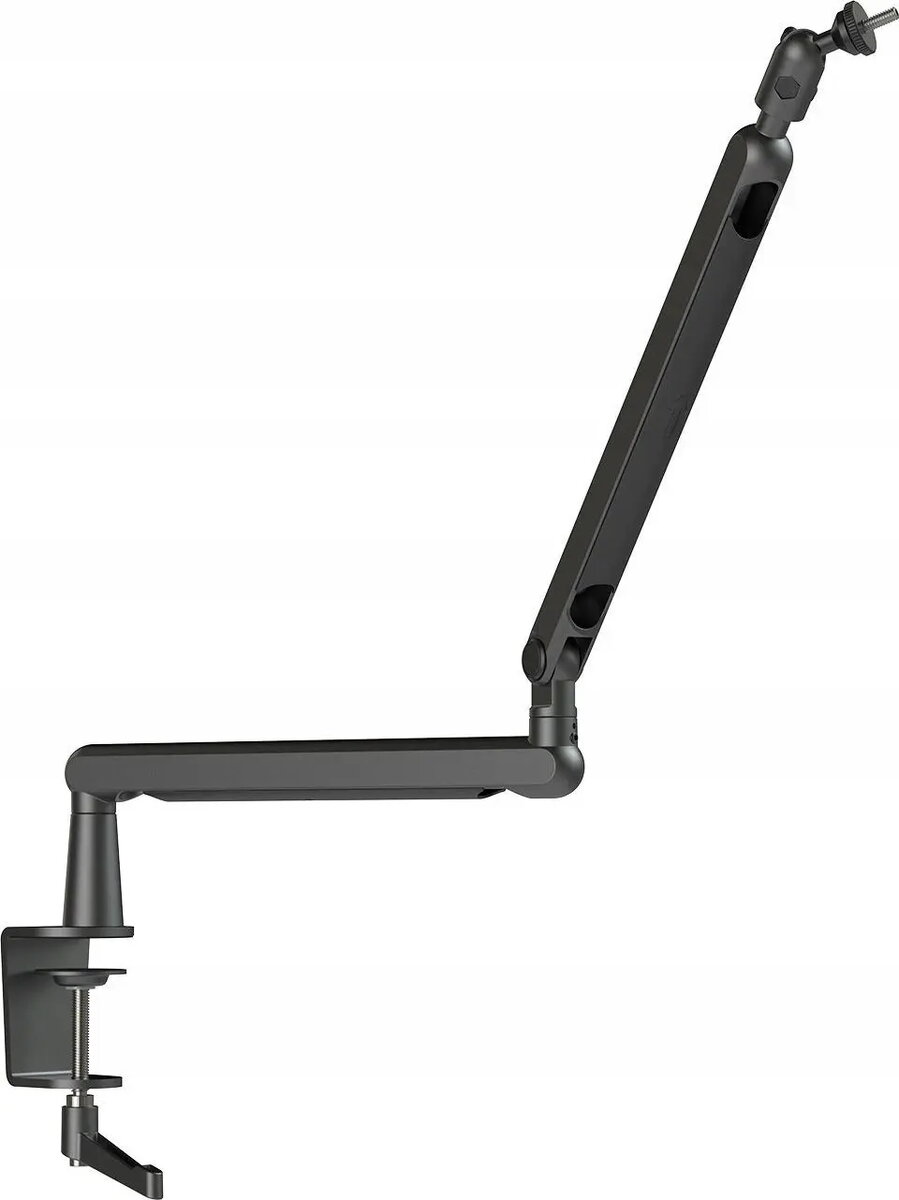
Place the Fifine Mozos TAM8 Microphone ver 2 on a stable stand or boom arm, positioned approximately 10–30 cm from the sound source for spoken voice or close-miked vocals. Use a pop filter or windscreen to reduce plosives on vocal recordings. Connect the microphone to an audio interface or mixer using the appropriate cable and set input gain so that peaks do not clip while maintaining good signal level. Monitor through headphones and perform test recordings to adjust distance and angle for the desired tonal balance.
What to consider before purchase
- Acoustic treatment: consider the recording environment and potential need for reflection control
- Interface compatibility: ensure your audio interface or mixer provides the required input and preamp characteristics
- Use case: match microphone sensitivity and polar pattern to your primary sources (voice, acoustic instruments, etc.)
- Accessories: consider a stand, pop filter, shock mount or boom arm if not included
Usage recommendations
For speech and podcasting, position the microphone slightly off-axis and use a pop filter to reduce plosives. For vocals and acoustic instruments, experiment with distance and angle to find a balance between direct sound and room ambience; lower preamp gain and add gentle compression in the signal chain if needed to control dynamics.