
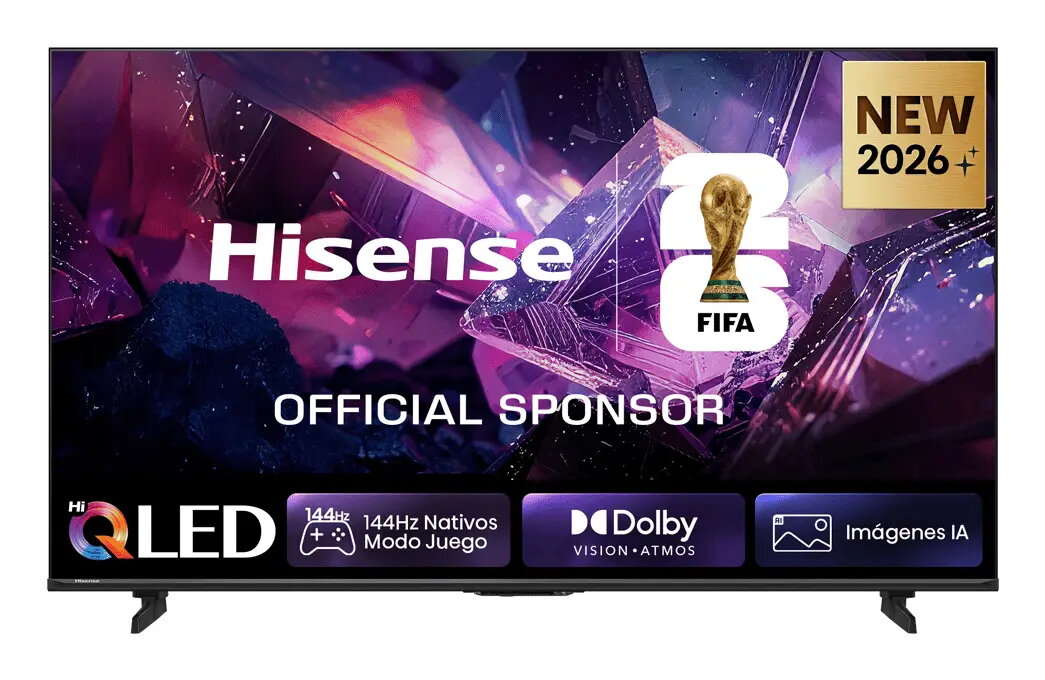
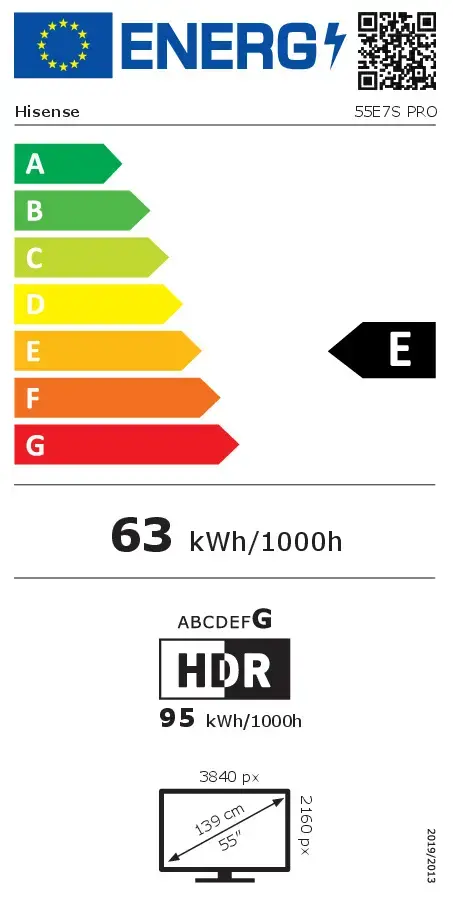
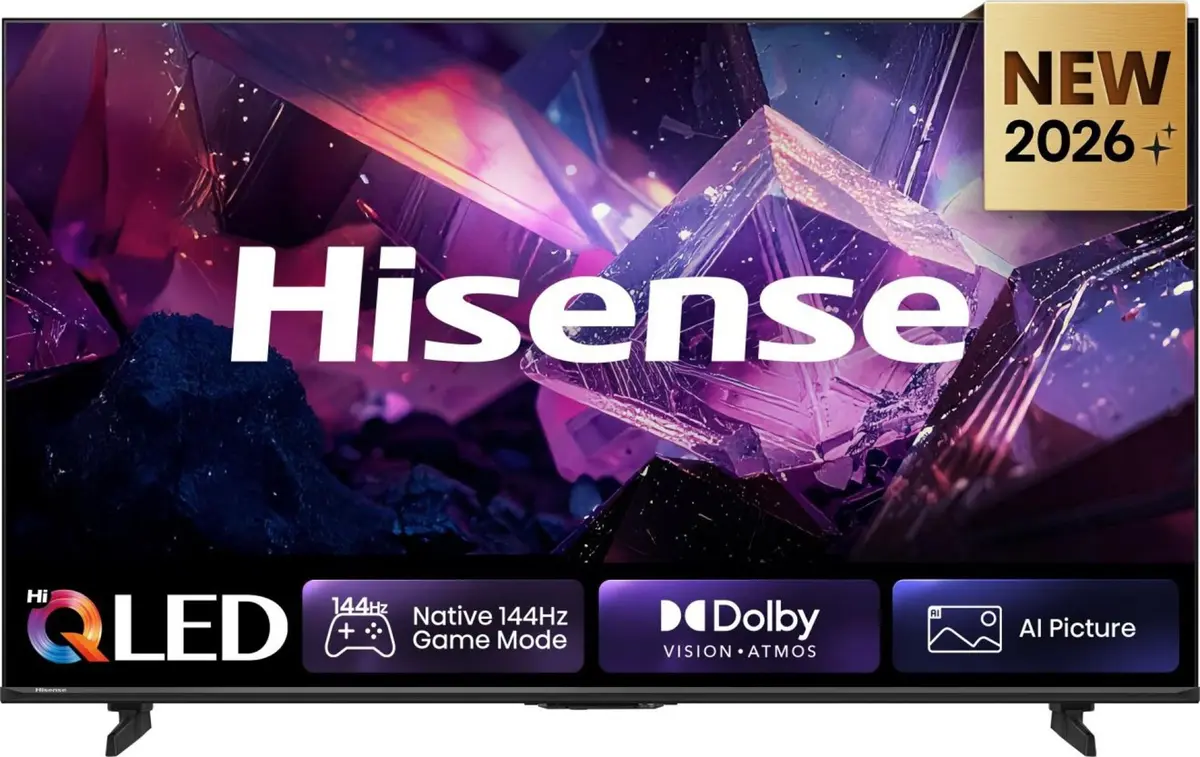
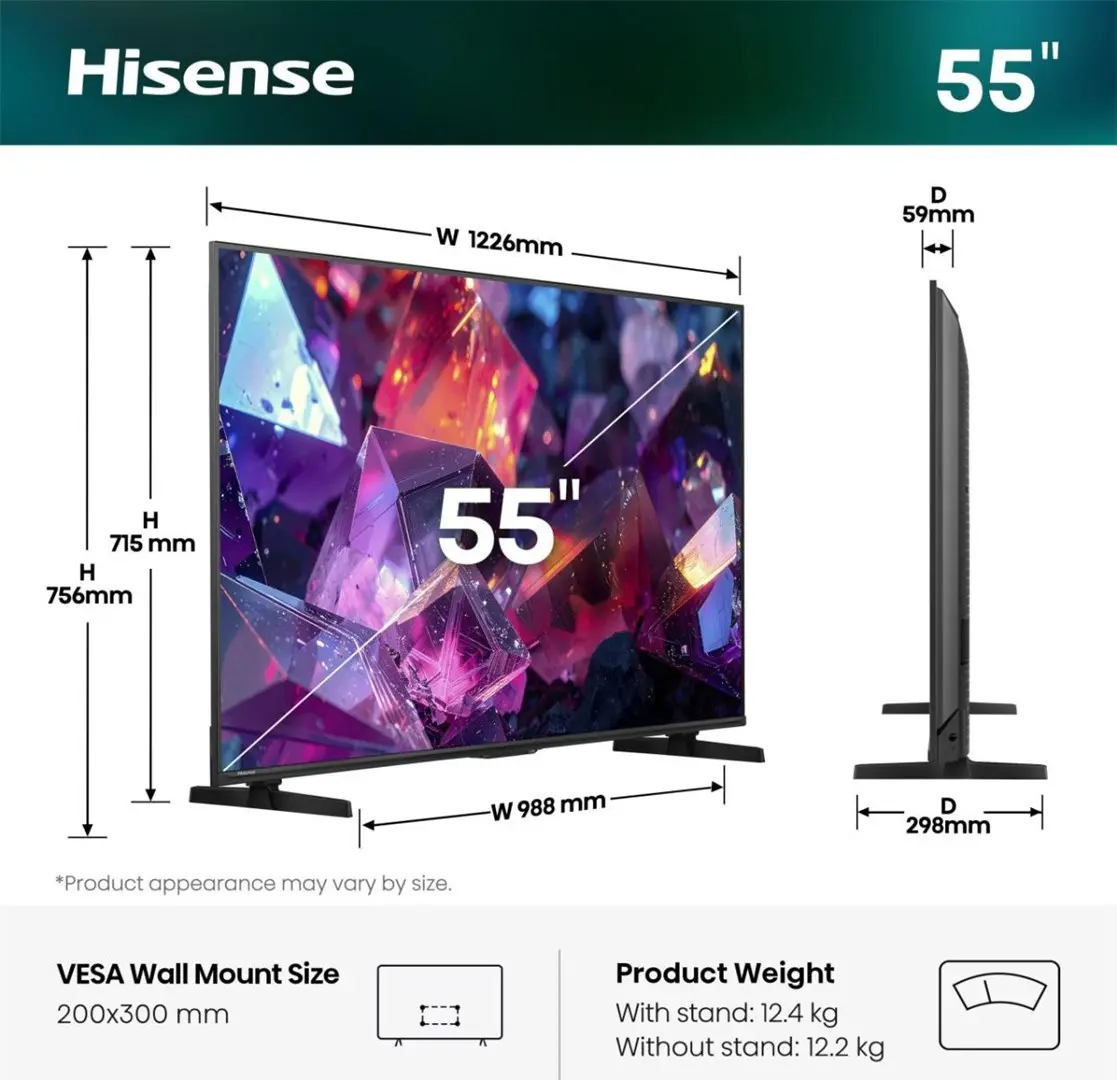
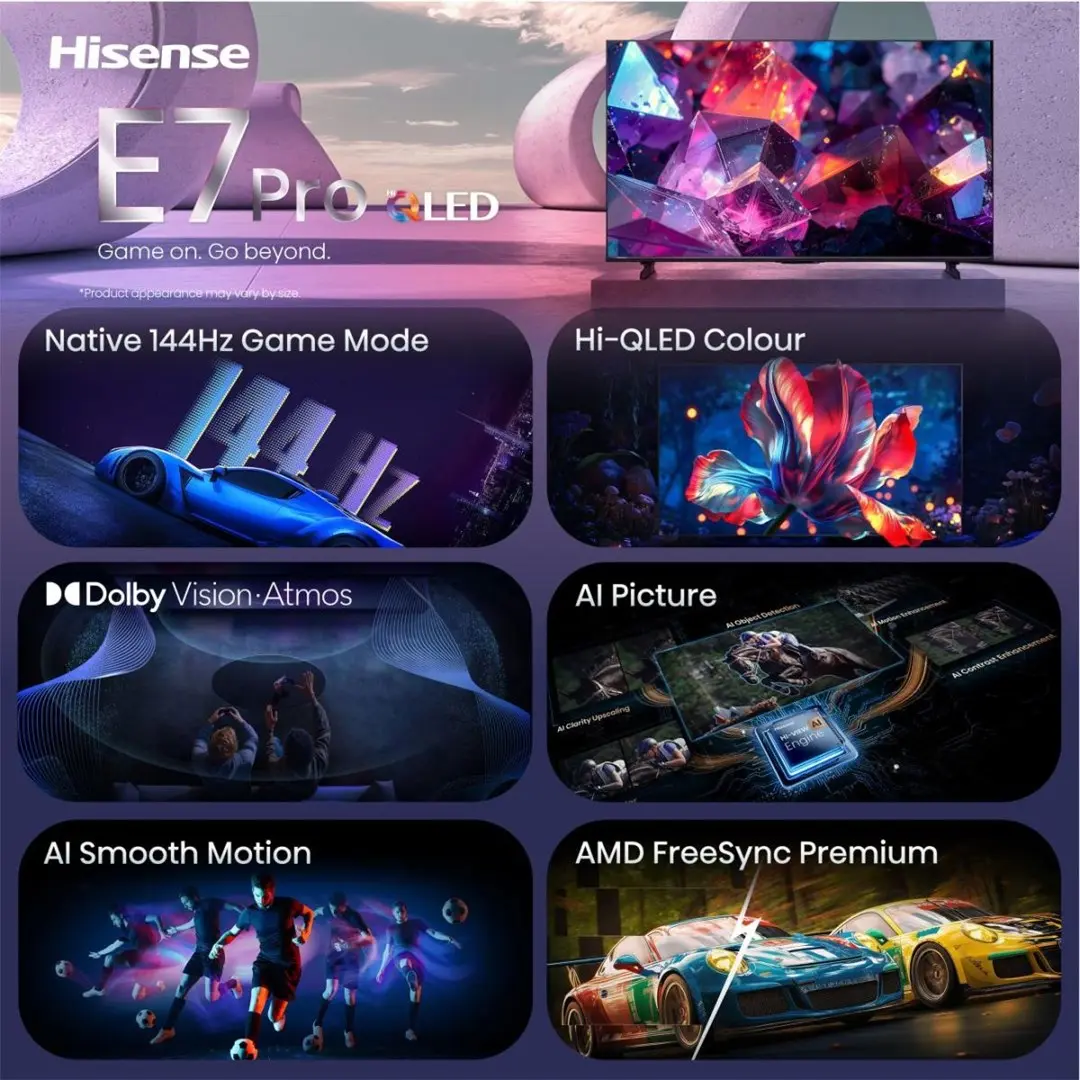

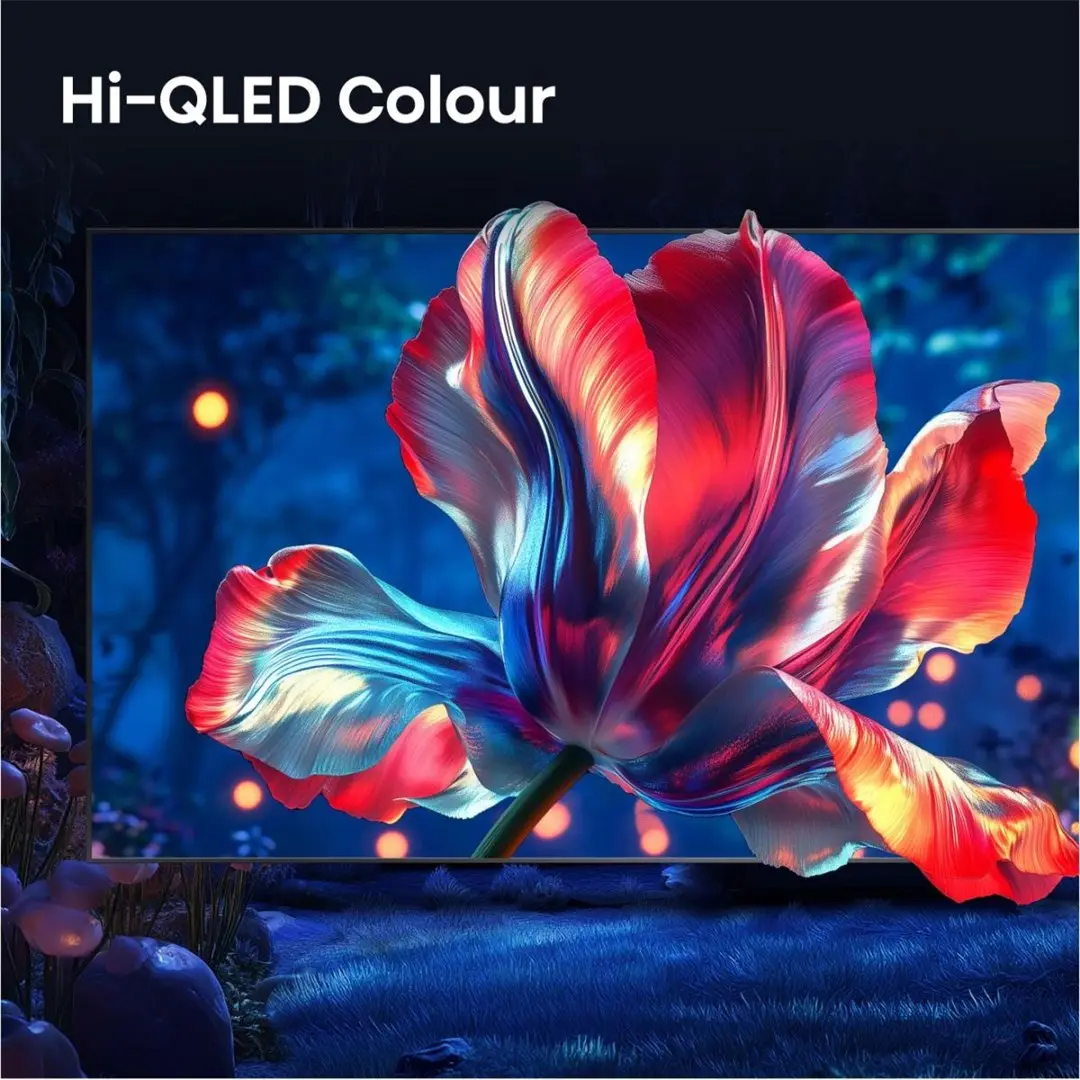

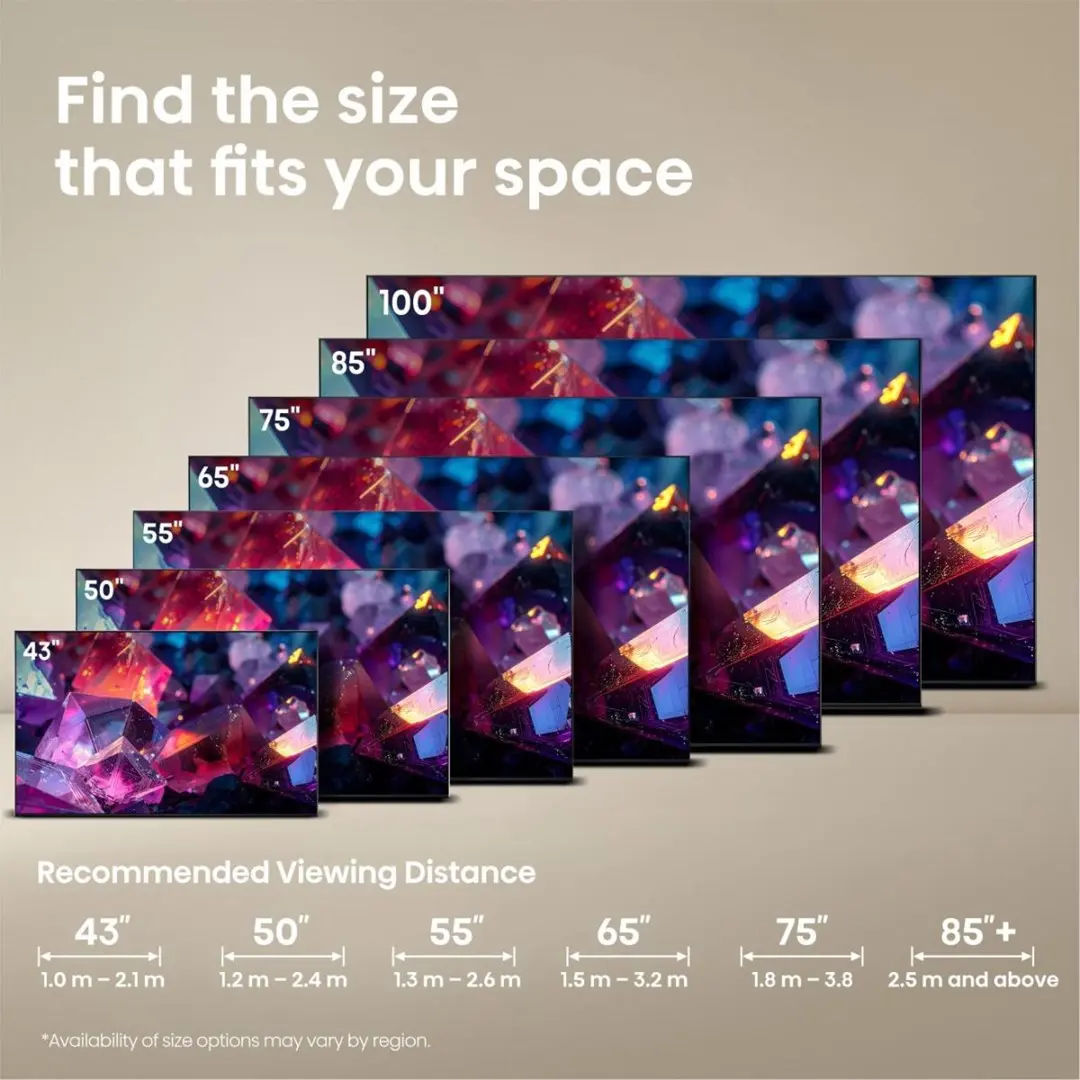
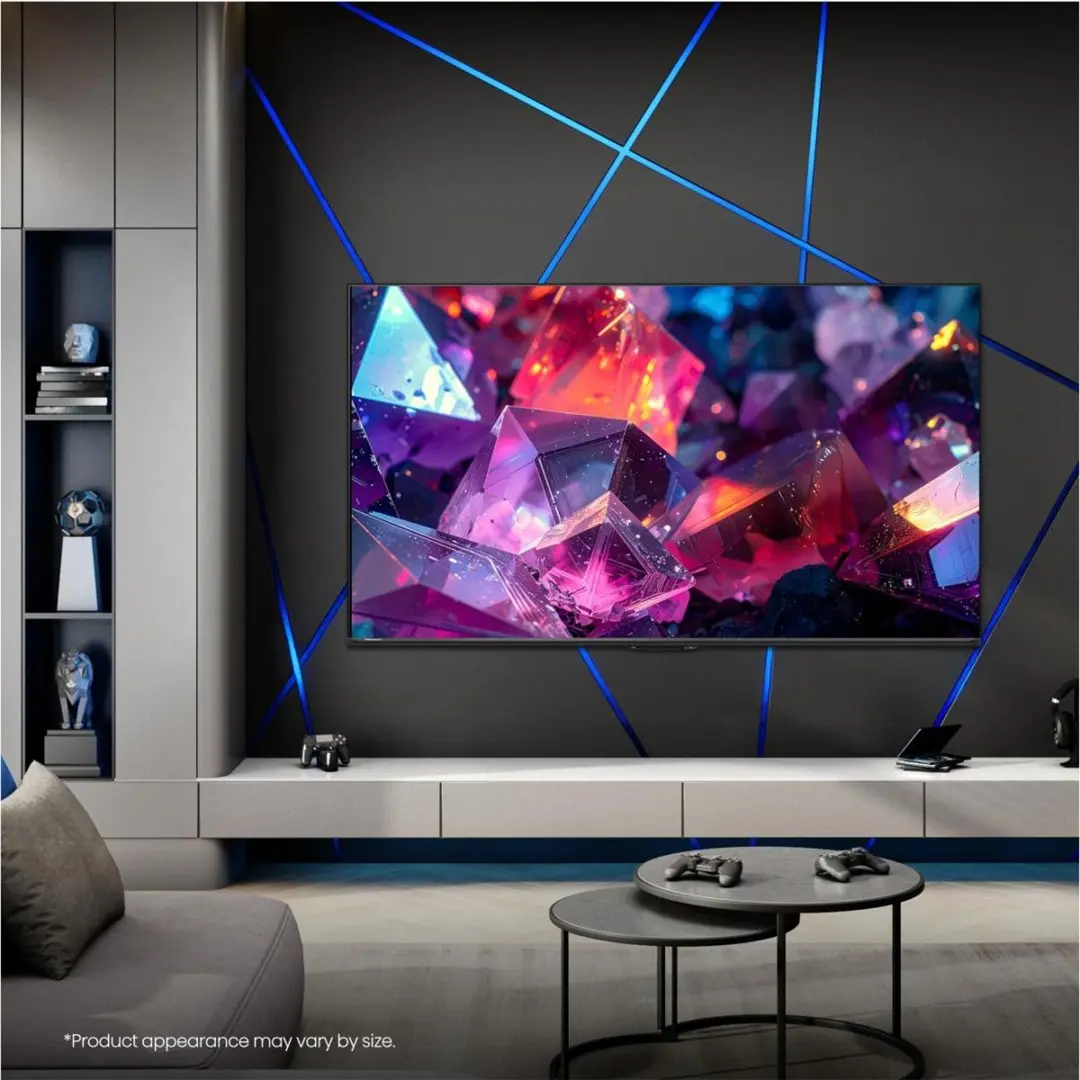


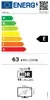
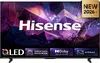
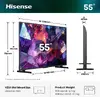









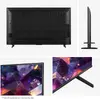
Hisense 55E7S PRO 55-inch 4K Ultra HD QLED Smart TV Black with Wi-Fi, 144Hz panel, and 3840 x 2160 resolution
{{selectedOffer && selectedOffer.price | formatAmount}}

Keep track of price changes
You keep track of price changes
Watch the price drop
Leave your address - as soon as the price of the product goes down, you'll know about it right away
You keep track of price changes
Hisense 55E7S PRO 55-inch 4K Ultra HD QLED Smart TV Black with Wi-Fi, 144Hz panel, and 3840 x 2160 resolution
{{email}}
You keep track of price changes
Hisense 55E7S PRO 55-inch 4K Ultra HD QLED Smart TV Black with Wi-Fi, 144Hz panel, and 3840 x 2160 resolution
{{email}}
{{selectedOffer && selectedOffer.price | formatAmount}}
Short description
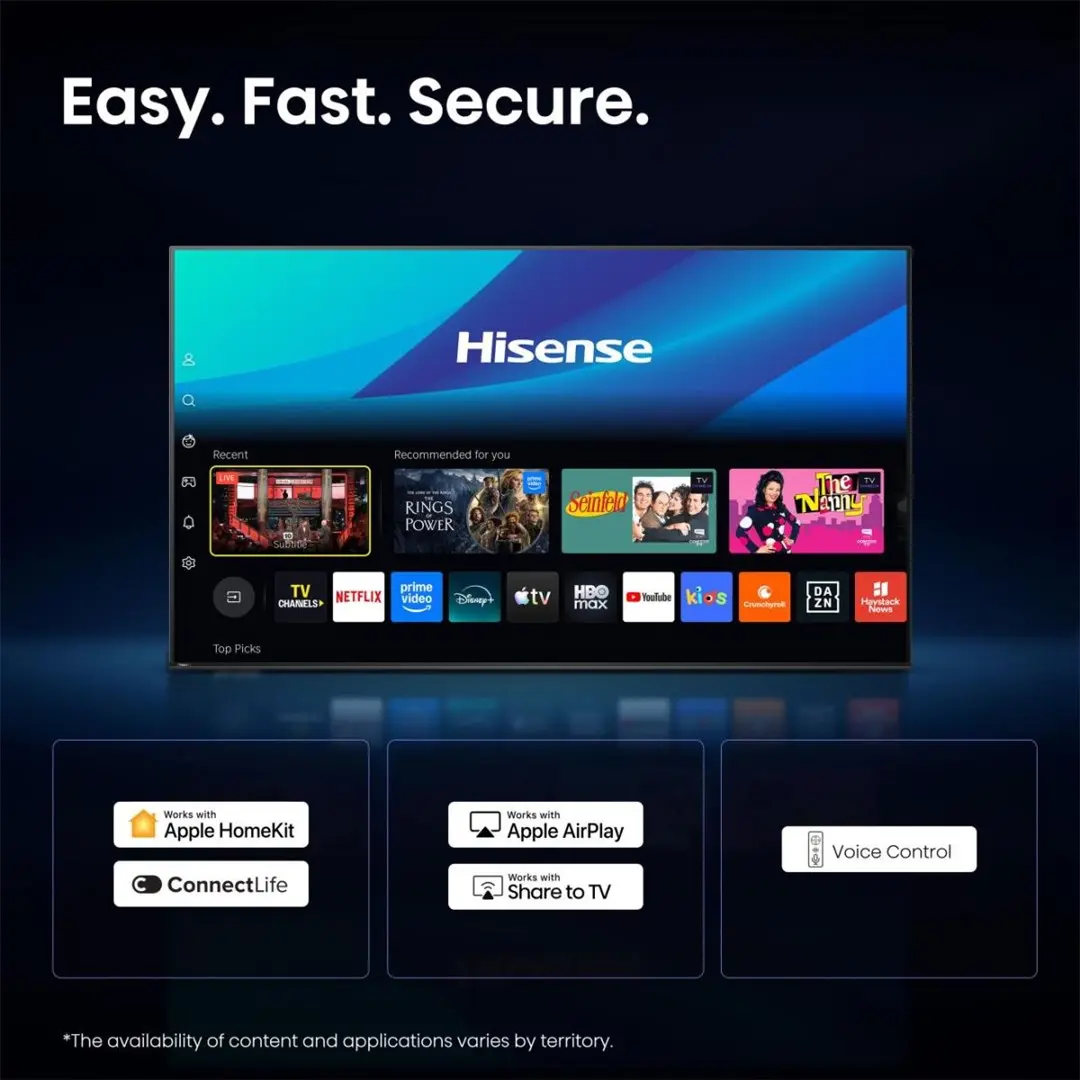
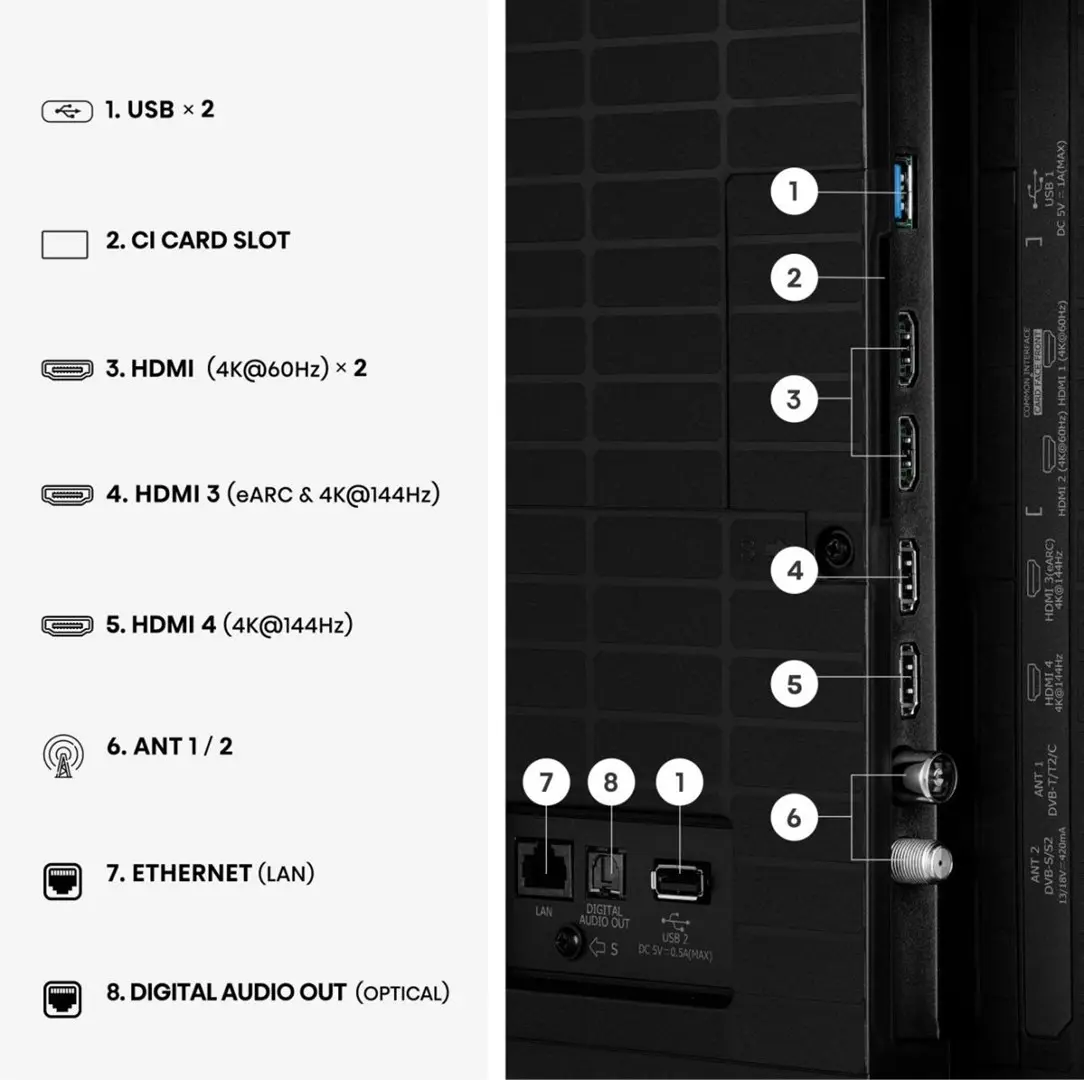
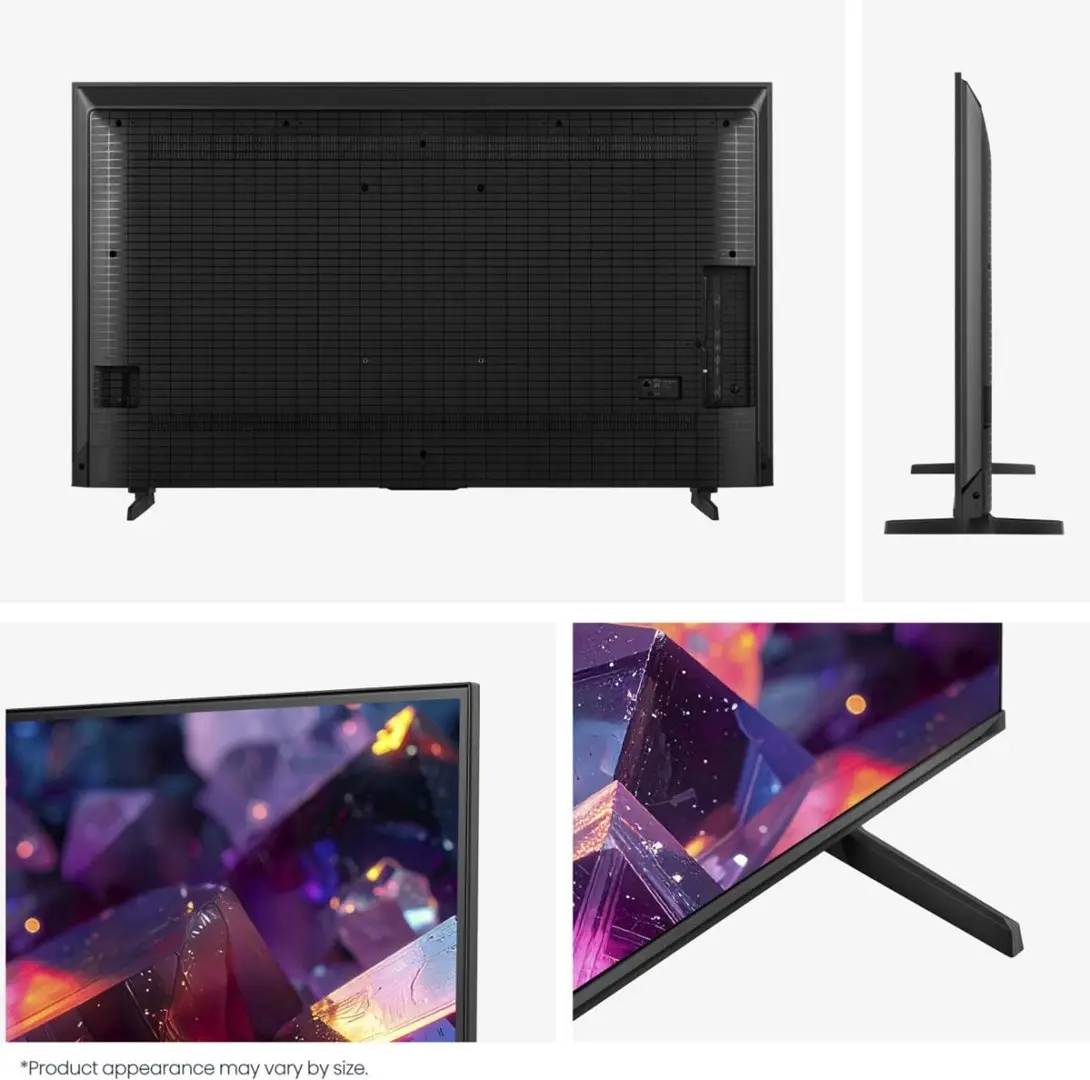
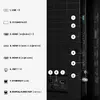
Hisense 55E7S PRO 55-inch QLED Smart TV delivering crisp 4K Ultra HD resolution at 3840 x 2160 pixels. Features a 144Hz refresh rate, Direct-LED backlighting, 350 cd/m² brightness, and a 3800:1 contrast ratio for vivid image quality. Equipped with built-in Wi-Fi, Ethernet LAN, and four HDMI ports for seamless connectivity. Ideal for immersive home entertainment, gaming, and streaming movies in outstanding detail.

to the Customer Service Center at Kengaraga 2b, Riga
Tuesday
{{selectedOffer.officeDeliveryString}}
free
- Delivery country: {{ userCountryName }}
Customer service center
2b. Kengaraga str., Riga, Latvia, LV-1063
Tuesday
{{selectedOffer.officeDeliveryString}}
free
Courier Delivery
Please note that in case of a large parcel additional delivery costs may apply!
From 12.83 € (Weight: 16.20 kg)

pay in 3 equal parts
All payment Methods:
Bank transfer, Bank cards on-line, Apple Pay, Google Pay, Installment
36 months installment:
from 14.49 euros per month


