
Dreame vacuums for fast and efficient cleaning!
In cart {{totalProductsCount}} item(s)
Your cart is empty
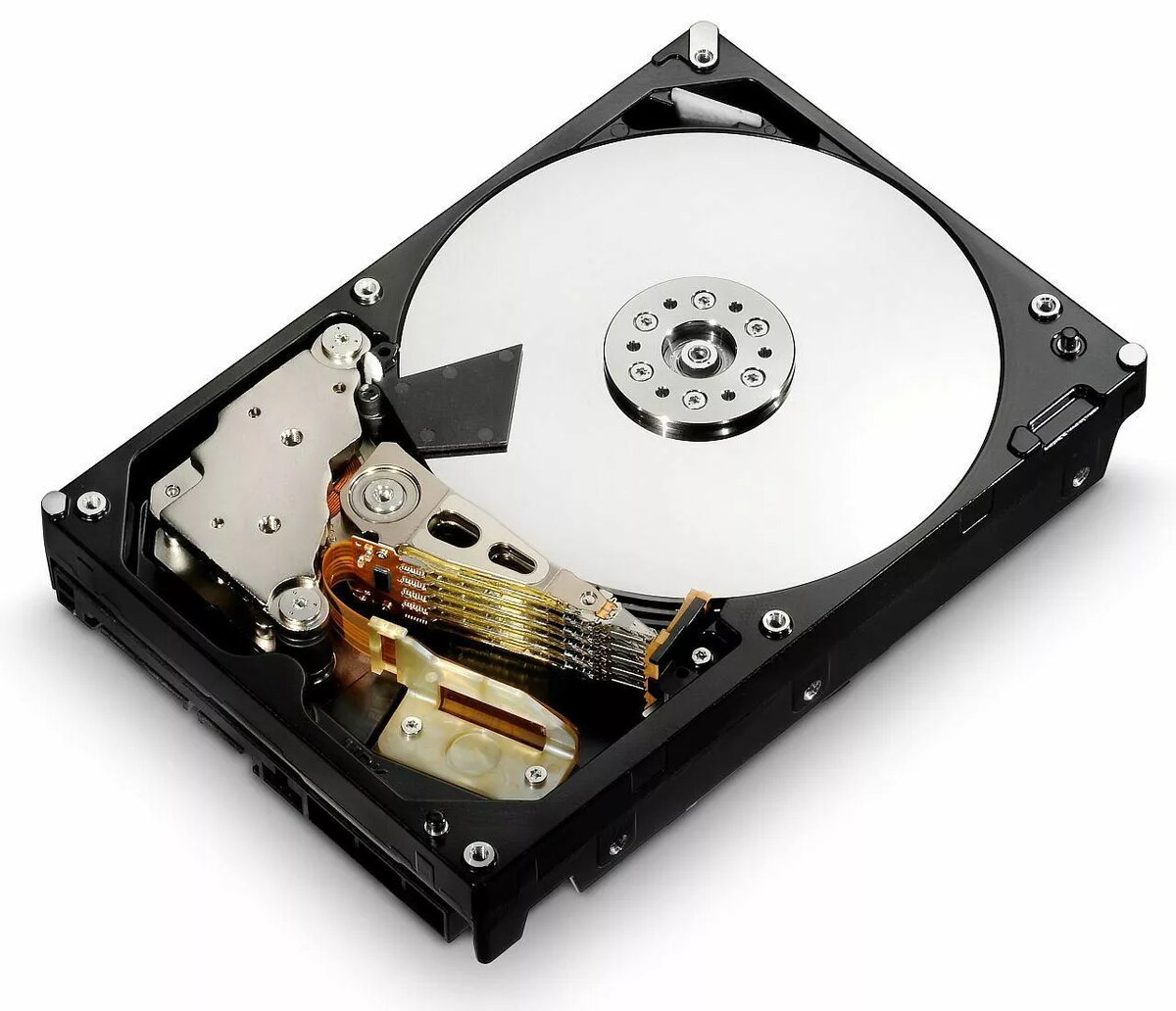
HDD HGST Ultrastar 7K4000 2TB 3.5" 0B26887-RFB
HDD HGST Ultrastar 7K4000 2TB 3.5" 0B26887-RFB is a 3.5-inch internal SATA hard drive from HITACHI (HGST) with 2TB capacity, 7200 RPM rotational speed and 64MB cache. The drive is designed for consistent high-throughput data access and sustained transfer rates typical for server, NAS and workstation environments. Model 0B26887-RFB implements standard SATA interface signaling and fits standard 3.5" drive bays used in tower servers and desktop-class storage systems.
The HGST Ultrastar 7K4000 offers a balance of capacity and performance with its 2TB storage, 7200 RPM spindle speed and 64MB buffer, which helps reduce latency for random and sequential reads. The drive is built to deliver reliable operation under continuous workloads common in data center and enterprise settings. Its 3.5" form factor and SATA connectivity allow straightforward integration into existing server trays and consumer-grade enclosures that accept standard SATA drives.
Install the HDD into a compatible 3.5" drive bay or tray following the server or chassis manufacturer's instructions. Connect the SATA data cable to the motherboard or host controller and attach a suitable 3.3V/5V/12V SATA power connector from the PSU. Initialize and format the drive in the operating system or storage controller before use; choose an appropriate file system and partitioning scheme for the intended workload. For RAID deployments, configure the drive within the RAID controller or software RAID environment and perform a full surface scan or consistency check after initial setup.
For reliable long-term operation, operate the Ultrastar 7K4000 in systems with adequate airflow and within manufacturer-specified temperature ranges. Use monitoring tools (SMART and storage-controller logs) to track drive health and schedule regular backups. In multi-drive arrays, balance workloads across drives and consider RAID or erasure coding for redundancy rather than relying on a single drive for critical data.
{{highlightedFeature.featureTitle}}:
{{getProductFeatureValueById(product, highlightedFeature.featureId)}}
{{ productComparisonGenerationError }}