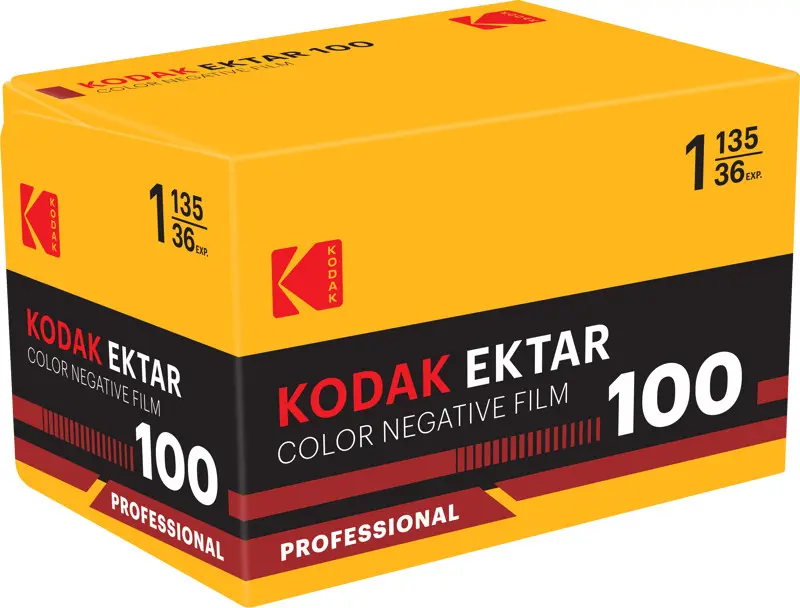
The Color negative film Kodak Ektar 100 ISO 35 mm 36 exposures daylight-balanced is compared here with several alternative Kodak options, including the medium-format version of Ektar 100 and other color negative films with different sensitivities and intended uses. All of these products share daylight balancing and reliable color reproduction, but they differ in format, ISO speed, grain structure, and best-suited photography scenarios.
⚙️ The specifications table below compares key technical parameters such as film format, ISO sensitivity, exposures per roll, grain characteristics, and color performance, alongside a practical analysis of how these differences affect real-world shooting.
| Parameter | Kodak Ektar 100 35 mm | Kodak Ektar 100 120 (5-Roll Pack) | Kodak Ultramax 400 35mm | Kodak Ektacolor Pro 400 35mm | Kodak Gold 200 35mm | Kodak Eastman Ektacolor Pro 160 | Practical Significance |
|---|
| Product Type | Color negative film | Color negative film | Color negative film | Color negative film | Color negative film | Color negative film | All products capture color negatives, but they are engineered for different speed and format requirements. |
| Format | 35 mm | 120 (Medium Format) | 35 mm | 35 mm | 35 mm | 35 mm | Format determines camera compatibility and potential detail resolution. |
| ISO Speed | ISO 100 | ISO 100 | ISO 400 | ISO 400 | ISO 200 | ISO 160 | Higher ISO speeds handle lower light better, whereas lower ISO speeds prioritize sharpness and fine grain. |
| Exposures / Rolls | 36 exposures (1 roll) | 5 rolls (Medium Format) | 3 rolls of 36 exposures | 36 exposures (1 roll) | 36 exposures (1 roll) | 36 exposures (1 roll) | Affects how long you can shoot before needing to reload. |
| Grain & Sharpness | Finest grain, ultra-sharp | Finest grain, maximum detail | Fine grain, sharp detail | Very fine grain, high sharpness | Fine grain, sharp detail | Ultra-fine grain, smooth highlights | Ektar films provide the smallest grain structure for technical clarity and landscape work. |
◎ The suitability table below evaluates which user needs, usage scenarios, and photography styles align best with each product in the comparison.
| Use Case | Recommended Product | Why |
|---|
| Nature, travel, and commercial photography in 35 mm | Color negative film Kodak Ektar 100 ISO 35 mm 36 exposures daylight-balanced | Delivers ultra-vivid colors, exceptional sharpness, and the finest grain available in a 35 mm format. |
| Nature and commercial photography in medium format | Kodak Ektar 100 120 (5-Roll Pack) | Provides the same unmatched Ektar 100 quality on 120 medium-format film for even greater resolving power. |
| Low-light and fast-paced everyday shooting | Kodak Eastman Ultramax 400 35mm | ISO 400 sensitivity and vivid saturation make it ideal for spontaneous, action, and dimmer lighting conditions. |
| Portrait and wedding photography across various lighting | Kodak Ektacolor Pro 400 35mm | A professional ISO 400 film offering natural skin tones and a broad exposure latitude. |
| Everyday family moments and vacation snapshots | Kodak Gold 200 35mm | Features a forgiving exposure latitude that tolerates lighting mistakes and ensures reliable everyday colors. |
| Portraits and fashion with digital scanning workflows | Kodak Eastman Ektacolor Pro 160 35mm | Optimized for hybrid workflows, offering natural skin tones and smooth, clean highlights. |
The Color negative film Kodak Ektar 100 ISO 35 mm 36 exposures daylight-balanced differs from the alternatives by offering the most vivid colors, highest sharpness, and finest grain within the standard 35 mm format. It is best suited for photographers who prioritize ultimate detail and precise color fidelity in outdoor, travel, and commercial work under ample daylight. You may prefer this product over the alternatives if your primary goal is to achieve technically flawless, ultra-sharp results with a 35 mm camera.