
Hurry and order now – up to 50% off!
In cart {{totalProductsCount}} item(s)
Your cart is empty
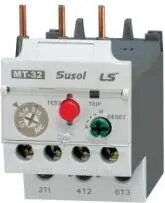
LS MT-32 Thermal Overload Relay 0.63 - 1A
The LS MT-32 thermal overload relay is a high-quality protective device engineered to safeguard electric motors from damage caused by overloads and phase failures. Designed for seamless integration into industrial electrical systems, this relay offers an adjustable current range of 0.63 to 1A, allowing for precise calibration to match the specific requirements of your motor. Its robust construction ensures reliable performance and operational safety in demanding automation environments.
This thermal overload relay provides exceptional protection by monitoring current flow and interrupting the circuit when an overload is detected, thereby preventing overheating and potential motor burnout. The device is specifically optimized for compatibility with LS contactors, ensuring a straightforward installation process and reliable mechanical connection. Its precise tripping characteristics offer consistent performance, reducing downtime and extending the service life of connected electrical equipment.
This device may not be suitable for applications requiring protection against short-circuit currents, as it is designed specifically for thermal overload and phase loss protection. It should not be used in environments where the ambient temperature exceeds the manufacturer's specified operating range or in highly corrosive atmospheres without appropriate protective enclosures.
To use the LS MT-32 thermal overload relay, mount it directly to the corresponding LS contactor or install it on a standard DIN rail using the appropriate adapter. Once installed, connect the motor power cables to the output terminals and the supply lines to the contactor input. Use the adjustment dial on the front of the device to set the current value according to the motor's rated full-load current. After installation, perform a test trip to ensure the mechanism is functioning correctly.
Usage recommendations: Regularly inspect the relay terminals for tightness and ensure the device is free from dust or debris. Periodically test the tripping function to maintain optimal safety standards in your electrical installation.
{{highlightedFeature.featureTitle}}:
{{getProductFeatureValueById(product, highlightedFeature.featureId)}}