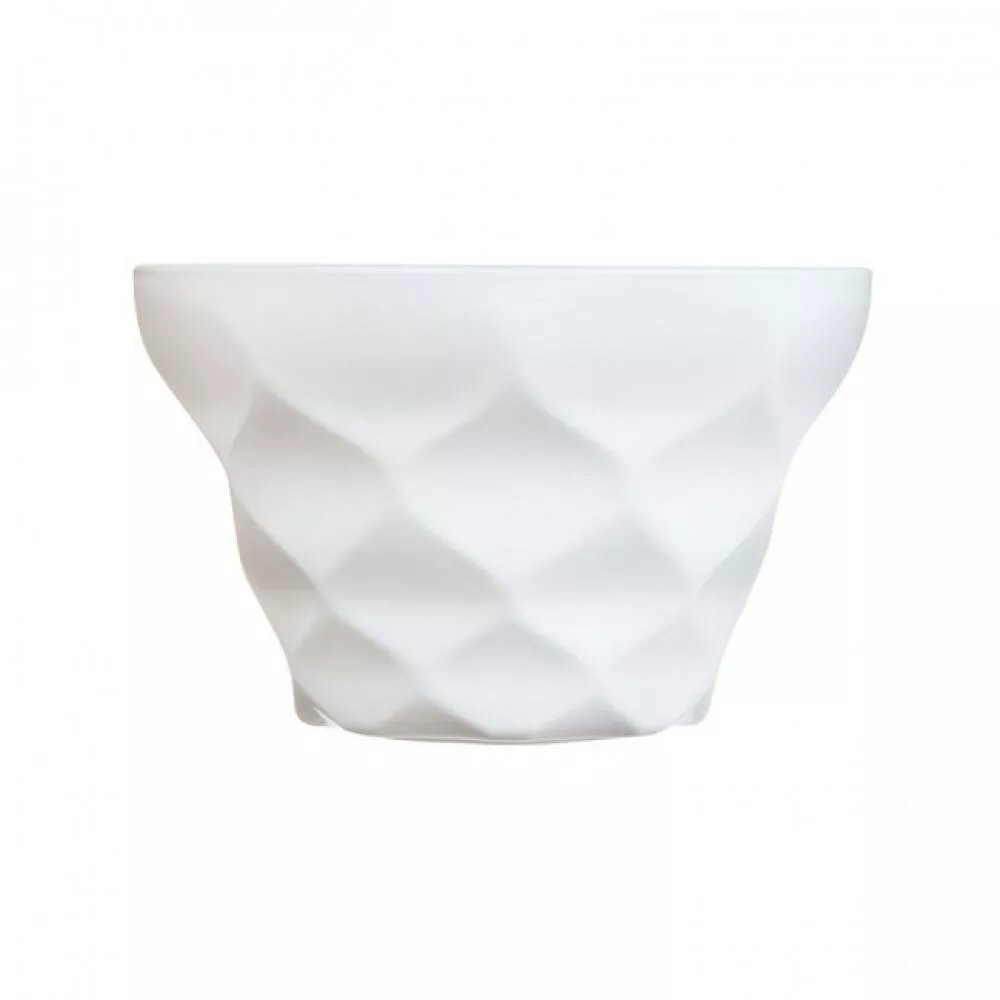
The main product, Dessert bowl Luminarc FR01P0902 20 cl, white, porcelain, is compared with several similar alternatives from the Luminarc brand, including Dessert bowl Luminarc MAEVA VINTAGE 20 cl, Bowl Luminarc Maeva Vintage Deserta 35 cl by Luminarc — 350 ml dessert bowl, glass, Luminarc opal glass bowl Trianon D6884 12 cm 32 cl — salad, dessert, sauce, Glass Luminarc HONEY MYSTIC 36 cl — drinking glass for tableware, and Glass bowl Luminarc Diwali Black 12 cm 40 cl — tempered, microwave-- and dishwasher-safe. All these items are designed for table service, but they differ in material, capacity, shape, and intended use, with some models specialized for desserts while others suit salads, sauces, or beverages.
⚙️ The table below compares the product type, material, capacity, and primary purpose of each option to clarify their practical differences.
| Parameter | Dessert bowl Luminarc FR01P0902 20 cl, white, porcelain | Dessert bowl Luminarc MAEVA VINTAGE 20 cl | Bowl Luminarc Maeva Vintage Deserta 35 cl | Luminarc opal glass bowl Trianon D6884 12 cm 32 cl | Glass Luminarc HONEY MYSTIC 36 cl | Glass bowl Luminarc Diwali Black 12 cm 40 cl | Practical conclusion |
|---|
| Product type | Dessert bowl | Dessert bowl | Dessert bowl | Bowl for salads, desserts, and sauces | Drinking glass | Glass bowl | The products serve distinct purposes ranging from portioned dessert presentation to beverage and salad serving. |
| Material | Porcelain | Not specified | Glass | Tempered opal glass | Clear glass | Tempered glass | The base model uses porcelain for a classic white finish, whereas the alternatives rely on glass or opal glass materials. |
| Capacity / Size | 20 cl (200 ml) | 20 cl (200 ml) | 35 cl (350 ml) | 12 cm, 32 cl | 36 cl (360 ml) | 12 cm, 40 cl | Capacities range from compact 200 ml portions up to 400 ml for larger servings and beverages. |
| Intended use | Desserts, fruit, yogurt, sauces | Desserts, puddings, fruit, snacks | Desserts, fruit, yogurt, small portions | Salads, desserts, sauces | Water, juice, cold beverages | Hot food and beverage serving, table use | The main product is optimized for small portions, while alternatives offer larger volumes or specialized beverage functions. |
◎ The table below evaluates which product is most suitable for different user needs and usage scenarios.
| Usage scenario | Recommended product | Why |
|---|
| Serving small portions of desserts or yogurt | Dessert bowl Luminarc FR01P0902 20 cl, white, porcelain | The compact 20 cl capacity and porcelain construction are ideal for neat portion-controlled serving at home or in hospitality. |
| Serving desserts in a classic or vintage style | Dessert bowl Luminarc MAEVA VINTAGE 20 cl | The corresponding design supports retro table settings while maintaining a compact dessert capacity. |
| Serving larger portions of desserts and fruit | Bowl Luminarc Maeva Vintage Deserta 35 cl by Luminarc — 350 ml dessert bowl, glass | The larger 350 ml capacity accommodates more generous servings and gatherings. |
| Versatile use for salads and sauces | Luminarc opal glass bowl Trianon D6884 12 cm 32 cl — salad, dessert, sauce | Tempered opal glass provides heat resistance suitable for both cold salads and warm sauces. |
| Serving cold beverages, juices, and water | Glass Luminarc HONEY MYSTIC 36 cl — drinking glass for tableware | The tall shape and 360 ml volume are specifically built for drinking rather than dessert use. |
| Serving hot foods with thermal shock resistance | Glass bowl Luminarc Diwali Black 12 cm 40 cl — tempered, microwave-- and dishwasher-safe | Tempered glass withstands temperature variations and allows safe microwave heating. |
The main product Dessert bowl Luminarc FR01P0902 20 cl, white, porcelain differs from alternatives through its 20 cl capacity and porcelain construction, making it best suited for precise portion serving of desserts, yogurts, and sauces. A buyer should prefer this model when seeking a compact, clean white dish for everyday domestic or hospitality table settings, whereas larger portions, beverages, or alternative materials call for the respective alternative models.