Save time and money with our discounts!
In cart {{totalProductsCount}} item(s)
Your cart is empty
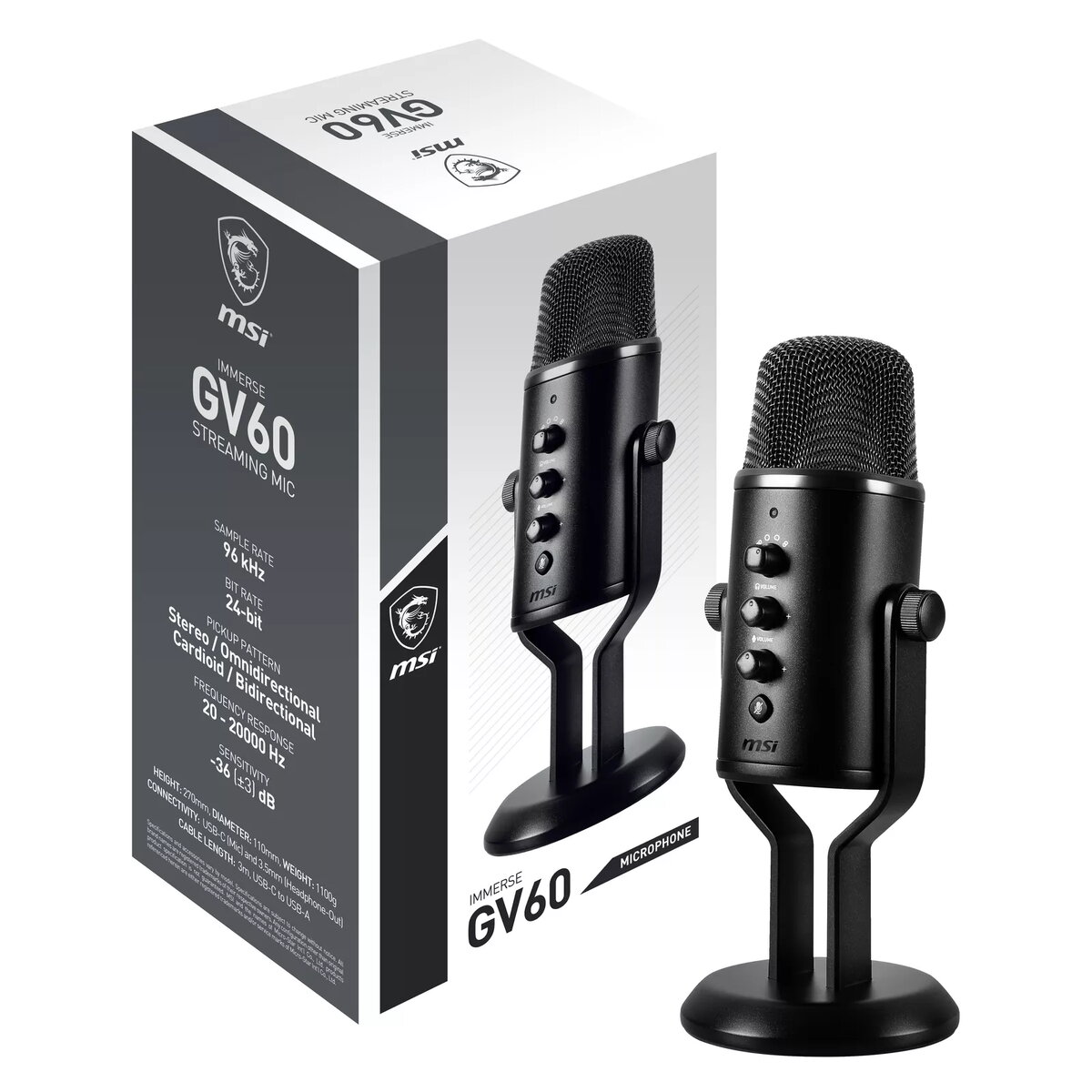
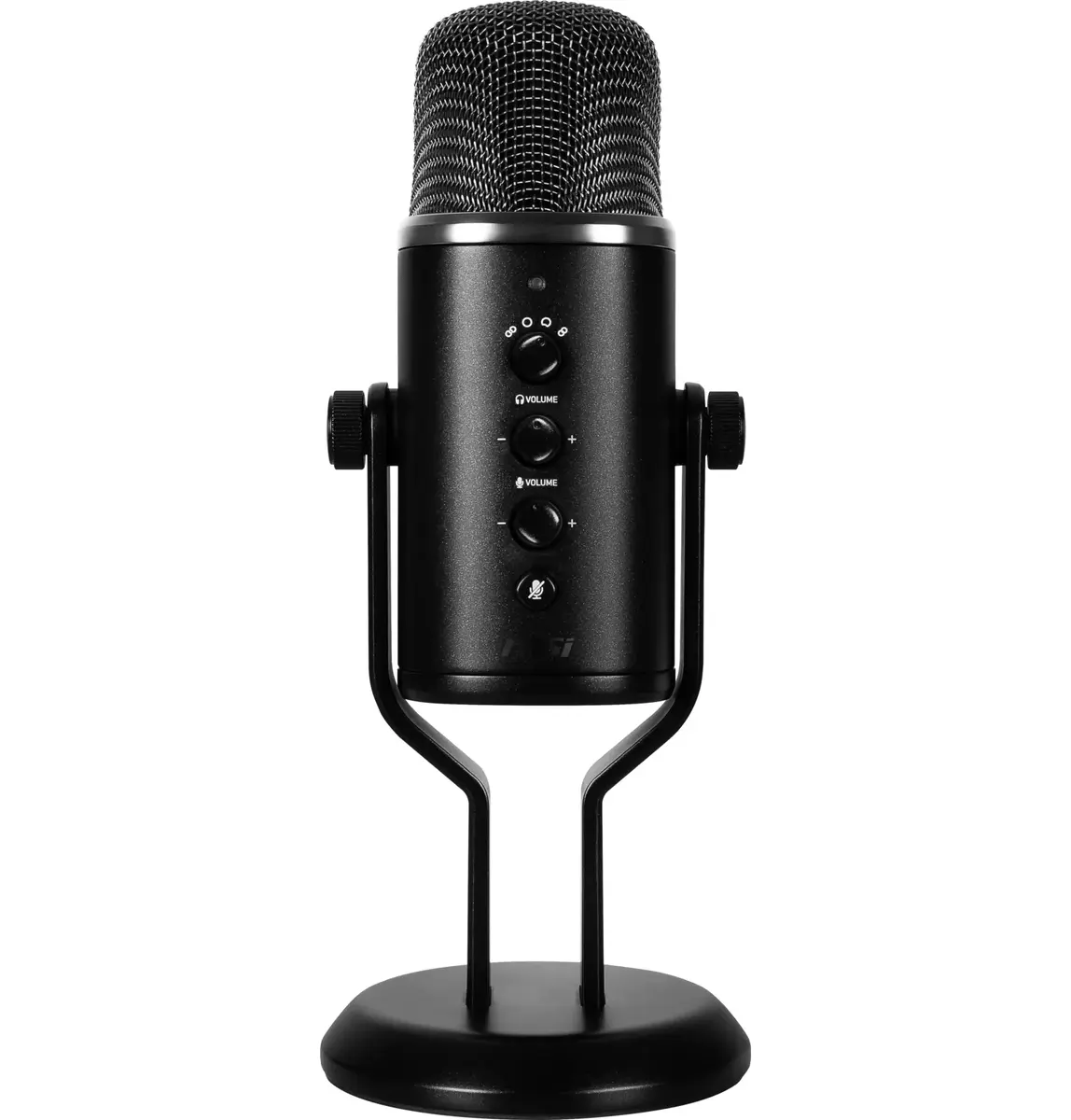
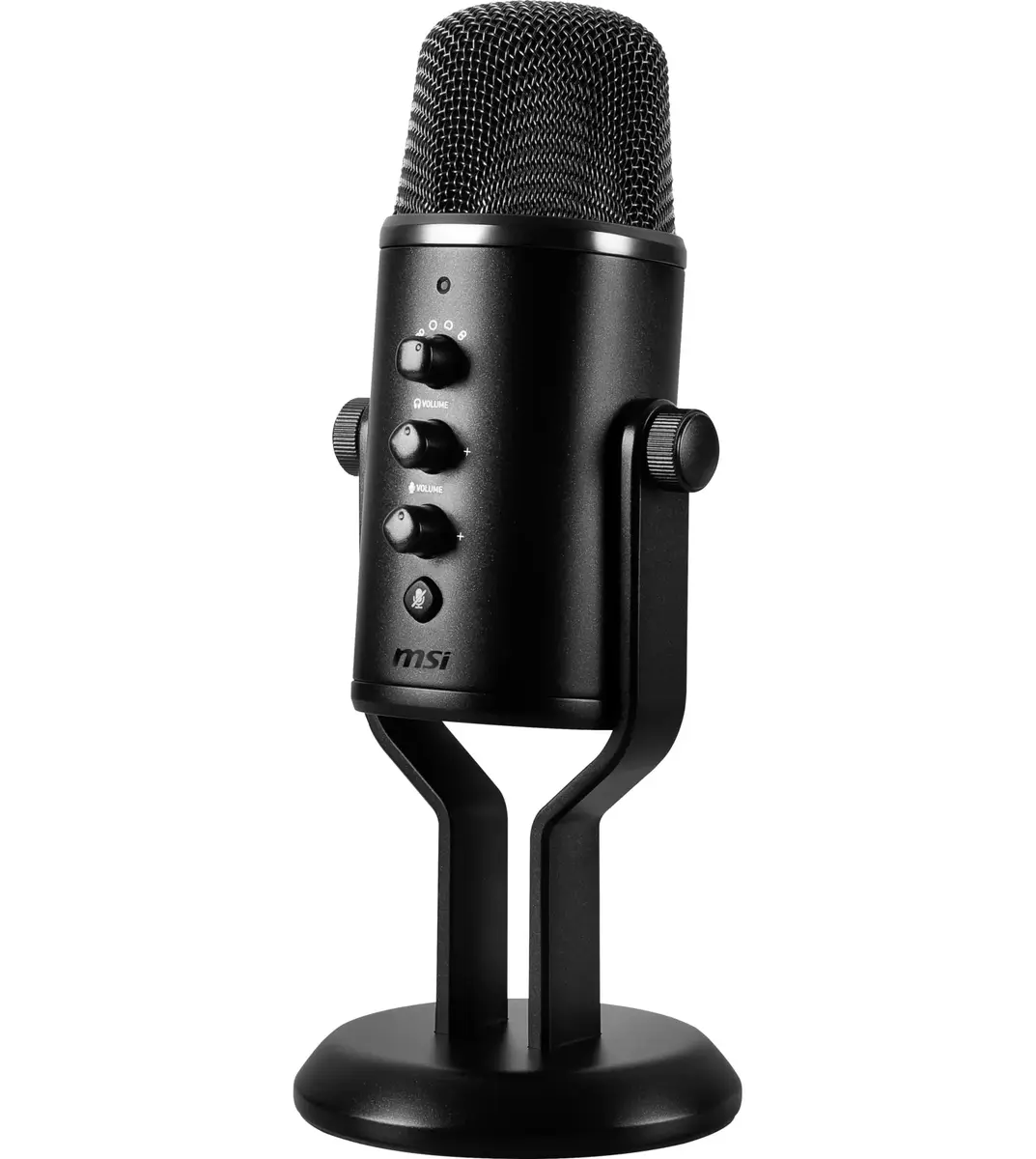
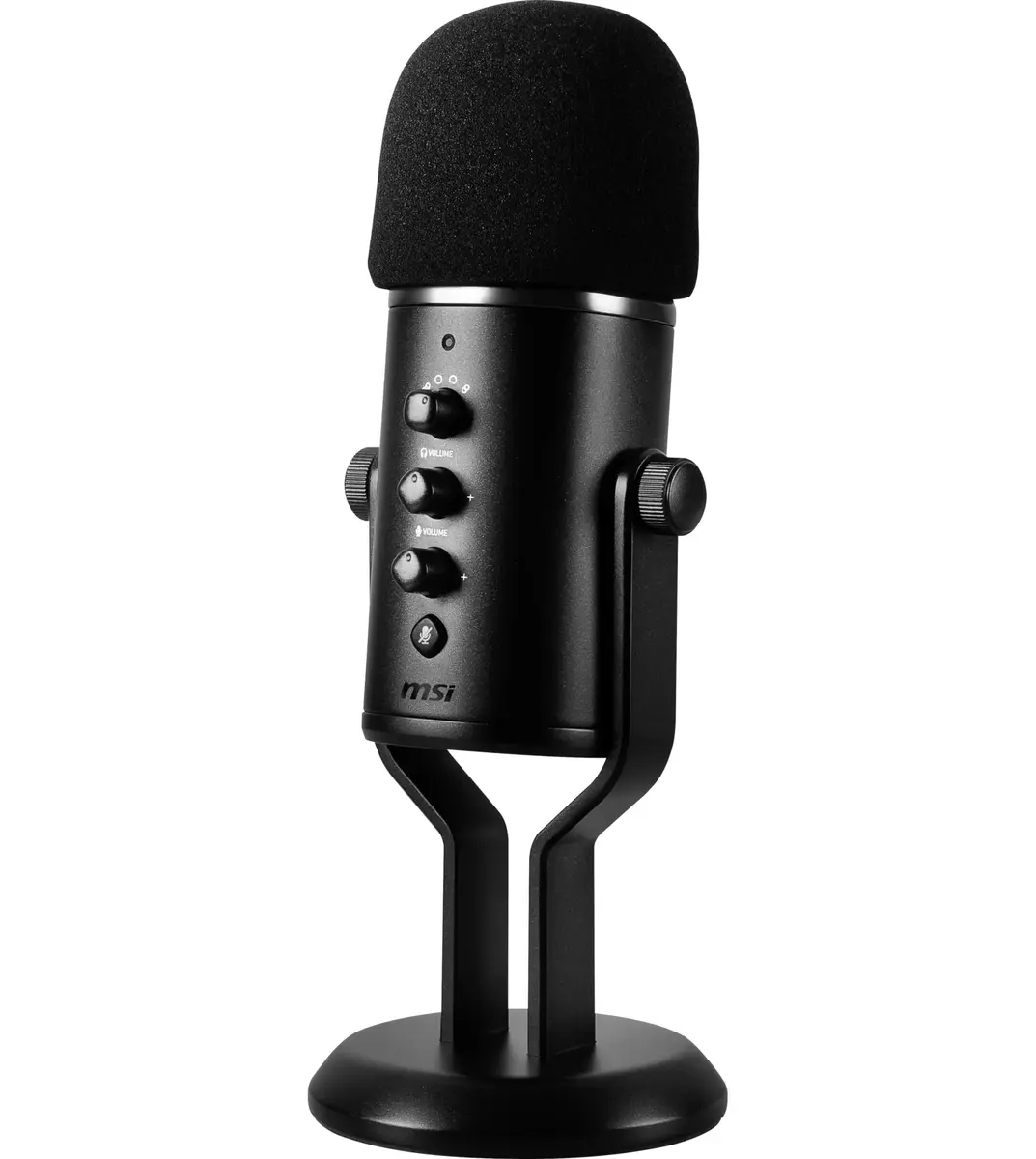
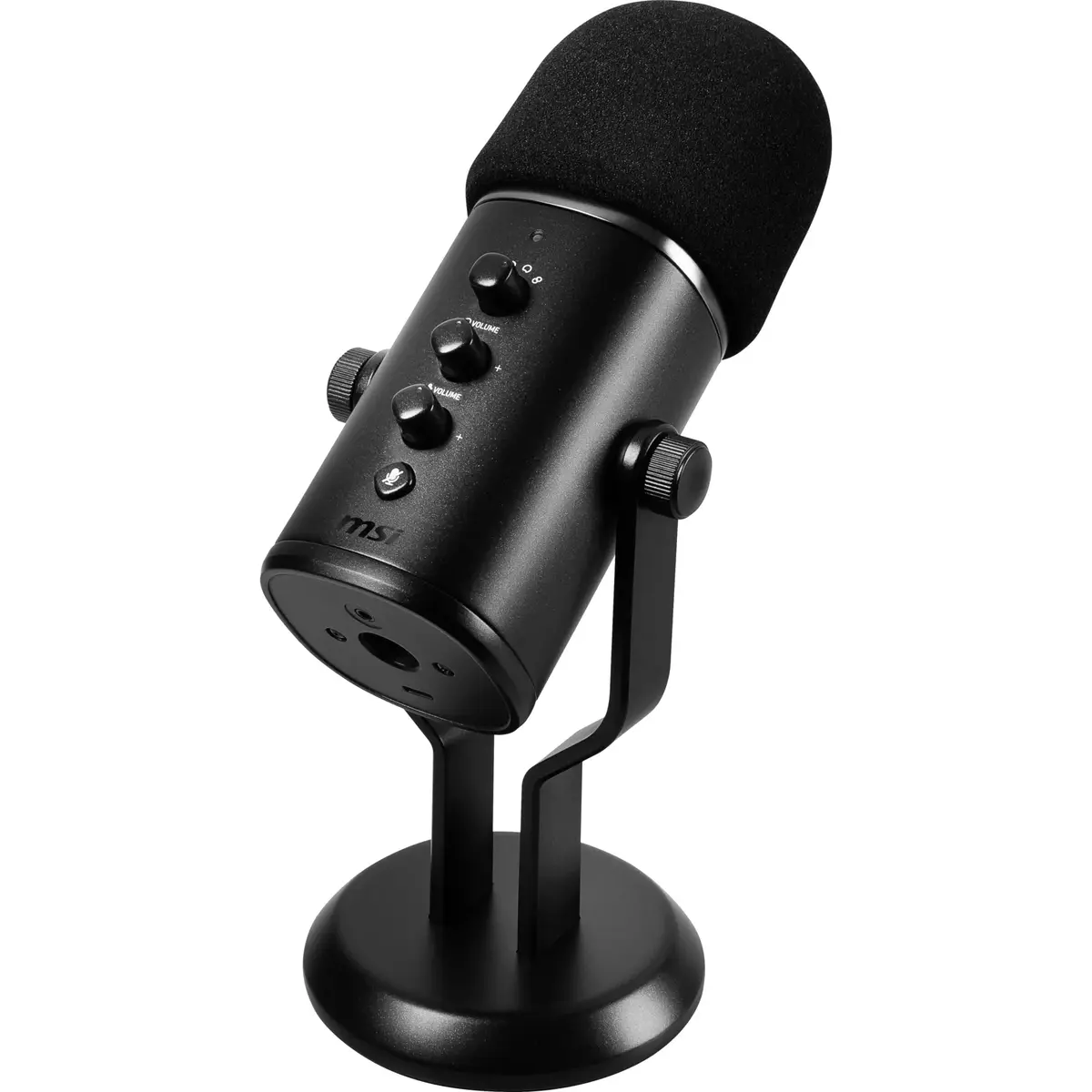
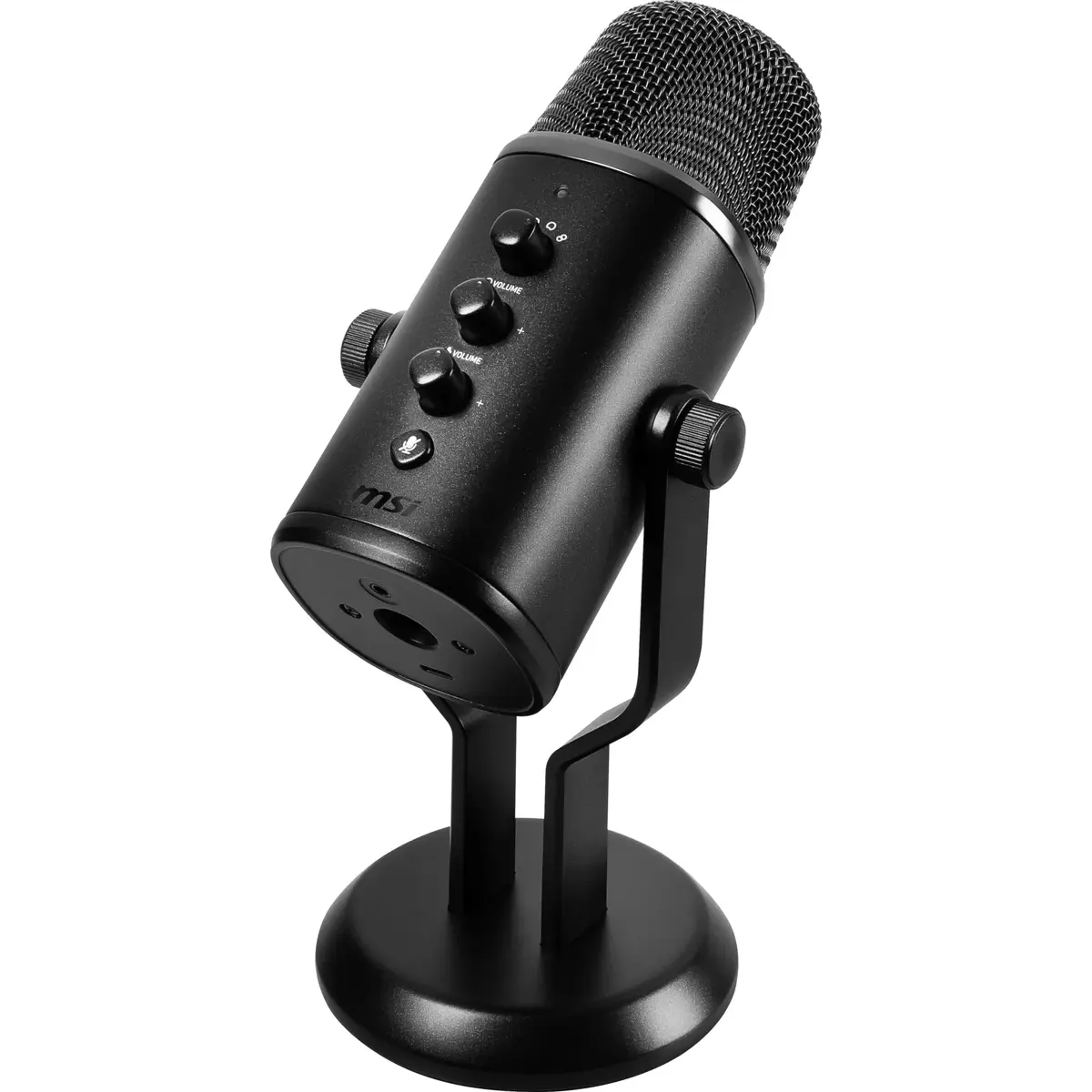
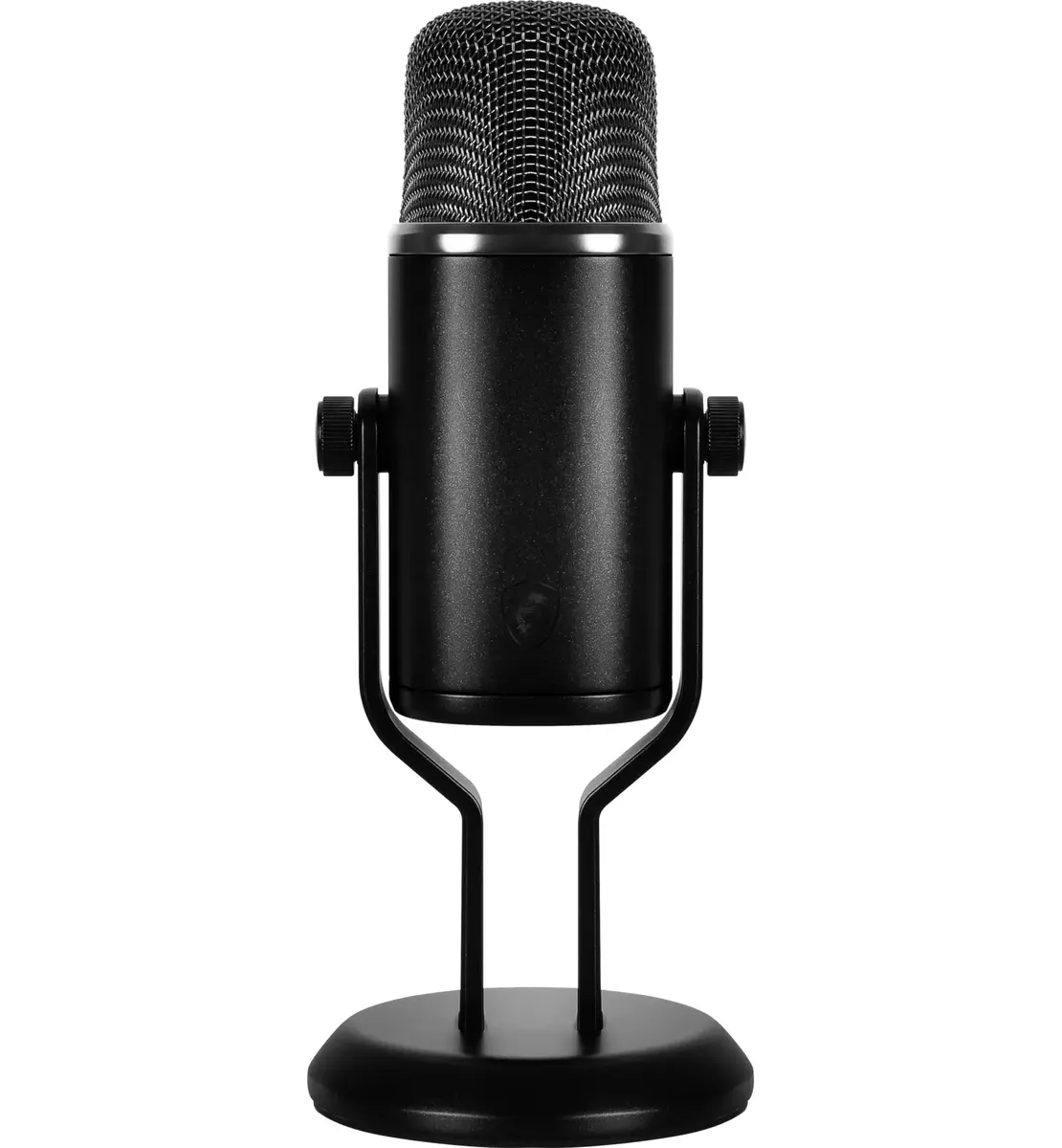
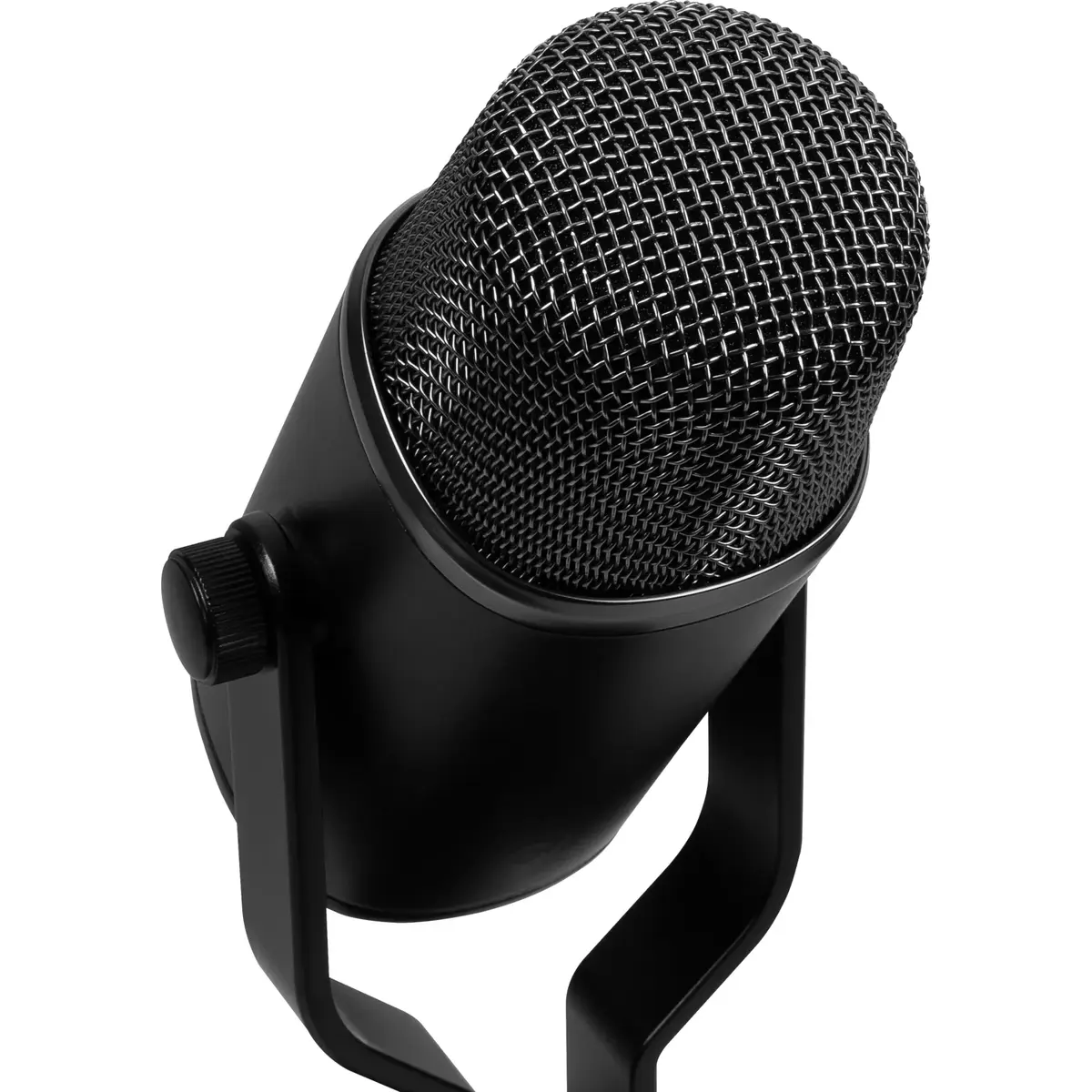
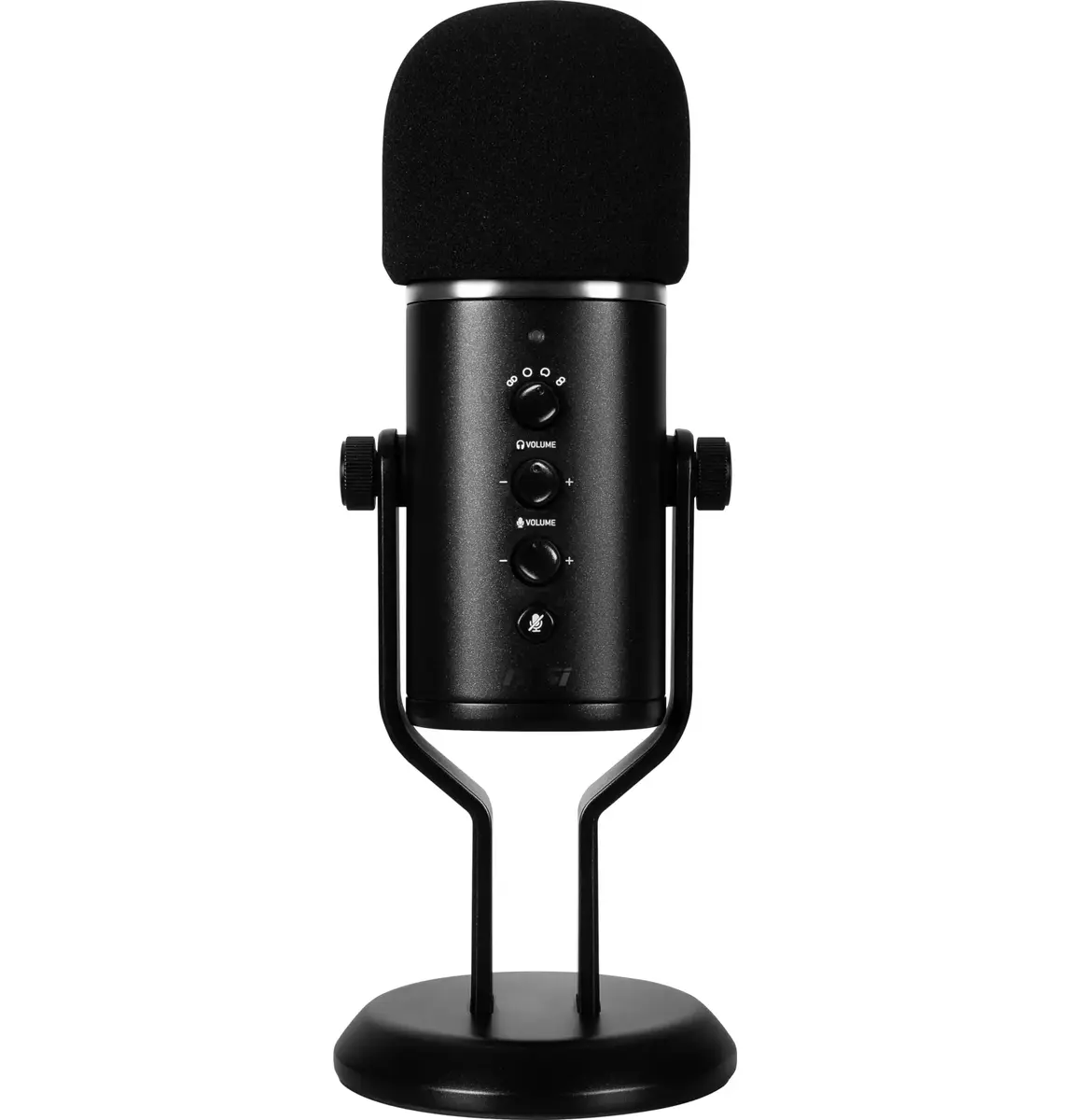
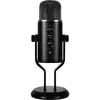
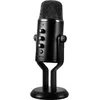
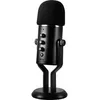
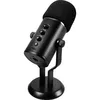
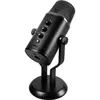
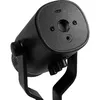
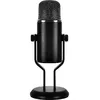
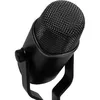
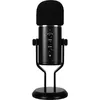
Microphone MSI IMMERSE GV60
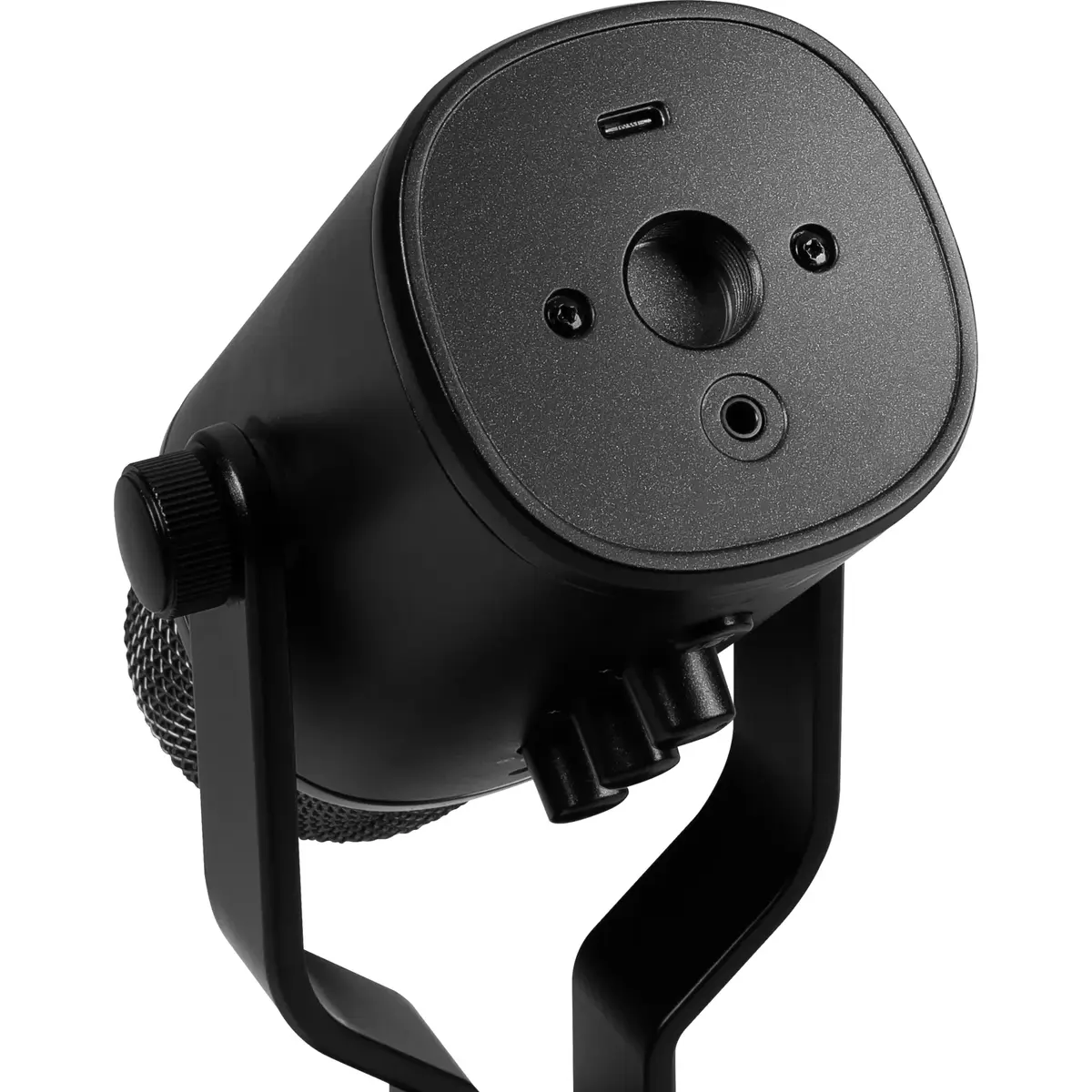
The MSI IMMERSE GV60 Streaming Mic is a wired USB Type-C and 3.5 mm aux microphone designed for streaming, podcasting, voiceover and recording. Its matte-finished aluminum body houses multiple condensers and supports a high-resolution sample rate of 24 bit / 96 kHz. The microphone offers four selectable pickup patterns—Stereo, Omnidirectional, Cardioid and Bidirectional—so you can adapt to different recording situations. Physical dimensions are 270 mm x 110 mm x 110 mm, the unit is black, and it connects via a 3 m cable with USB power.
The GV60 delivers clear, high-resolution audio with a wide frequency response from 20 to 20,000 Hz and a sensitivity rating of 36 dB. Multiple condenser capsules and selectable polar patterns provide flexibility for close-up vocal work, ambient capture, and dual-source recording without the need to change microphones. Wired connectivity via USB Type-C and a 3.5 mm interface ensures low-latency signal transfer and broad compatibility with streaming setups and audio interfaces. The aluminum construction offers durability while maintaining a professional appearance.
Connect the GV60 to your computer or compatible device using the USB Type-C cable and, if needed, use the 3.5 mm aux for direct monitoring or alternative connections. Select the desired pickup pattern according to the recording scenario: Stereo for realistic vocal or ensemble capture, Omnidirectional to capture room ambience or conference participants, Cardioid for focused vocal and streaming capture, and Bidirectional for interviews or duet recording. Place the microphone at an appropriate distance from the sound source—close for voice and solo instruments when using Cardioid, and further away for Stereo or Omnidirectional setups—and monitor levels in your recording software to avoid clipping.
Use Cardioid mode for single-voice streaming and podcasting to reduce background noise; choose Omnidirectional for group discussions or room ambience; use Bidirectional for face-to-face interviews; and use Stereo for musical performances. For best results, position the microphone on a stable surface or boom, maintain consistent distance to the sound source, and monitor input levels to ensure clear, distortion-free recordings.
{{highlightedFeature.featureTitle}}:
{{getProductFeatureValueById(product, highlightedFeature.featureId)}}
{{ productComparisonGenerationError }}