Dreame vacuums for fast and efficient cleaning!
In cart {{totalProductsCount}} item(s)
Your cart is empty
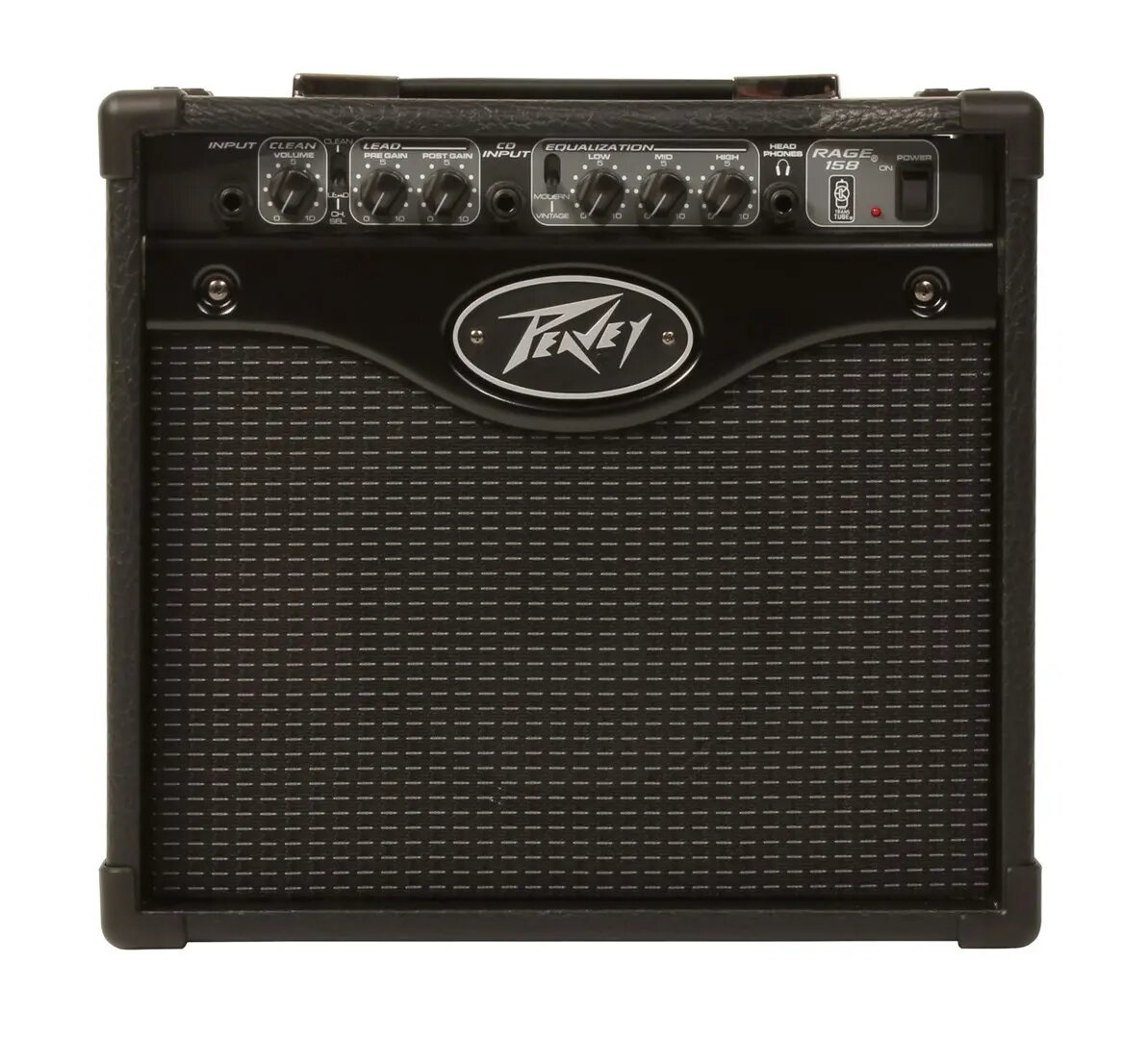
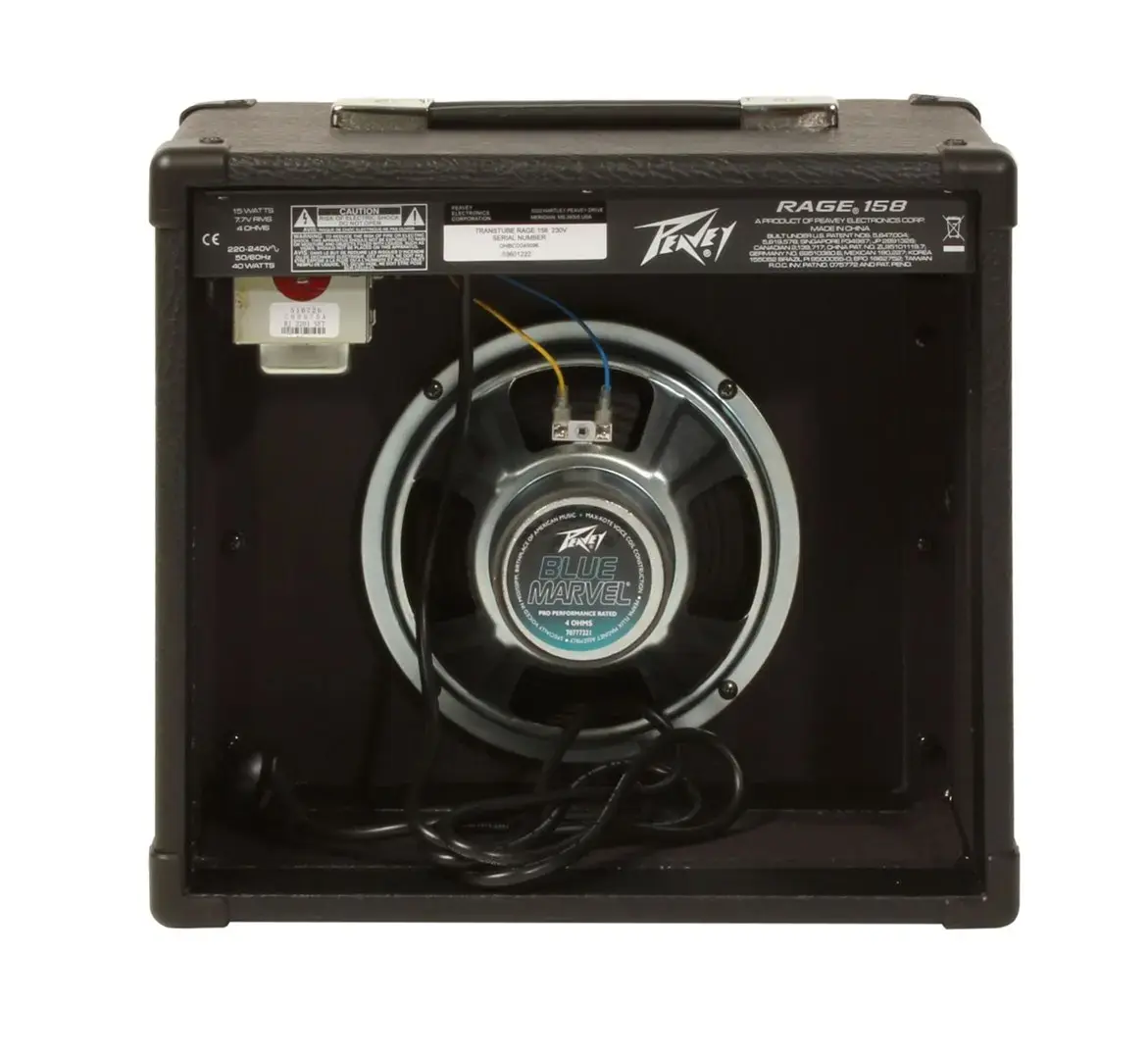
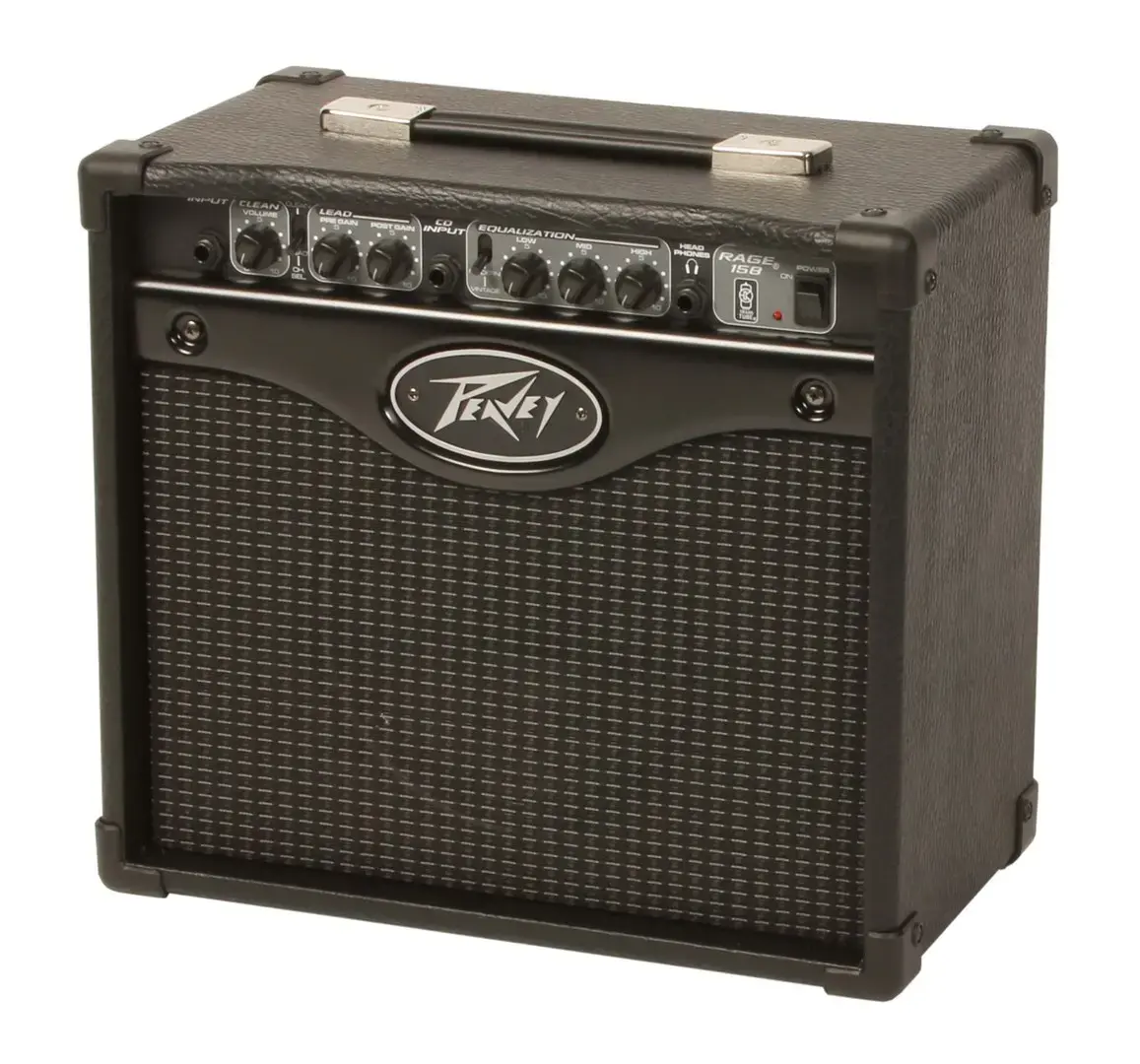
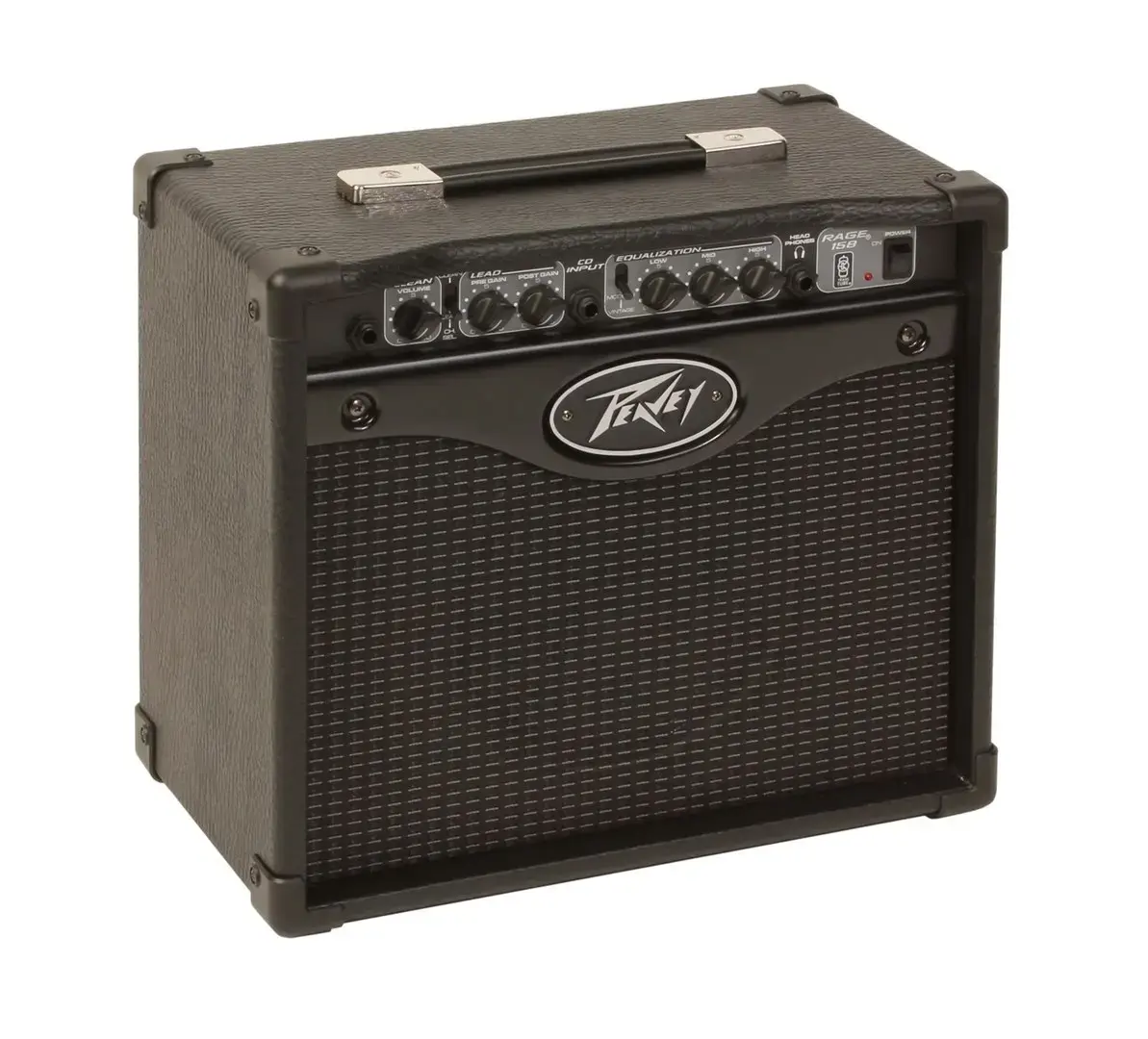
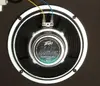
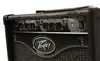
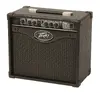
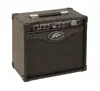
Peavey Rage 158 Guitar Amplifier, 15W, 8-inch Speaker, 2-Channel, Bass, Mid, and Treble Controls
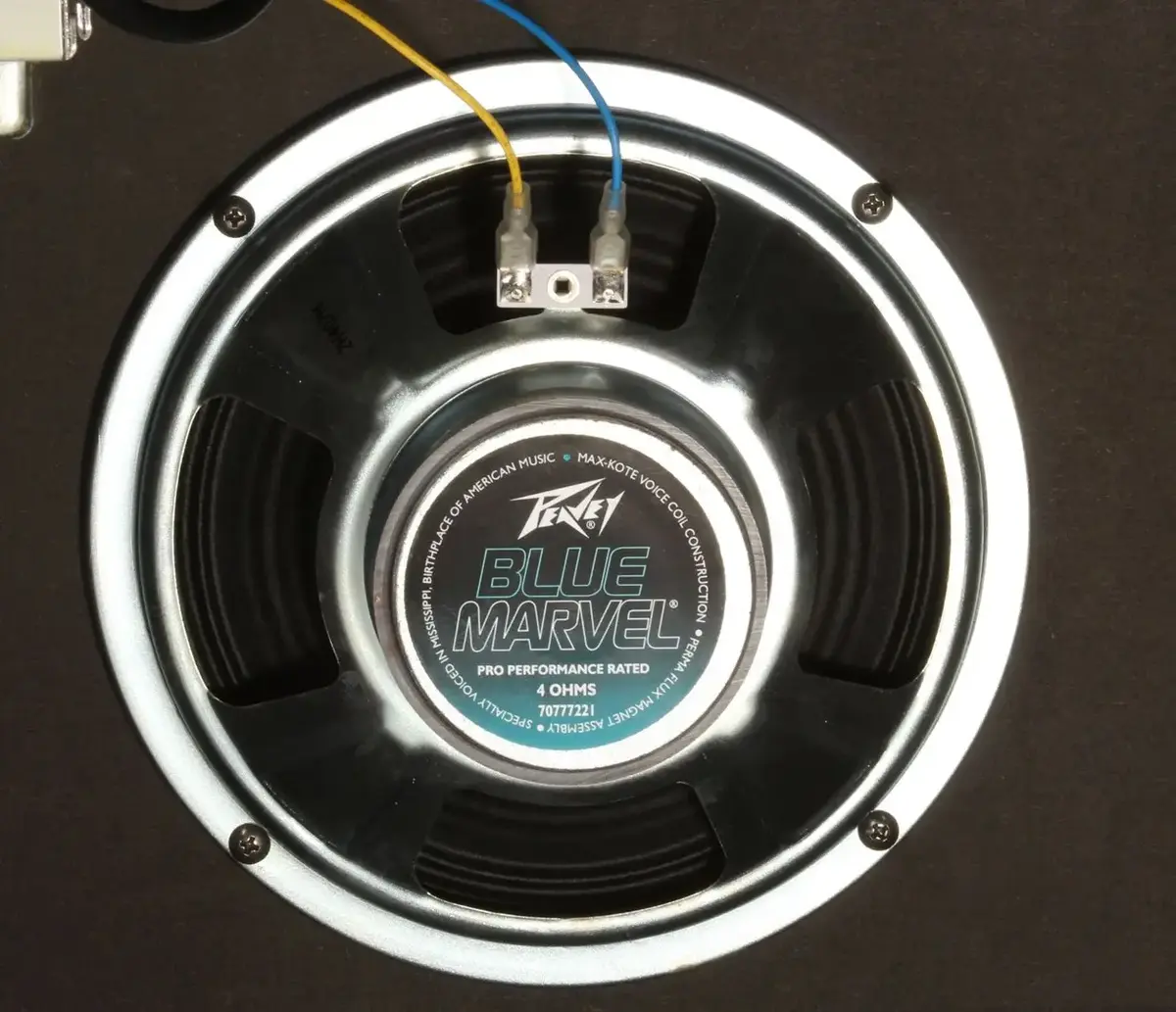
The Peavey Rage 158 is a compact and reliable 15W guitar amplifier designed to deliver high-quality sound for electric guitarists. Featuring a robust 8-inch speaker, this amplifier provides a balanced audio output suitable for home practice sessions and small-scale rehearsals. Its durable black finish and intuitive control layout make it a practical choice for musicians seeking consistent performance in a portable package.
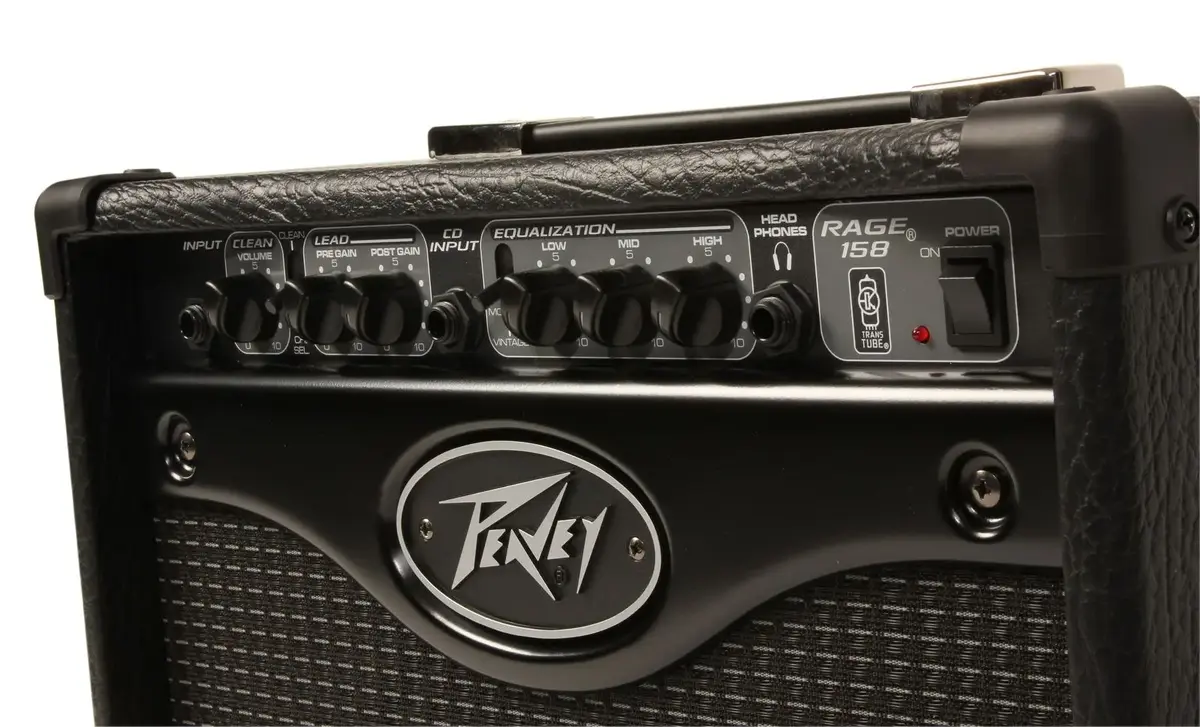
This amplifier stands out due to its versatile 3-band equalizer, which allows players to precisely adjust bass, mid, and treble frequencies to achieve their desired tone. The inclusion of two 6.35mm inputs offers flexibility for different setups, while the dedicated headphone output ensures that users can practice silently without disturbing others. Its compact design and manageable weight make it easy to transport between practice spaces, while the 15W power output provides sufficient volume for personal use.
The Peavey Rage 158 is primarily designed for practice and small environments. It may not be suitable for large live performances, concerts, or venues requiring high sound pressure levels, as its 15W power output is limited.
To begin using the amplifier, connect your electric guitar to one of the 6.35mm inputs using a standard instrument cable. Ensure the volume is turned down before powering on the unit to avoid sudden spikes in sound. Use the dedicated bass, mid, and treble knobs to tailor your tone to your preference. If you wish to practice quietly, plug your headphones into the designated 6.35mm output, which will automatically mute the main speaker.
For the best sound quality, place the amplifier on a stable, elevated surface rather than directly on the floor to improve sound projection. Always turn the volume controls to the minimum position before switching the device on or off to protect the speaker components.
{{highlightedFeature.featureTitle}}:
{{getProductFeatureValueById(product, highlightedFeature.featureId)}}
The Peavey Rage 158 guitar amplifier is compared with two alternative models from the same manufacturer: the Peavey Rage 258 and the Peavey VYPYR X1. All three products belong to the same category of practice amplifiers suited for personal sessions and small rehearsals, but they differ in power output, speaker configuration, and control features.
⚙️ Below is a comparison of characteristics such as output power, speaker setup, sound controls, and technological capabilities.
| Parameter | Peavey Rage 158 | Peavey Rage 258 | Peavey VYPYR X1 | Practical significance |
|---|---|---|---|---|
| Output power | 15W | 25W | 20W | Power dictates volume levels: Rage 258 delivers higher output, while Rage 158 is tailored for controlled practice environments. |
| Speakers | Single 8-inch speaker | Two speakers | Not specified | Speaker design affects sound dispersion and acoustic presence across different setups. |
| Controls and tech | 3-band equalizer | Built-in equalizer | Amp modeling and effects | Rage 158 offers straightforward analog tone shaping, whereas VYPYR X1 focuses on digital versatility. |
◎ The table below evaluates which product is more suitable for specific user needs and use cases.
| Use case | Recommended product | Why |
|---|---|---|
| Quiet home practice | Peavey Rage 158 | The 15W output and dedicated headphone jack make it ideal for practicing at low volumes without disturbing others. |
| Small room rehearsals | Peavey Rage 258 | The higher 25W power rating provides more headroom and presence for small session environments. |
| Sound experimentation | Peavey VYPYR X1 | Advanced modeling technology and onboard effects allow guitarists to explore a wide range of musical styles. |
The Peavey Rage 158 differs from the Peavey Rage 258 by offering lower wattage and a different speaker configuration, and from the Peavey VYPYR X1 by relying on traditional analog controls instead of digital modeling. It is most suitable for guitarists focused on straightforward home practice who prefer a dedicated analog setup. A buyer may prefer it over the alternatives if they want a reliable, compact, and uncomplicated amplifier for everyday use.