
Powerful EcoFlow stations for energy anywhere!
In cart {{totalProductsCount}} item(s)
Your cart is empty
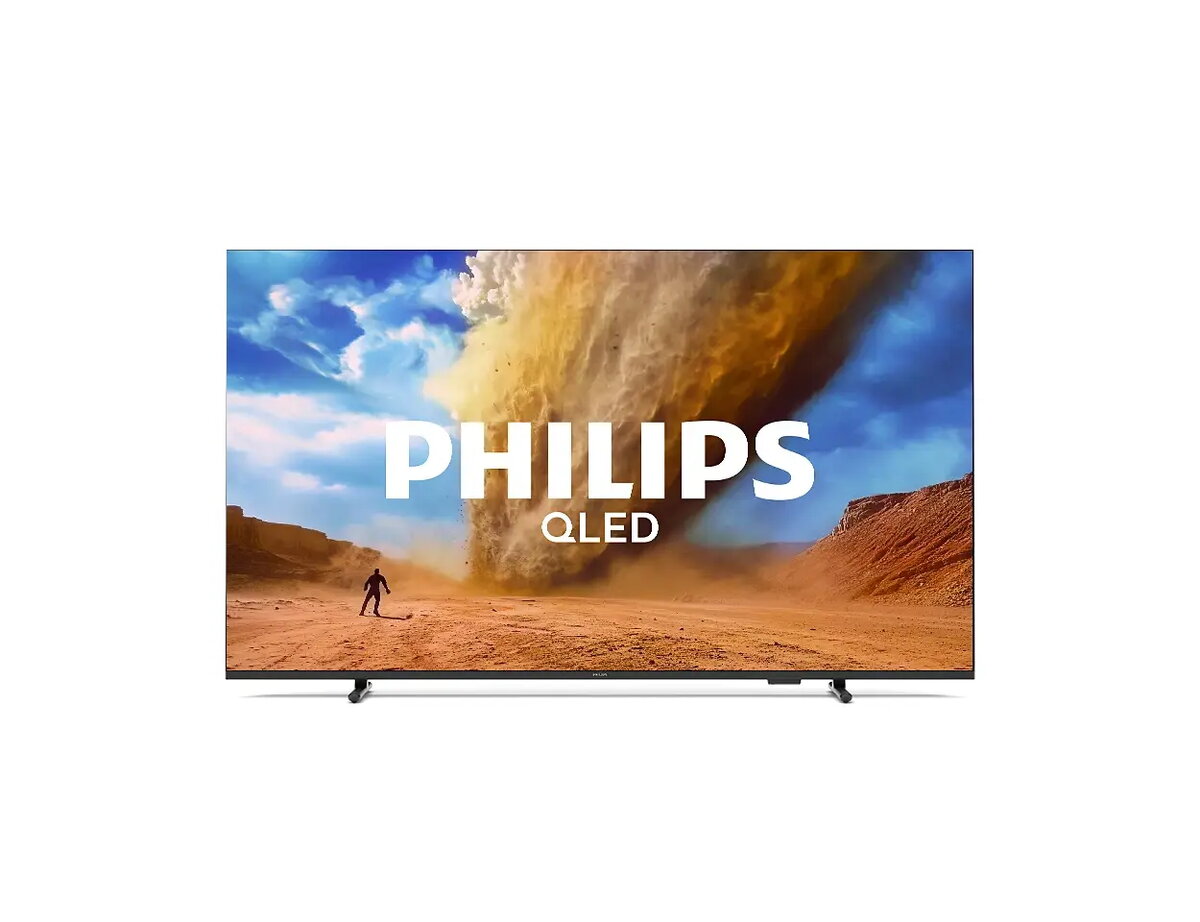
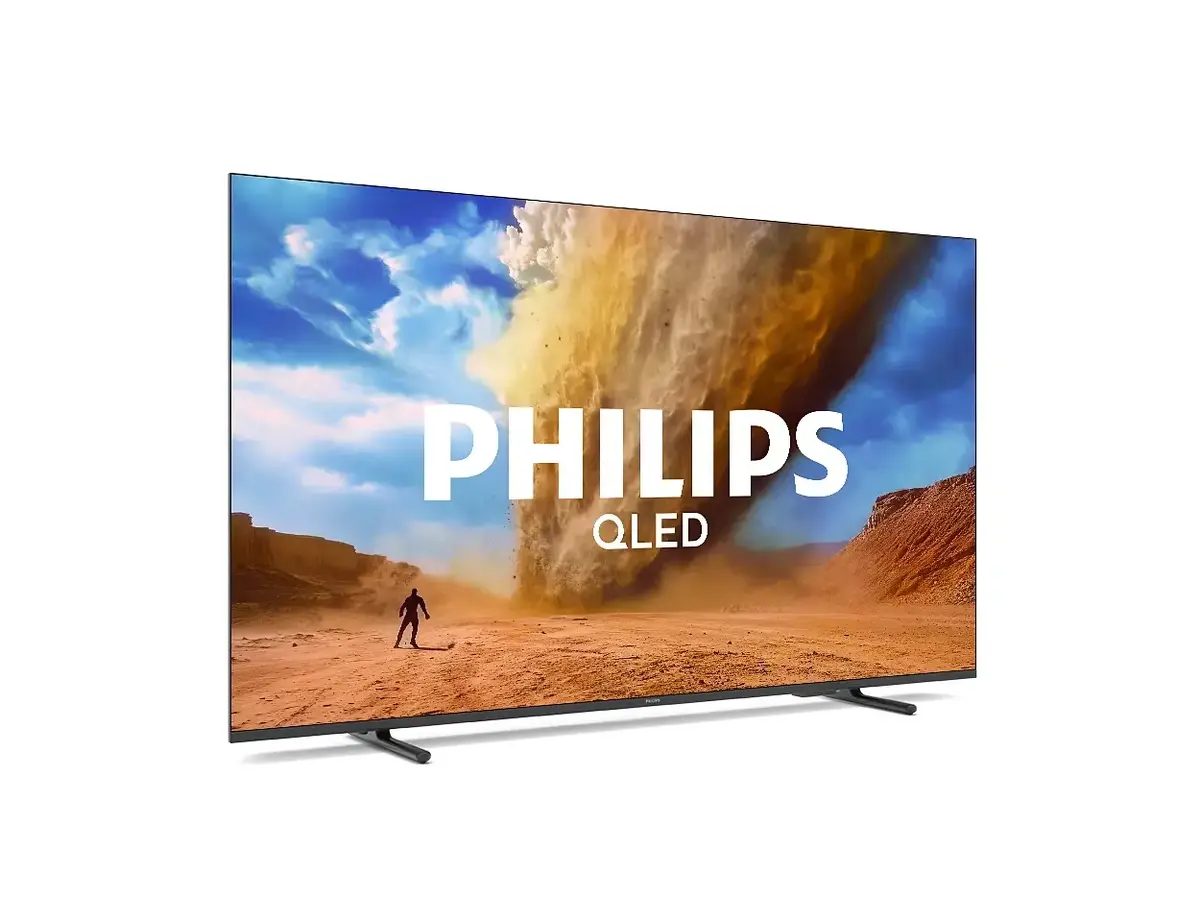
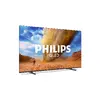
TV Philips 65PUS7800/12 65" 4K Ultra HD QLED 3840 x 2160
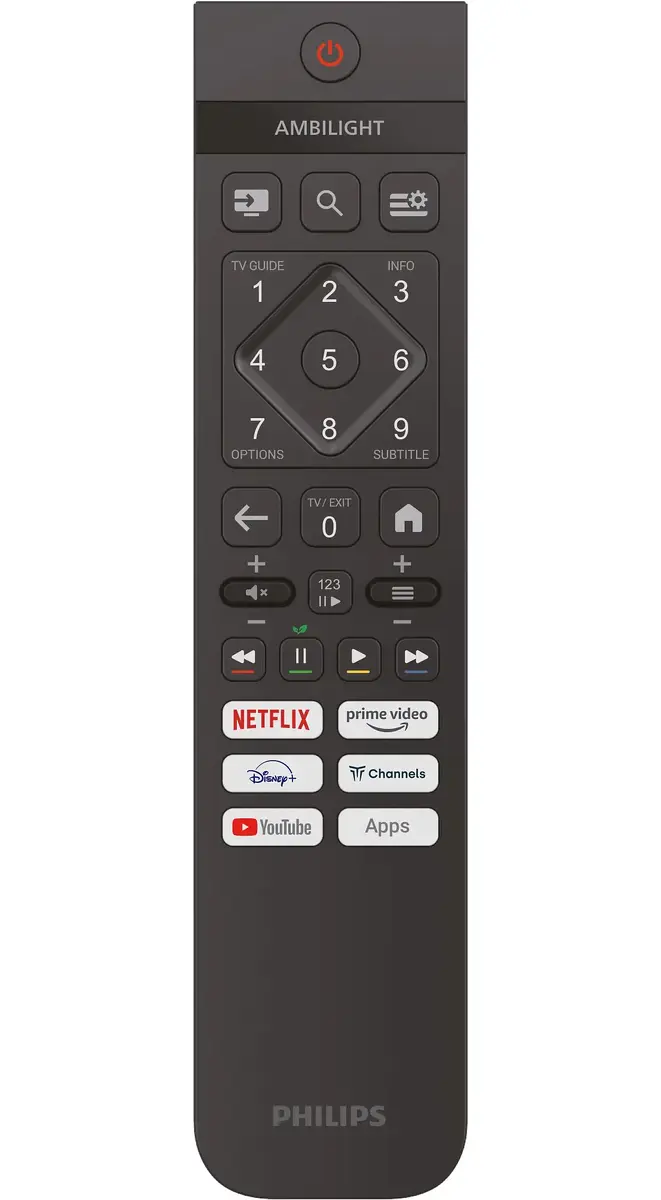
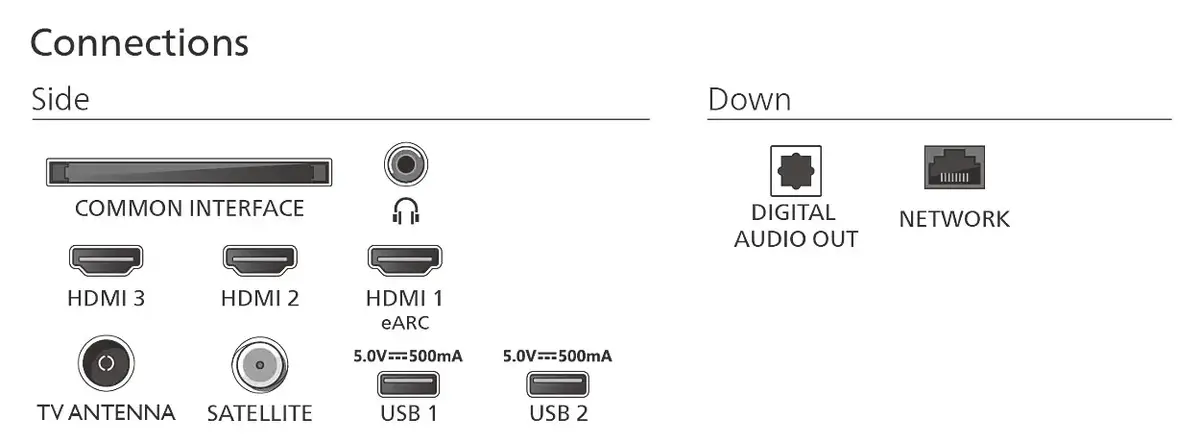
The Philips 65PUS7800/12 is a 65" 4K Ultra HD QLED Smart TV with a 3840 x 2160 resolution and Titan OS. Combining quantum dot colour technology, HDR10+ support and Dolby Atmos/DTS:X audio, the model is designed to deliver vivid colours, high contrast and detailed 4K images. Connectivity includes Wi‑Fi and Ethernet LAN, and the set supports common broadcast standards (DVB‑C/S/S2/T/T2). The TV is available in multiple screen sizes and features a slim European design with an edge stand and recycled materials used for the remote and packaging.
This Philips TV offers quantum dot colour for more vivid and accurate hues, 4K resolution with 8 million pixels for pixel‑precise detail, and HDR10+ for improved frame‑by‑frame contrast. Dolby Atmos and DTS:X provide enhanced immersive sound. Titan OS gives fast access to popular streaming apps, while Matter compatibility enables integration with smart home networks. Additional features include Vocal Boost for clearer dialogue, HDMI 2.1 with VRR for gaming, and an environmentally considered design with recycled remote and FSC‑certified packaging.
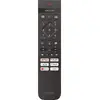
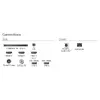
Place the TV on a suitable stand or mount it on a compatible wall bracket following the manufacturer’s instructions. Connect the TV to your network via Wi‑Fi or Ethernet to sign in to streaming services on Titan OS. Use the HDMI 2.1 ports to connect game consoles or external players; the TV will switch to low‑lag mode automatically when a console is detected. Use the remote or voice control (via Matter‑compatible smart home apps and services) to operate the TV and control smart home devices.
For best picture quality, enable HDR10+ content where available and set the TV’s picture mode according to the viewing environment. For gaming, connect via HDMI 2.1 and enable VRR on both console and TV. To improve dialogue clarity in noisy environments, enable Vocal Boost. Integrate the TV with a Matter smart home hub for voice control and automated scenes.
{{highlightedFeature.featureTitle}}:
{{getProductFeatureValueById(product, highlightedFeature.featureId)}}
{{ productComparisonGenerationError }}
Device manufacturer code
Device manufacturer
Power consumption in switched-on state expressed in W.
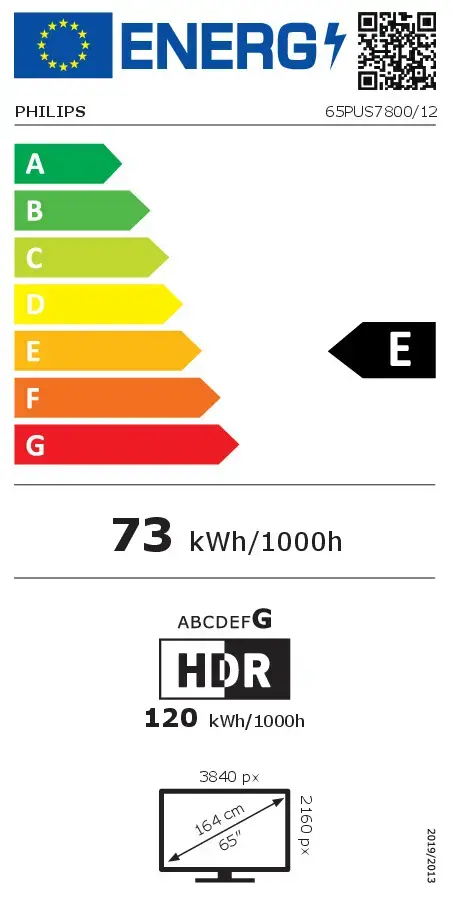
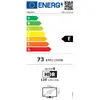
Energy efficiency class is a standard classification that is used all over Europe and which is understandable at first sight. Products can be efficiently compared according to classes, starting from A (the most energy efficient class), and ending with G (the most energy-intensive class). The classification of energy efficiency is based on annual energy consumption which is being calculated on the basis of several different parameters.
In Digital Video Broadcasting, the Common Interface (CI) is a technology which allows separation of conditional access functionality from a digital TV receiver-decoder (Host) into a removable conditional access module (CAM). CI+ or Common Interface Plus implements a form of copy protection between a Conditional Access Module (CAM) and the television receiver (Host). CI+ is backward compatible with CIv1. Old television receivers, which have CIv1 CI-slot, can be used with CI+ CAM and vice versa, but for viewing only those of TV programs which are not marked as CI+ protected.
Technology which allows separation of conditional access functionality from a digital TV receiver-decoder (Host) into a removable conditional access module (CAM). It is also referenced as DVB-CI for Digital Video Broadcast - Common Interface. The host is responsible for tuning to pay TV channels and demodulation of the RF signal, while CAM is responsible for CA descrambling. The Common Interface allows them to communicate with each other.
The socket (port) to receive input from a PC via a D-sub, which is a connector with a characteristic D-shaped metal shield.
An Ethernet LAN (Local Area Network) interface is present, for a wired conection via a cable.
Digital distribution of television content via the Internet. Internet television is a general term that covers the delivery of television shows and other video content over the Internet by video streaming technology, typically by major traditional television broadcasters.
The type of radio tuner e.g. analog, digital.
The number of distinct pixels in each dimension that can be displayed. It is usually quoted as width × height, with the units in pixels: for example, "1024 × 768" means the width is 1024 pixels and the height is 768 pixels. The higher the number of pixels, the sharper the image.
The technology used in the display e.g. plasma, LED.
Size of the display for this product, measured diagonally, usually in inches.
The colour e.g. red, blue, green, black, white.