{{ totalProductsCount }}

In cart {{totalProductsCount}} item(s)

Total:
{{sum | formatAmount}}

Your cart is empty

header-product PNY RTX PRO 2000 Blackwell Graphics Card with 16 GB GDDR7 Memory, NVIDIA GPU, PCI Express 5.0, 128-bit Memory Bus, and Active Cooling

PNY RTX PRO 2000 Blackwell Graphics Card with 16 GB GDDR7 Memory, NVIDIA GPU, PCI Express 5.0, 128-bit Memory Bus, and Active Cooling

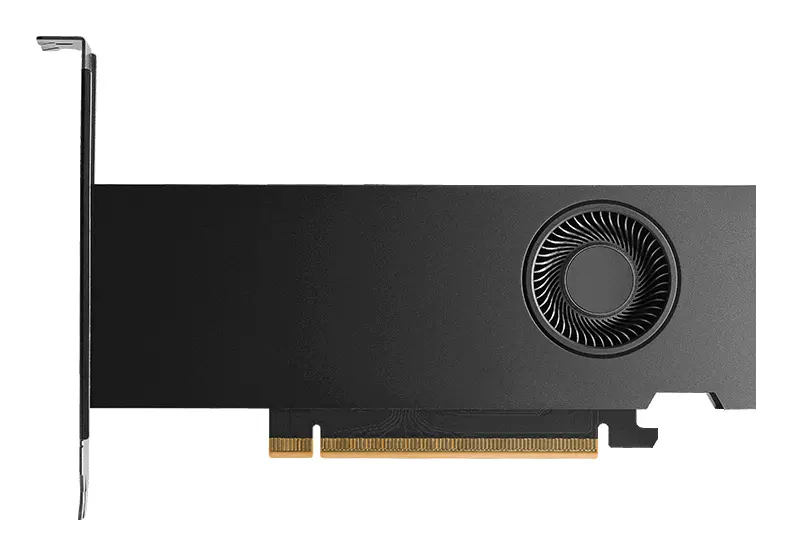
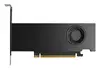
PNY RTX PRO 2000 Blackwell Graphics Card Photo 1
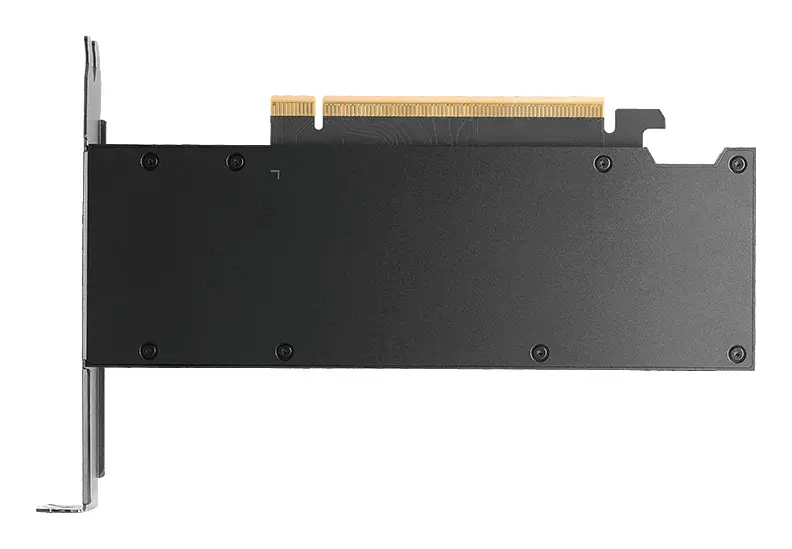
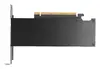
PNY RTX PRO 2000 Blackwell Graphics Card Photo 2
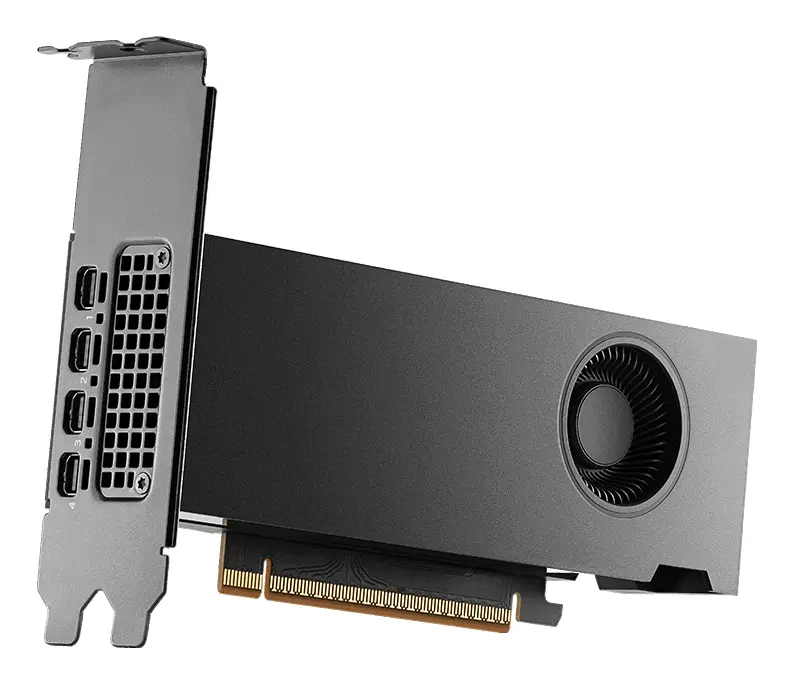
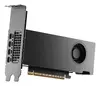
PNY RTX PRO 2000 Blackwell Graphics Card Photo 3
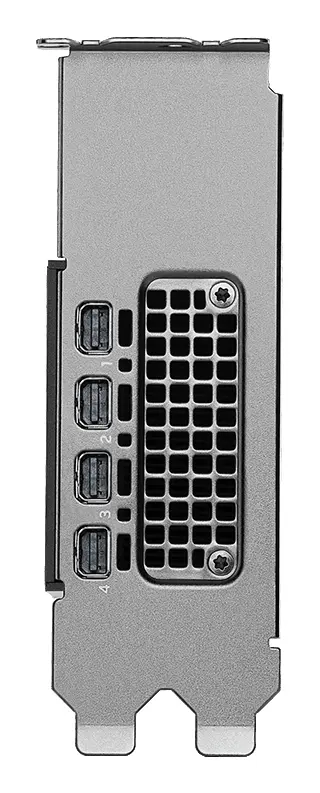
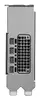
PNY RTX PRO 2000 Blackwell Graphics Card Photo 4
PNY RTX PRO 2000 Blackwell Graphics Card Photo 1
PNY RTX PRO 2000 Blackwell Graphics Card Photo 2
PNY RTX PRO 2000 Blackwell Graphics Card Photo 3
PNY RTX PRO 2000 Blackwell Graphics Card Photo 4
Out of stock.
View similar!

Short description

PNY RTX PRO 2000 Blackwell graphics card powered by the NVIDIA GPU family with 16 GB of high-speed GDDR7 memory and a 128-bit memory bus. Features PCI Express x8 5.0 interface support, active cooling with a single fan, and a maximum resolution of 15360 x 8640 pixels. Designed for demanding professional visual computing tasks, advanced rendering, and high-performance workstation applications. Includes support for DirectX 12.0 and OpenGL 4.6.
Warranty: 3 Years
SKU: 12674294
Manufacturer: PNY Technologies
delivery
Information regarding the items availability for purchase will be posted on this site
price
Item cost information will be published on this site
Together cheaper
{{product.price | formatAmount}}
{{product.title}}
{{productBundle.reference.specialPrice | formatAmount}}
{{productBundle.title}}
{{productBundlePreviousPrice | formatAmount}}
{{productBundleSpecialPrice | formatAmount}}

You saving {{productBundleYouSave | formatAmount}}

Product information

Description

The Pny RTX PRO 2000 Blackwell Graphics Card with 16 GB GDDR7 Memory, NVIDIA GPU, PCI Express 5.0, 128-bit Memory Bus, and Active Cooling is designed to meet the demands of modern professional visual computing. Powered by the NVIDIA GPU family, this workstation graphics card integrates advanced architecture to support complex rendering, high-performance computing, and AI-augmented workflows. Featuring a compact form factor and efficient single-fan active cooling, it provides reliable thermal management under heavy workloads while maintaining stable operation in professional environments.

Advantages

This graphics card delivers exceptional performance through its high-speed 16 GB GDDR7 memory configuration and a 128-bit memory bus, ensuring rapid data transfer for large datasets and complex 3D scenes. The inclusion of the PCI Express x8 5.0 interface offers significantly increased bandwidth compared to previous generations, improving communication speed between the system and the GPU. Additionally, support for DirectX 12.0 and OpenGL 4.6 ensures compatibility with a wide range of professional software applications, while the maximum resolution of 15360 x 8640 pixels allows for ultra-high-definition visual output across advanced display setups.

Suitable for

  • Advanced 3D rendering and visual effects creation
  • Professional CAD and engineering design workloads
  • AI-augmented multi-application workflows and development
  • High-resolution multi-monitor professional workstations

This graphics card may not be suitable for entry-level general office computing or budget-conscious standard desktop systems where high-end professional visual processing is not required. It is also not optimized for users seeking hardware configured for gaming or parallel processing technologies that are not supported by this specific architecture.

Key specifications

  • NVIDIA RTX PRO 2000 graphics processor
  • 16 GB discrete GDDR7 memory capacity
  • 128-bit memory bus width
  • PCI Express x8 5.0 interface type
  • Active cooling system with 1 fan
  • Maximum resolution of 15360 x 8640 pixels
  • DirectX 12.0 and OpenGL 4.6 support
  • CUDA technology integration

Installation requires a compatible system with an available PCI Express 5.0 slot and a power supply capable of supporting workstation-class components. Ensure the computer case has adequate physical clearance for the single-fan active cooling card and that the motherboard BIOS is updated to support modern GPU hardware. Drivers provided by NVIDIA should be installed to enable full functionality and optimal performance within professional software applications.

What to consider before purchase

  • Verify physical space inside your computer chassis
  • Confirm motherboard PCI Express slot compatibility
  • Check power supply unit capacity and connector availability
  • Ensure software application compatibility with NVIDIA RTX PRO architecture

For optimal reliability and performance, ensure your workstation chassis maintains adequate airflow and keep the graphics card drivers regularly updated to the latest certified releases from NVIDIA.

Specifications

Cooling type: The method used to cool the device or to cool the air around the device.
Active
Dual Link DVI: A dual-link DVI interface sends data over both of the DVI links to the monitor, and this is how higher resolutions are achieved. With dual-link DVI, a resolution of 2048 x 1536 is possible.
No
OpenGL version: OpenGL (Open Graphics Library) is a specification defining a cross-language cross-platform API for writing applications that produce 3D computer graphics (and 2D computer graphics as well). The interface consists of over 250 different function calls which can be used to draw complex three-dimensional scenes from simple primitives.
4.6
Shader model version: A shader is a program used in 3D computer graphics to determine the final surface properties of an object or image. This can include arbitrarily complex descriptions of light absorption and diffusion, texture mapping, reflection and refraction, shadowing, surface displacement and post-processing effects. It is also used to refer to video graphics hardware units that run these programs.
6.7
DirectX version: DirectX is a collection of APIs (application programming interfaces) for easily handling tasks related to game programming on the Microsoft Windows operating system.
12.0
TV tuner integrated: Device has an in-built TV tuner.
No
DVI-I ports quantity: This is the amount of DVI-I interfaces. Digital Visual Interface (DVI) is a video display interface developed by the Digital Display Working Group (DDWG). The digital interface is used to connect a video source to a display device, such as a computer monitor. DVI-I is DVI integrated, which means it can support digital and analog.
0
DisplayPorts quantity: Number of DisplayPorts. A DisplayPort is a digital display interface developed by the Video Electronics Standards Association (VESA). The interface is primarily used to connect a video source to a display device such as a computer monitor, though it can also be used to carry audio, USB, and other forms of data.
0
DVI-D ports quantity: This is the amount of DVI-I interfaces. Digital Visual Interface (DVI) is a video display interface developed by the Digital Display Working Group (DDWG). The digital interface is used to connect a video source to a display device, such as a computer monitor. DVI-D means DVI digital, which means it can only support digital, but not analog.
0
HDMI ports quantity: The number of sockets (ports) for HDMI connections. HDMI (High-Definition Multimedia Interface) is a compact audio/video interface for transferring uncompressed video data and compressed/uncompressed digital audio data from a HDMI-compliant device ("the source device") to a compatible computer monitor, video projector, digital television, or digital audio device. HDMI is a digital replacement for existing analog video standards.
0
Interface type:
PCI Express x8 5.0
Memory bus: Hardware and software that connects the main memory to the memory controller in computer systems. Originally, general-purpose buses like VMEbus and the S-100 bus were used, but to reduce latency, modern memory buses are designed to connect directly to DRAM chips, and thus are designed by chip standards bodies such as JEDEC.
128 bit
Graphics card memory type: The type of memory used by the video card. Often a combination of dedicated memory (Video RAM or VRAM) and dynamic system memory is used. UMA stands for Unified Memory Architecture, and is a computer memory architecture that allows the graphics processing unit to share system memory. Other abreviations: RAM = Random Access Memory, SDRAM = synchronous dynamic RAM, DDR = double-data-rate.
GDDR7
Discrete graphics card memory:
16 GB
CUDA: CUDA (aka Compute Unified Device Architecture) is a parallel computing platform and programming model created by NVIDIA and implemented by the graphics processing units (GPUs) that they produce. CUDA gives program developers direct access to the virtual instruction set and memory of the parallel computational elements in CUDA GPUs.
Yes
Maximum resolution: The maximum number of pixels that can be displayed in the image. It is usually quoted as width × height,: for example, "1024 × 768" means the width is 1024 pixels and the height is 768 pixels.
15360 x 8640
Graphics processor: Also known as a graphics processing unit (GPU), this is a specialized electronic circuit designed to rapidly manipulate and alter memory to accelerate the creation of images in a frame buffer intended for output to a display. GPUs are used in embedded systems, mobile phones, personal computers, workstations, and game consoles. Modern GPUs are very efficient at manipulating computer graphics.
RTX PRO 2000
Graphics processor family: The category to which the graphics processor (GPU) belongs e.g. Southern Islands family of Radeon processors (made by AMD), GeForce 600 (made by NVIDIA).
NVIDIA
Parallel processing technology support: Parallel processing technology is the simultaneous use of more than one CPU or processor core to execute a program or multiple computational threads. Ideally, parallel processing makes programs run faster because there are more engines (CPUs or Cores) running it. In practice, it is often difficult to divide a program in such a way that separate CPUs or cores can execute different portions without interfering with each other. Most computers have just one CPU, but some models have several, and multi-core processor chips are becoming the norm. There are even computers with thousands of CPUs.
Not supported
All features

Weight & dimensions

Height: The measurement of the product from head to foot or from base to top.
68.6 mm
Length: The measurement or extent of something from end to end.
167.6 mm

Power

Power consumption (max): The maximum amount of power used by the device.
70 W

Design

Product colour: The colour e.g. red, blue, green, black, white.
Black
Number of slots:
2
Number of fans: The quantity of fans (apparatus with rotating blades that creates a current of air for cooling or ventilation).
1 fan(s)
Cooling type: The method used to cool the device or to cool the air around the device.
Active

Performance

NPU performance up to:
545 TOPs
Dual Link DVI: A dual-link DVI interface sends data over both of the DVI links to the monitor, and this is how higher resolutions are achieved. With dual-link DVI, a resolution of 2048 x 1536 is possible.
No
OpenCL version:
3.0
OpenGL version: OpenGL (Open Graphics Library) is a specification defining a cross-language cross-platform API for writing applications that produce 3D computer graphics (and 2D computer graphics as well). The interface consists of over 250 different function calls which can be used to draw complex three-dimensional scenes from simple primitives.
4.6
Shader model version: A shader is a program used in 3D computer graphics to determine the final surface properties of an object or image. This can include arbitrarily complex descriptions of light absorption and diffusion, texture mapping, reflection and refraction, shadowing, surface displacement and post-processing effects. It is also used to refer to video graphics hardware units that run these programs.
6.7
DirectX version: DirectX is a collection of APIs (application programming interfaces) for easily handling tasks related to game programming on the Microsoft Windows operating system.
12.0
TV tuner integrated: Device has an in-built TV tuner.
No

Ports & interfaces

Mini DisplayPorts quantity:
4
DisplayPort version:
2.1b
DVI-I ports quantity: This is the amount of DVI-I interfaces. Digital Visual Interface (DVI) is a video display interface developed by the Digital Display Working Group (DDWG). The digital interface is used to connect a video source to a display device, such as a computer monitor. DVI-I is DVI integrated, which means it can support digital and analog.
0
DVI-D ports quantity: This is the amount of DVI-I interfaces. Digital Visual Interface (DVI) is a video display interface developed by the Digital Display Working Group (DDWG). The digital interface is used to connect a video source to a display device, such as a computer monitor. DVI-D means DVI digital, which means it can only support digital, but not analog.
0
DisplayPorts quantity: Number of DisplayPorts. A DisplayPort is a digital display interface developed by the Video Electronics Standards Association (VESA). The interface is primarily used to connect a video source to a display device such as a computer monitor, though it can also be used to carry audio, USB, and other forms of data.
0
HDMI ports quantity: The number of sockets (ports) for HDMI connections. HDMI (High-Definition Multimedia Interface) is a compact audio/video interface for transferring uncompressed video data and compressed/uncompressed digital audio data from a HDMI-compliant device ("the source device") to a compatible computer monitor, video projector, digital television, or digital audio device. HDMI is a digital replacement for existing analog video standards.
0
Interface type:
PCI Express x8 5.0

Memory

Memory bandwidth (max):
288 GB/s
Memory bus: Hardware and software that connects the main memory to the memory controller in computer systems. Originally, general-purpose buses like VMEbus and the S-100 bus were used, but to reduce latency, modern memory buses are designed to connect directly to DRAM chips, and thus are designed by chip standards bodies such as JEDEC.
128 bit
Graphics card memory type: The type of memory used by the video card. Often a combination of dedicated memory (Video RAM or VRAM) and dynamic system memory is used. UMA stands for Unified Memory Architecture, and is a computer memory architecture that allows the graphics processing unit to share system memory. Other abreviations: RAM = Random Access Memory, SDRAM = synchronous dynamic RAM, DDR = double-data-rate.
GDDR7
Discrete graphics card memory:
16 GB

Processor

Parallel processing technology support: Parallel processing technology is the simultaneous use of more than one CPU or processor core to execute a program or multiple computational threads. Ideally, parallel processing makes programs run faster because there are more engines (CPUs or Cores) running it. In practice, it is often difficult to divide a program in such a way that separate CPUs or cores can execute different portions without interfering with each other. Most computers have just one CPU, but some models have several, and multi-core processor chips are becoming the norm. There are even computers with thousands of CPUs.
Not supported
Maximum displays per videocard:
4
CUDA cores:
4352
CUDA: CUDA (aka Compute Unified Device Architecture) is a parallel computing platform and programming model created by NVIDIA and implemented by the graphics processing units (GPUs) that they produce. CUDA gives program developers direct access to the virtual instruction set and memory of the parallel computational elements in CUDA GPUs.
Yes
Maximum resolution: The maximum number of pixels that can be displayed in the image. It is usually quoted as width × height,: for example, "1024 × 768" means the width is 1024 pixels and the height is 768 pixels.
15360 x 8640
Graphics processor: Also known as a graphics processing unit (GPU), this is a specialized electronic circuit designed to rapidly manipulate and alter memory to accelerate the creation of images in a frame buffer intended for output to a display. GPUs are used in embedded systems, mobile phones, personal computers, workstations, and game consoles. Modern GPUs are very efficient at manipulating computer graphics.
RTX PRO 2000
Graphics processor family: The category to which the graphics processor (GPU) belongs e.g. Southern Islands family of Radeon processors (made by AMD), GeForce 600 (made by NVIDIA).
NVIDIA

Description

Machine translation. Load original

Similar products

{{product.title}}
Show details Hide details

{{highlightedFeature.featureTitle}}:

{{getProductFeatureValueById(product, highlightedFeature.featureId)}}

{{product.price | formatAmount}}
Might be useful
{{product.manufacturerName}}
{{product.categoryName}}
{{product.title}}
{{product.specialPrice}}
{{product.price}}

Customer reviews

Customer questions

FAQ

What payment options are available?

AiO.lv offers several payment methods: Bank transfer, Leasing for legal entities. All transactions are 100% secure and encrypted.

Can this product be purchased for a company (with VAT)?

Yes. AiO.lv works with legal entities in Latvia and across Europe. The product price already includes VAT. For certain product categories, as well as for companies from other EU countries with a valid VAT number, a 0% VAT rate may apply. We issue the invoice immediately after the order is placed, support electronic BIS invoices, and automatically generate all necessary accounting documents. You can complete the purchase for a company online — simply select the company profile and choose bank transfer as the payment method during checkout.

What is the warranty period?

All PNY Technologies products come with an official 2 Years warranty. It covers all manufacturing defects and malfunctions that may occur during use. The warranty is valid at all authorized PNY Technologies service centers and through AiO.lv

Can the product be returned after purchase?

Yes, you can return the product within 14 days of purchase if you bought it as a consumer (not a legal entity). Returns are possible without giving any reason — the main condition is that the product retains its original appearance and full set of accessories. We will make the process as simple and convenient as possible: just contact our customer support team, and we will help you arrange the return.

Where should I contact for warranty service?

For warranty-related questions you can contact the AiO.lv (SIA VSPRO) customer support team. We will assist with consultation, warranty claim processing, and coordination with certified service centers.

How can I tell if this product suits my needs?

When making a choice, we recommend paying attention to the key features: cooling type, dual link dvi, opengl version, shader model version, directx version, tv tuner integrated, dvi-i ports quantity, displayports quantity, dvi-d ports quantity, hdmi ports quantity, interface type, memory bus, graphics card memory type, discrete graphics card memory, cuda, maximum resolution, graphics processor, graphics processor family, parallel processing technology support, compatibility with your devices or usage conditions, material quality, functionality, and warranty terms. These characteristics will help you determine how well the model meets your needs.
warranty
14-Day Return Policy We are confident in our quality, but if the purchase doesn’t fit — you have 14 days to return the product with peace of mind.
shipping
Fast Delivery Get your orders as quickly as possible — right to your door, parcel lockers, or pickup points across Latvia and the EU.
payment
Secure Payment Pay the way you prefer: cash, VISA, MasterCard, Apple Pay, Google Pay, bank transfer, or 0% installment plan.
warranty
Quality Since 2008 AiO.lv has been on the market for over 18 years and has earned trust — with more than 6000 genuine positive reviews on Google.