
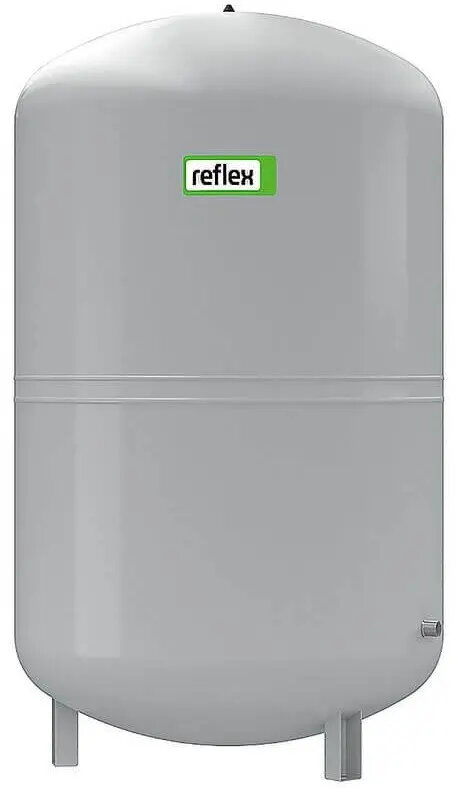
Expansion vessel Reflex NG 8 diaphragmatic 6 bar / 120°C – model 7230107
34.49 €
Keep track of price changes
You keep track of price changes
Watch the price drop
Leave your address - as soon as the price of the product goes down, you'll know about it right away
You keep track of price changes
Expansion vessel Reflex NG 8 diaphragmatic 6 bar / 120°C – model 7230107
{{email}}
You keep track of price changes
Expansion vessel Reflex NG 8 diaphragmatic 6 bar / 120°C – model 7230107
{{email}}
{{selectedOffer && selectedOffer.price | formatAmount}}
Short description
Reflex NG 8 is a diaphragmatic expansion vessel designed for central heating systems. Rated for 6 bar maximum pressure and up to 120°C temperature, it compensates thermal expansion of heating fluid, protects the system from overpressure and reduces water loss. Suitable for residential and light commercial boiler installations requiring a compact, diaphragm-type expansion vessel.
Deliver the order:
to the Customer Service Center at Kengaraga 2b, Riga
30.06.2026
{{selectedOffer.officeDeliveryString}}
free
Customer service center
2b. Kengaraga str., Riga, Latvia, LV-1063
30.06.2026
{{selectedOffer.officeDeliveryString}}
free
Courier Delivery
Please note that in case of a large parcel additional delivery costs may apply!
From 4.99 €
Parcel couriers
Latvijas Pasts pakomāts / Unisend / DPD Paku skapis / Omniva / Venipak Pickup / Venipak Locker / Latvijas Pasts nodaļa
03.07.2026
{{selectedOffer.parcelStationDeliveryString}}
From 1.99 €

Payment Methods:
Bank transfer, Bank cards on-line, Apple Pay, Google Pay


